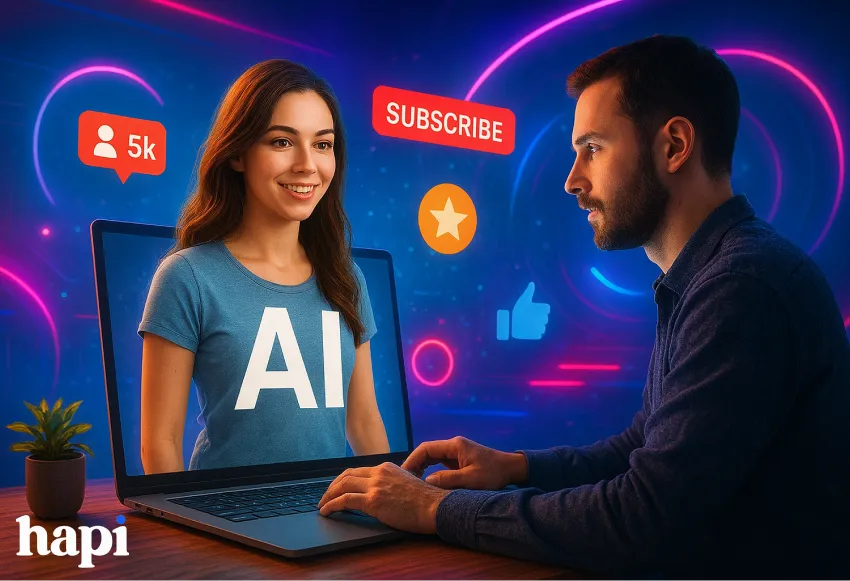
We are in the age of AI and it’s no surprise that AI influencers are becoming more popular every day.
Virtual personalities that pop up on Instagram, TikTok, and other social platforms that look incredibly human-like but are made with computer technology.
AI influencer generators offer a better alternative to traditional influencer marketing which has its own set of problems; let’s just say you don’t have to worry about scandals if your influencer is AI generated, more on this later.
The benefits are aplenty and we are gonna dive deep into the pros and cons of hiring or making an AI influencer for your business in this article.
This article will show you the best AI influencer generators available today. You’ll learn how to choose the right platform for your brand. We’ll cover costs, features, and real results from businesses using AI influencers. By the end, you’ll know exactly how to start your AI influencer strategy.
Understanding AI Influencers
The technology behind AI influencers uses advanced graphics and artificial intelligence. Creators use special software to design their appearance. They give them personalities, voices, and backstories. The most advanced AI influencers look so real that many people can’t tell the difference.
AI influencers have evolved quickly. Early versions looked like basic cartoon characters. Today’s AI influencers appear photorealistic. They have detailed facial expressions and natural movements. Some can even have conversations with followers using chatbot technology.
The influencer marketing industry is worth over $16 billion according to recent studies. But traditional influencer marketing has challenges. Human influencers might not always represent your brand well. They can be expensive and difficult to manage. Some create content that doesn’t match your values.
The benefits of AI influencers are significant:
- Available 24/7 for customer interactions.
- You have complete creative control
- Lower long-term costs
- Eliminate risks from hurtful human behavior
- Better scalability
Creating AI influencers is legal in most places. But you need to follow disclosure rules. The Federal Trade Commission requires clear labeling when content is AI-generated. Different countries have varying regulations about virtual personalities. Always check local laws before launching your AI influencer campaign.
Creating Your AI Influencer: Step-by-Step Guide
- Plan your AI influencer’s goal. What do you want them to do for your brand? Are they selling products? building awareness? or providing customer service?
- Develop your AI influencer’s personality. Create a detailed backstory that feels authentic. Decide on their interests and communication style.
- Consider your AI influencer’s appearance. Think about age, gender, ethnicity, and style that matches your audience.
- Choose how to create one. You can use specialized AI influencer platforms, agencies or general 3D modeling software.
- Choose the model. 2D characters are simpler and cheaper to create and work well for animated content and stylized brands. 3D characters look more realistic but require more resources and can appear in various settings and poses more easily.
- Consider your timeline and budget. Simple AI influencers can be ready in weeks. Complex, highly realistic characters might take months to develop. Factor in time for testing and refinement before launch.
- Content strategy. Decide what types of posts your AI influencer will create. Will they do product reviews, lifestyle content, or educational posts? Create a content calendar that matches your marketing goals.
- Establish guidelines for your AI influencer’s voice and tone. Write down how they speak and what language they use. Create rules about topics they will and won’t discuss to ensure consistency across all content.
Top AI Influencer Generator Platforms: Comprehensive Review
Several platforms make creating AI influencers easier. Each has different features, costs, and capabilities. Here’s a detailed look at the best options available today.
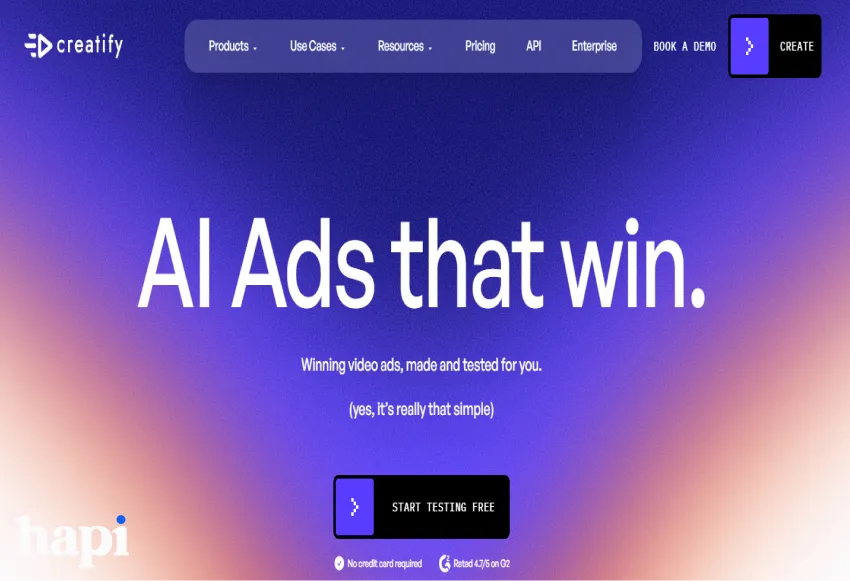
Creatify AI Influencer Generator is all about convenience-focused AI character creation. The site offers templates to which you can alter appearance, personality, and content style. Plans start at a bit less than $50 a month for basic features.
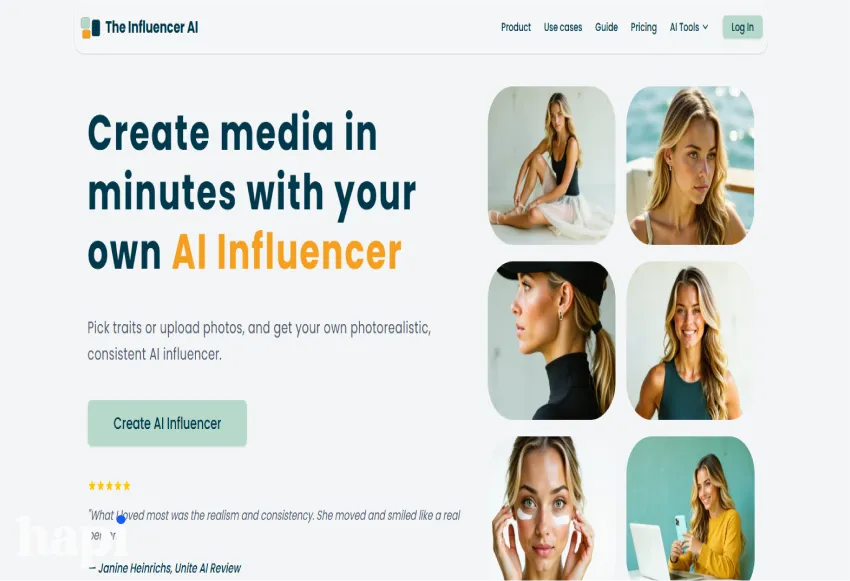
The Influencer.ai has additional advanced features for professional marketers. The app includes analytics and social media support. You can track engagement and monitor ROI in the dashboard. Pricing varies based on the features but is typically $200-500 per month.
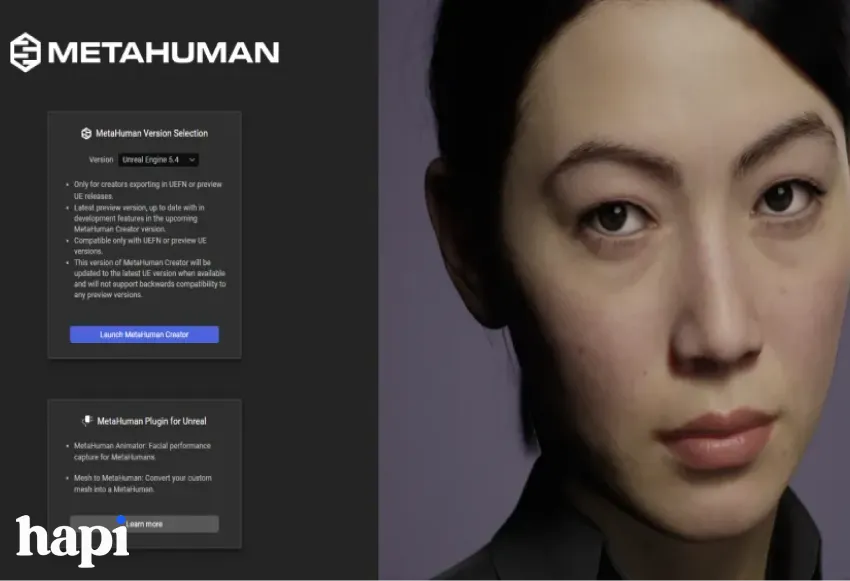
MetaHuman Creator by Epic Games creates highly realistic virtual humans. The characters are virtually indistinguishable from real people. MetaHuman Creator is a free application that is accompanied by technical 3D modeling and animation skills. You will require other software in order to animate characters.
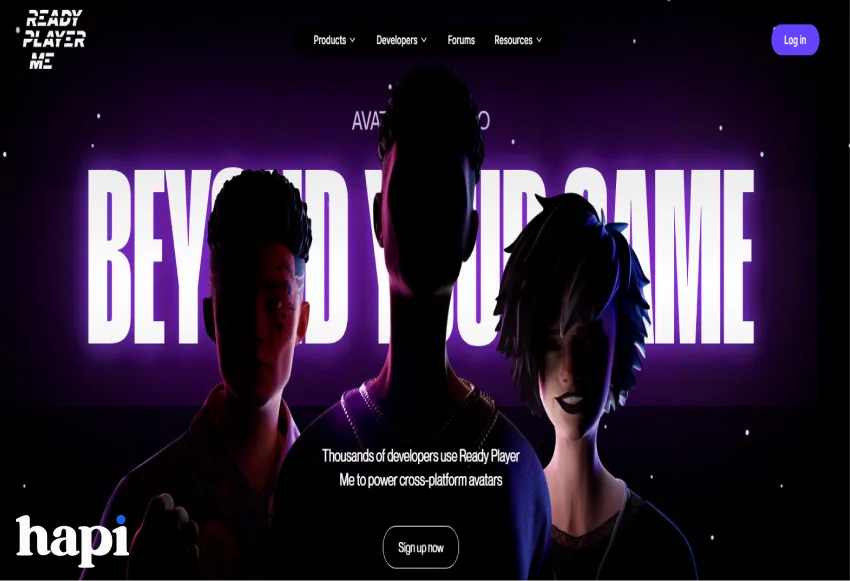
Ready Player Me supports cross-platform avatar creation. Your AI influencer works across different virtual worlds and platforms. The basic service is free with the option to upgrade for payment. This platform suits brands seeking to enter virtual reality or gaming.
For low-budget brands, there are several cheap and free alternatives. Open-source software like Blender can render AI influencers capable enough. Some platforms provide freemium models and free trials. These require more effort but keep the cost for start-ups minimal.
Monetization and ROI of AI Influencers
AI influencers are generating real revenue for their creators. Top AI personalities like Lil Miquela reportedly earn six figures annually from brand partnerships. They promote products, attend virtual events, and create sponsored content just like human influencers.
Revenue streams for AI influencers include sponsored posts, product placements, and brand ambassadorships. Some create their own products or merchandise. Others charge for virtual appearances or custom content creation. The most successful AI influencers diversify their income sources.
Comparing earnings with human influencers shows interesting patterns. AI influencers don’t command the highest rates initially. But their costs are lower since you don’t pay them directly. Over time, the profit margins are often better than working with human influencers.
The return on investment calculation includes creation costs, platform fees, and content production. Compare this to influencer payments, agency fees, and campaign management costs. Many brands find AI influencers more profitable within 6-12 months.
Key metrics for measuring success include engagement rates, follower growth, and conversion tracking. Monitor click-through rates on sponsored content and actual sales generated. Track brand awareness and sentiment changes among your target audience.
Long-term value comes from owning your AI influencer completely. You build their following and reputation over time. Unlike human partnerships that can end, your AI influencer stays with your brand forever. This creates compound value as their audience grows.
Scaling AI influencer businesses is easier than traditional influencer marketing. You can create multiple characters for different market segments. Each AI influencer can operate simultaneously without conflicts. This allows faster expansion into new markets and demographics.
Selecting the Right AI Influencer Generator for Your Brand
Start by deciding your specific business goals. Do you want to increase brand awareness? Drive sales? or improve customer engagement?
Here’s a decision-making checklist to guide your choice:
• Budget alignment with platform costs
• Technical requirements matching team skills
• Content creation capabilities for your industry
• Integration with existing marketing tools
• Customer support and training resources
• Platform stability and company reputation
• Legal compliance and disclosure features
• Analytics and performance tracking tools
Implementation and Management Best Practices
Create an origin story
- Launch your AI influencer with a compelling introduction
- Highlight personality and interests
- Avoid immediate product selling and promotion
Grow your audience
- Cross-promote
- Collaborate
- Use hashtags and engage with potential followers
Streamline content creation
- Plan posts with content calendars
- Create templates to maintain consistency
- Save time by batch content production
Maintain a consistent personality
- Train all team members to follow your personality guidelines
- Conduct regular audits
Offer real Engagement to the followers
- Respond to comments and messages promptly
- Ask questions to start discussions and share user-generated content
- Build real connections
Be transparent
- Disclose the AI nature in bios and posts
- Follow legal requirements
Monitor and optimize performance
- Track engagement, follower growth, and conversions
- Compare results with goals and adjust strategy
- Use analytics to learn what content works best
Legal and Ethical Considerations
Legal requirements are different for every platform and location. Easy identification of AI-generated content is required by the Federal Trade Commission. Use hashtags like #AIInfluencer or #VirtualPersonality in content. Put disclosure information in bio sections clearly.
Social media sites have different policies about AI content. Review terms of service before campaign activation. Certain sites require special designation for synthetic media. Stay updated since policies change frequently.
Protect your AI influencer as intellectual property. Trademark their name and likeness where possible. Include IP protections in agreements with creation platforms or agencies. Document the creation process and ownership clearly.
Consider copyright for AI-generated content. Understand who retains rights to posts, images, and videos your AI influencer creates. Some platforms maintain some rights to content created with their tools.
Integrate ethical principles into your AI influencer marketing. Avoid misleading representations about products or services. Never inappropriately target vulnerable populations. Be respectful of different cultures in designing characters and content.
Conclusion
AI influencer generators provide:
- Cost-effective
- Controlled
- Scalable marketing solutions.
Choose platforms that align with your goals, start with clear objectives and focus on building authentic connections with your audience to make up for using artificial personalities.
Success requires for the brands to be authentic, provide value and focus on audience needs. Keep these in mind and you can start your AI influencer journey today.