Have you ever spent an hour searching Instagram for the perfect influencer, only to realize you still need to check TikTok, YouTube, LinkedIn, and X? I’ve been there, and it’s frustrating. What starts as a quick search can easily turn into an afternoon of opening tabs, comparing profiles, and wondering if you’ve missed someone even better.
The good news is that finding influencers doesn’t have to be that hard anymore.
Today’s social sites search engines make it possible to search across multiple platforms, filter creators by niche, location, engagement, audience, and much more—all from one place. Instead of guessing who might be a good fit, you can make smarter decisions using real data.
In this guide, you’ll learn what a social sites search engine is, how it works, what features matter most, and how to choose the right influencer discovery platform for your marketing goals. I’ll also share practical tips I’ve picked up while researching creators for campaigns, along with common mistakes to avoid.
Whether you’re a small business, marketing agency, or global brand, this guide will help you find better creators faster and build stronger influencer partnerships.
What Is a Social Sites Search Engine?
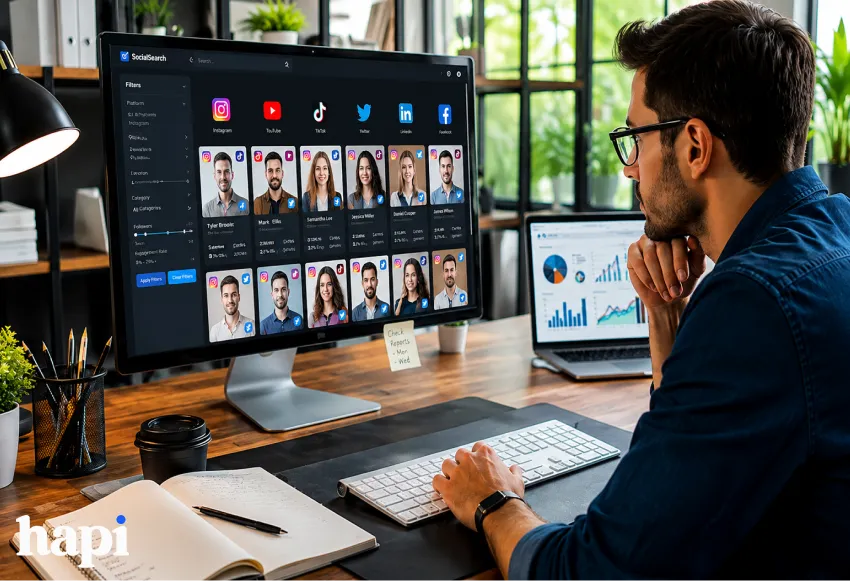
A social sites search engine is a tool that helps you search social media profiles across one or more platforms using filters like keywords, hashtags, audience demographics, location, engagement rate, and niche. Many brands use these tools to discover influencers, creators, and industry experts more quickly than searching each platform manually.
Think of it as Google—but designed specifically for social media.
Instead of typing a keyword into a search bar and getting websites, you get creator profiles that match exactly what you’re looking for.
For example, imagine you’re launching a new fitness app. Instead of searching “fitness” on Instagram, then repeating the process on TikTok and YouTube, you can search once and discover creators from multiple platforms in minutes.
When I first started researching creators, I relied on hashtags alone. I’d search terms like #travelblogger or #foodcreator and scroll endlessly through results. It worked, but it wasn’t efficient. Once I started using influencer discovery tools, I realized how much easier it was to filter creators by audience size, engagement, country, and even brand collaborations.
That alone saved hours every week.
What Can You Search For?
Most modern social media search engines let you search by:
- Keywords
- Hashtags
- Creator bios
- Industries
- Topics
- Audience interests
- Location
- Language
- Follower count
- Engagement rate
- Brand mentions
- Platform
- Content category
The more filters available, the easier it becomes to narrow thousands of creators into a shortlist that actually fits your campaign.
Why Brands Use Social Search Engines for Influencer Marketing

If you’ve ever managed an influencer campaign, you know that finding the right creator is often the hardest part.
It’s not just about finding someone popular. It’s about finding someone whose audience trusts them, engages with their content, and matches your ideal customer.
That’s why more brands now use influencer search engines instead of relying only on native social media search.
Manual influencer research is slow. Social search platforms make discovery scalable.
Let’s say you’re promoting eco-friendly skincare products.
Searching Instagram alone might uncover a few beauty creators, but you’ll miss TikTok skincare experts, YouTube reviewers, Pinterest creators, and LinkedIn voices discussing sustainable business.
A social search engine brings these opportunities together in one place.
Why Brands Love These Tools
- They save hours of manual research.
- They help find creators across multiple platforms.
- They improve audience targeting.
- They reduce the risk of fake followers.
- They make influencer campaigns easier to manage.
- They help compare creators side by side.
I once helped build a list of creators for a software campaign. At first, we looked only on LinkedIn because it seemed like the obvious choice.
Out of curiosity, we searched YouTube as well.
We ended up finding several creators producing detailed software tutorials with highly engaged audiences. Those creators weren’t on our original shortlist, yet they became some of the strongest candidates because their viewers were actively looking for product recommendations.
That experience reminded me not to limit searches to one platform.
How Social Media Search Engines Work
At first, these platforms can seem almost magical.
Type in a few keywords, add a couple of filters, and suddenly hundreds of creator profiles appear.
But the process is actually much simpler than it looks.
Step 1: Collecting Public Creator Data
Most influencer discovery platforms gather publicly available information from social media profiles.
This can include:
- Profile descriptions
- Hashtags
- Public posts
- Audience size
- Engagement rates
- Posting frequency
- Content topics
Instead of searching these platforms yourself, the search engine organizes everything into one searchable database.
Step 2: Organizing the Information
Next, the platform categorizes creators based on different attributes.
For example:
- Travel
- Beauty
- Finance
- Gaming
- Technology
- Fashion
- Food
- Fitness
Many tools also organize creators by:
- Country
- City
- Language
- Audience demographics
- Average views
- Engagement rate
- Follower range
This makes narrowing your search much easier.
Step 3: AI Finds Better Matches
Modern creator search tools do more than match keywords.
Many now use artificial intelligence to understand the meaning behind your search.
For example, if you search for healthy recipes, the platform may also recommend creators who post about:
- Meal prep
- Nutrition
- Fitness meals
- High-protein cooking
- Wellness
Even if those exact words don’t appear in your search, AI recognizes the connection.
That’s a huge improvement over basic keyword searches.
Step 4: Comparing Creators
Once you’ve built a shortlist, you can compare creators based on useful metrics like:
- Audience size
- Engagement rate
- Average video views
- Content niche
- Audience location
- Previous brand partnerships
Instead of opening twenty browser tabs, everything is displayed in one dashboard.
That saves time and makes decision-making much easier.
Best Social Sites Search Engines & Influencer Discovery Platforms
By now, you know what a social sites search engine is and how it works. The next question is probably the one I hear most often:
“Which influencer discovery platform should I use?”
The honest answer is—it depends.
Some platforms are built for large brands running hundreds of campaigns each year. Others are perfect for small businesses looking for their first influencer. Some focus on deep analytics, while others make it easy to discover creators quickly.
The good news is that there are plenty of great options available in 2026.
Popular Influencer Discovery Platforms
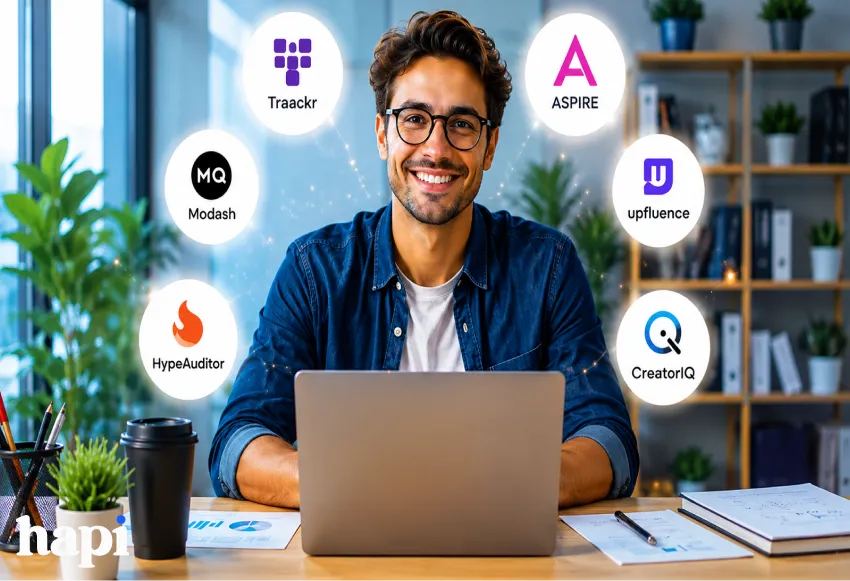
Below are some of the most widely used influencer search tools. Each one has its own strengths, so think about your budget, campaign size, and workflow before making a decision.
CreatorIQ
CreatorIQ is a popular choice for large brands and enterprise marketing teams. It offers advanced creator discovery, campaign management, reporting, and workflow automation.
Best for:
- Enterprise brands
- Large agencies
- Global influencer campaigns
Strengths
- Huge creator database
- Excellent analytics
- Strong workflow automation
- Enterprise-level reporting
Things to consider
It can be more powerful than many small businesses actually need.
Upfluence
Upfluence combines influencer discovery with e-commerce features, making it especially useful for brands selling products online.
Best for:
- Shopify stores
- E-commerce brands
- DTC businesses
Strengths
- Influencer search
- Customer-to-creator discovery
- Affiliate marketing support
- Outreach tools
Aspire
Aspire focuses on helping brands build long-term creator relationships rather than one-off campaigns.
Best for
- Lifestyle brands
- Consumer products
- Community-driven campaigns
Strengths
- Easy creator discovery
- Campaign management
- Relationship management
- User-friendly interface
GRIN
GRIN is well known for helping brands manage influencer relationships from discovery through reporting.
Best for
- Growing brands
- Mid-sized companies
- Creator relationship management
Strengths
- CRM features
- Campaign tracking
- Product gifting
- Creator communication
Modash
Modash has become a favorite for brands looking for detailed influencer analytics across multiple platforms.
Best for
- Performance marketers
- International campaigns
- Data-driven teams
Strengths
- Audience insights
- Fake follower detection
- Engagement analysis
- Cross-platform discovery
HypeAuditor
If authenticity is your biggest concern, HypeAuditor is worth considering.
Its audience quality analysis helps brands identify suspicious accounts and fake engagement before partnering with creators.
Best for
- Fraud detection
- Audience quality analysis
- Brand safety
Traackr
Traackr specializes in measuring influencer performance over time.
Instead of simply helping you discover creators, it also helps evaluate campaign results.
Best for
- ROI tracking
- Enterprise reporting
- Long-term partnerships
Native Creator Marketplaces
Don’t overlook the creator marketplaces built into social platforms themselves.
Examples include:
- Instagram Creator Marketplace
- TikTok Creator Marketplace
- YouTube BrandConnect
These tools give brands direct access to creators on their own platforms.
However, they usually focus on a single social network, making them less flexible than dedicated influencer discovery platforms.
Features to Look for in an Influencer Search Engine
After testing different creator discovery platforms over the years, I’ve realized something interesting.
The flashy features aren’t always the ones that save the most time.
Instead, it’s usually the simple filters and accurate data that make the biggest difference.
For example, I’ve searched for creators with over 100,000 followers only to discover that many had very low engagement. Once I added an engagement rate filter, the list became much smaller—but much more useful.
That’s why I always recommend looking beyond follower counts.
Must-Have Features
When comparing influencer search engines, look for these features:
- AI-powered creator recommendations
- Keyword and hashtag search
- Bio search
- Audience demographics
- Audience location
- Audience interests
- Engagement analytics
- Fake follower detection
- Brand affinity analysis
- Previous sponsorship history
- Competitor creator discovery
- Campaign management
- Outreach tools
- CRM integration
- Reporting dashboards
- Exportable creator lists
The more useful filters a platform provides, the easier it becomes to find creators who actually match your campaign.
Best Practices for Finding Influencers Faster
Finding influencers isn’t just about using the right tool.
It’s also about following a smart process.
Over the years, I’ve noticed that the best campaigns usually start with a clear plan—not endless searching.
Here’s the process I recommend.
1. Define Your Campaign Goal
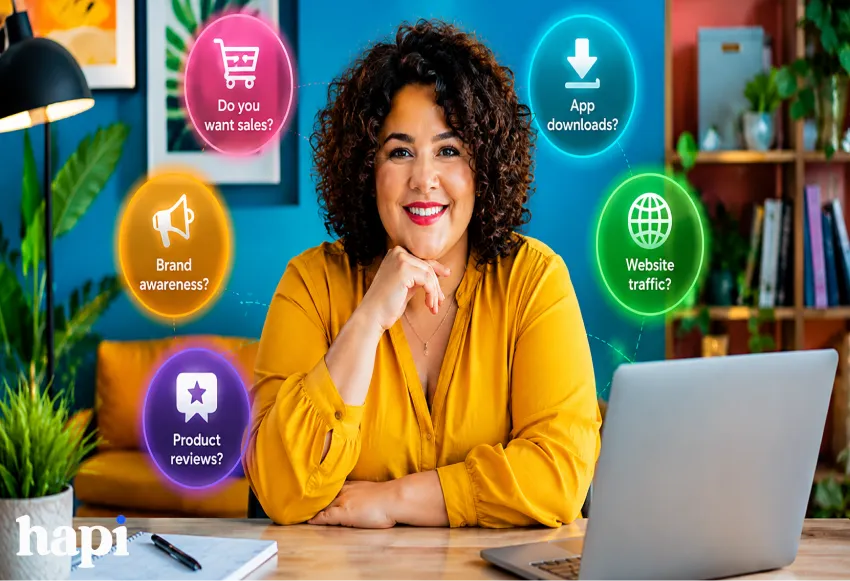
Ask yourself:
- Do you want sales?
- Brand awareness?
- App downloads?
- Website traffic?
- Product reviews?
Knowing your goal helps narrow your search from the beginning.
2. Know Your Audience
Think about who you’re trying to reach.
For example:
Instead of searching for “fitness influencers,” search for creators whose audience is:
- Busy parents
- College students
- Marathon runners
- Weightlifters
- Yoga beginners
That’s a much more focused approach.
3. Search Across Multiple Platforms
Don’t stop after checking Instagram.
Some of the best creators I’ve found were on YouTube or TikTok, even though the campaign originally started as an Instagram search.
Looking across several platforms gives you more options and often uncovers creators your competitors haven’t discovered yet.
4. Check Engagement Before Followers
A creator with 15,000 highly engaged followers may outperform someone with 500,000 inactive followers.
Always look beyond follower counts.
Read the comments.
Watch a few videos.
See how their audience interacts.
5. Review Previous Brand Partnerships
Look at the products they’ve promoted.
Do those partnerships match your industry?
If someone promotes a completely different product every week, their recommendations may feel less authentic.
Consistency often builds trust.
6. Build a Shortlist
Instead of choosing your favorite creator immediately, create a shortlist.
Compare creators side by side using metrics like:
- Audience demographics
- Engagement
- Content quality
- Posting frequency
- Brand fit
A shortlist makes the final decision much easier.
Your 8-Step Influencer Discovery Checklist
Before reaching out to any creator, make sure you’ve completed these steps:
- Define your campaign goal.
- Identify your target audience.
- Search multiple social platforms.
- Filter creators by niche and engagement.
- Review audience quality.
- Check previous brand collaborations.
- Compare your top creators.
- Contact the best matches with a personalized message.
Following this simple checklist can save hours of research and improve your chances of finding creators who genuinely connect with your audience.
Common Mistakes to Avoid When Searching for Influencers
Even with the best influencer search engine, it’s still possible to choose the wrong creator.
I’ve made a few of these mistakes myself. Early on, I focused almost entirely on follower counts because I assumed bigger meant better. After a few campaigns, I realized that wasn’t true at all.
Some of the best results came from creators with smaller but highly engaged communities.
If you can avoid the mistakes below, you’ll save time, money, and a lot of frustration.
1. Choosing Followers Over Engagement
2. Ignoring Audience Demographics
3. Using Only One Social Platform
4. Not Checking Previous Brand Partnerships
5. Skipping Fake Follower Checks
Final Thoughts
Finding influencers has changed a lot over the past few years.
What once took hours of scrolling through hashtags and profiles can now be done in minutes with the right social sites search engine.
But here’s something I’ve learned after researching creators for different campaigns:
The tool is only part of the process.
The real advantage comes from knowing what you’re looking for.
If you understand your audience, compare creators carefully, and focus on genuine engagement instead of vanity metrics, you’ll almost always make better decisions.
Whether you’re running your first influencer campaign or managing hundreds of creators, taking the time to research properly will pay off.
A good influencer discovery platform helps you work faster.
A smart strategy helps you work better.