AI influencers are approaching fast and starting to take over the digital landscape and marketing.
The influencer marketing industry is worth over $16 billion in 2024. It has grown by 300% in just five years. Most of this growth came from human influencers. But now, AI influencers are making their mark.
Virtual personalities are working alongside real people. They promote brands, sell products, and build audiences. Some have millions of followers.
Three main factors drive AI influencer adoption. First is control. Brands can manage exactly what these digital people say and do. Second is scalability. One AI influencer can create content 24/7 without breaks. Third is innovation. Companies want to stay ahead of trends.
This article will help you understand both types of influencers. We’ll look at real data and examples. By the end, you’ll know which type works best for different situations.
The marketing battle between AI and human influencers is heating up. Each side has unique advantages. The winner depends on your goals, budget, and audience.
The Rise of AI Influencers: A Revolutionary Marketing Phenomenon
What Are AI Influencers?
AI influencers are digital people created using computer technology. They look and act like real humans on social media. Advanced graphics and artificial intelligence bring them to life.
These virtual personalities started as basic computer-generated imagery (CGI). Now they use sophisticated AI to create realistic appearances and behaviors.
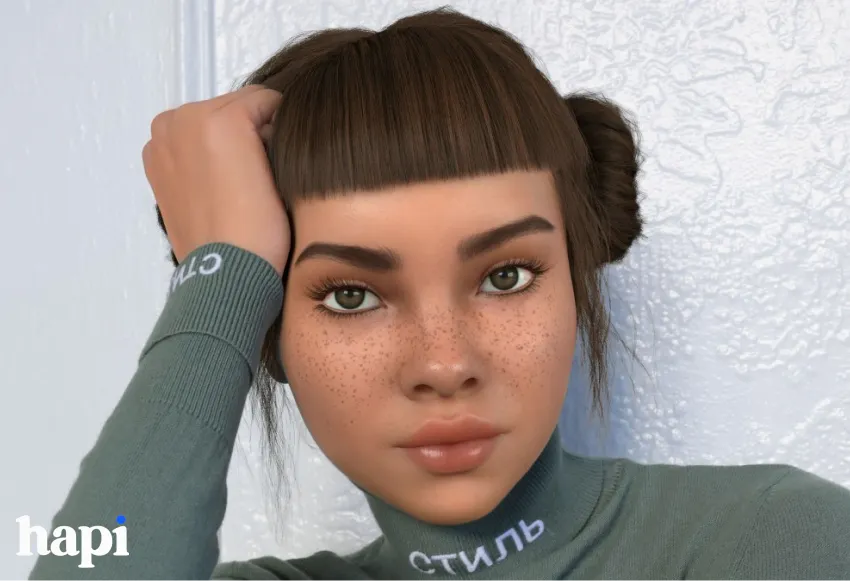
Some famous AI influencers include Lil Miquela, who has over 2.5 million Instagram followers. Creating an AI influencer takes several steps. First, designers build a 3D model. Then programmers add personality traits. Content creators write posts and responses. Finally, social media managers handle daily interactions.
The AI influencer market is growing rapidly. It was worth $200 million in 2023. Experts predict it will reach $500 million by 2025.
Categories of AI Influencers
There are six main types of AI influencers. Each serves different marketing purposes:
- CGI virtual humans look incredibly realistic. They could pass for real people in photos. These work well for fashion and beauty brands.
- Stylized or cartoon personalities have animated appearances. They’re clearly not human but have strong personalities. These appeal to younger audiences.
- AI-driven chatbots focus on conversation. They respond to comments and messages automatically. These build community engagement.
- Deepfake and synthetic media influencers use real people’s likenesses. This technology creates new content from existing footage. Legal issues limit their use.
- Digital twins copy real celebrities or personalities. They extend a person’s reach across platforms. This helps manage busy schedules.
- Brand mascots become AI personalities. Traditional mascots gain social media presence and interaction abilities. This modernizes classic marketing approaches.
Major Brands Embracing AI Influencers
Fashion companies led AI influencer adoption. Calvin Klein used Lil Miquela in campaigns. Prada featured digital models in fashion shows. Balmain created an entire virtual army for promotions.
Technology companies followed quickly. Samsung partnered with virtual personalities for product launches. LG used AI influencers to explain complex features simply.
Entertainment and gaming industries embrace AI personalities naturally. Virtual characters promote games and movies. They connect with audiences who love digital content.
Cross-platform integration works well for AI influencers. They appear consistently across Instagram, TikTok, and YouTube. Their content style remains uniform everywhere.
Most Popular AI Influencers
Lil Miquela tops the popularity charts. She has 2.5 million Instagram followers and works with major brands. Her posts get thousands of likes and comments.
Shudu ranks second with her modeling career. She appeared in Vogue and works with cosmetics companies. Her flawless appearance attracts beauty brands.

Imma from Japan focuses on Japanese and Asian markets. She has strong engagement rates and cultural relevance. Fashion brands love her artistic style.

What makes these AI influencers successful? They have consistent personalities. Their content quality stays high. They engage regularly with followers. Most importantly, they feel authentic despite being artificial.
Top AI influencers work with premium brands. Luxury companies pay higher rates for their services. Growth trajectories show steady follower increases over time.
The Human Influencer Ecosystem
Evolution of Human Influencer Marketing
Human influencer marketing started with celebrities endorsing products. This approach dominated for decades. Then social media changed everything.
Regular people gained followings on Instagram, YouTube, and TikTok. They became micro-influencers with smaller but engaged audiences. Brands discovered these influencers often performed better than celebrities.
The market now values authentic connections over star power. Human influencers share real experiences with products. Their audiences trust their recommendations more.
Today’s human influencer market is worth over $15 billion. It grows 15-20% annually. Every major brand uses human influencers in some capacity.
Different platforms support different influencer types. Instagram favors lifestyle content. YouTube suits long-form reviews. TikTok works best for entertainment and trends.
Categories of Human Influencers
Human influencers fall into four main categories based on follower count:
- Nano-influencers have 1,000 to 10,000 followers. They know their audience personally. Their engagement rates often exceed 7%. They work great for local businesses and niche products.
- Micro-influencers have 10,000 to 100,000 followers. They balance reach with engagement. Most successful brand partnerships happen at this level. They typically get 3-5% engagement rates.
- Macro-influencers have 100,000 to 1 million followers. They offer broader reach while maintaining some personal connection. Engagement rates average 2-3%. They work well for national campaigns.
- Mega-influencers have over 1 million followers. They provide massive reach but lower engagement rates around 1-2%. They’re best for brand awareness campaigns.
Industry categories also matter.
- Fitness influencers promote health products.
- Food bloggers work with restaurants and cooking brands.
- Fashion influencers partner with clothing companies.
The Human Advantage: Authenticity in Action
Human influencers offer something AI cannot replicate yet – genuine experiences. They actually use products they promote. They share honest reviews and real results.
Emotional storytelling is a human strength. People connect with personal struggles and achievements. These stories make product recommendations more powerful.
Community building comes naturally to humans. They respond personally to comments. They remember regular followers. These relationships drive long-term loyalty.
Behind-the-scenes content shows real life. Humans share mistakes, failures, and learning moments. This transparency builds trust with audiences.
Comparative Analysis: Key Performance Metrics
Engagement and Reach Metrics
Follower growth patterns differ significantly between AI and human influencers. AI influencers often see steady, consistent growth. Their content schedule never varies. Human influencers experience more volatile growth with peaks and valleys.
Engagement rates favor human influencers in most cases. Humans average 3-7% engagement depending on follower count. AI influencers typically see 1-3% engagement rates.
However, AI influencers excel in specific areas. Their comment sections stay more positive. They avoid controversial topics that might hurt engagement. Their content quality remains consistently high.
Share rates vary by content type. AI influencers create highly shareable visual content. Their perfect appearance and unique nature drive shares. Human influencers get more shares on personal, relatable content.
Social media algorithms treat both types differently. Some platforms favor human content for seeming more “authentic.” Others don’t distinguish between AI and human creators.
Conversion and ROI Analysis
Click-through rates show interesting patterns. AI influencers generate 15% higher click-through rates on average. Their content looks more professional and polished.
But conversion to actual purchases tells a different story. Human influencers see 25% higher conversion rates. People trust human recommendations more for buying decisions.
Customer acquisition costs favor AI influencers initially. Their content creation costs less over time. But human influencers bring higher customer lifetime value.
Long-term ROI calculations are complex. AI influencers require high upfront investment but lower ongoing costs. Human influencers need consistent payment but start generating returns quickly.
Brand lift metrics show mixed results. AI influencers increase brand awareness effectively. Human influencers build stronger brand affinity and loyalty.
Audience Demographics and Targeting
Age groups respond differently to each influencer type. Gen Z (ages 18-24) accepts AI influencers more readily. They grew up with digital content and virtual characters.
Millennials (ages 25-40) prefer human influencers but are open to AI. They want authenticity but appreciate innovation. Gen X and older strongly favor human influencers.
Geographic and cultural responses vary significantly. Asian markets embrace AI influencers more than Western markets. Technology-forward countries show higher acceptance rates.
Different industries see varying audience preferences. Gaming and tech audiences love AI influencers. Health and fitness audiences strongly prefer humans. Fashion audiences accept both types.
Platform differences matter too. TikTok users enjoy AI content more than Instagram users. YouTube audiences want human personalities. LinkedIn strongly favors human thought leaders.
The Economics of Influencer Selection
Cost Structure Analysis
AI influencer development requires significant upfront investment. Creating a high-quality virtual personality costs $50,000 to $200,000. This includes design, programming, and initial content creation.
Human influencer compensation varies widely. Nano-influencers might charge $100-500 per post. Mega-influencers can demand $10,000+ per post. Most brands work with multiple human influencers simultaneously.
Production expenses differ greatly. AI influencers need technical teams but no physical shooting. Human influencers require photographers, locations, and props for content creation.
Content volume capabilities favor AI influencers. They can produce unlimited content without fatigue. Human influencers have physical and creative limitations on output.
Long-term budgeting is more predictable with AI influencers. Their costs remain stable over time. Human influencers may raise rates as their popularity grows.
Investment Timeline Considerations
Upfront costs are much higher for AI influencers. But ongoing expenses are lower. The break-even point typically occurs after 12-18 months of active use.
Human influencers start generating returns immediately. Their campaigns can launch within days. This makes them better for time-sensitive promotions.
Scaling costs differently affect each type. Adding more human influencers means multiplying all costs. One AI influencer can scale across multiple campaigns and markets.
Budget flexibility varies significantly. Human influencer budgets can adjust monthly. AI influencer investments are largely fixed after creation.
Cost predictability strongly favors AI influencers. Their expenses are known in advance. Human influencer campaigns can face unexpected additional costs.
How AI Influencers Make Money

AI influencers generate revenue through several streams:
- Sponsored posts work like human influencer partnerships. Brands pay for product placements and endorsements.
- Licensing deals allow multiple brands to use the same AI personality. This spreads development costs across many clients. Revenue sharing models split earnings between creators and brands.
- Merchandise sales leverage the AI influencer’s popularity. Virtual personalities can promote their own product lines. This creates additional revenue streams beyond traditional sponsorships.
- Virtual meet-and-greets or personalized content. Fans pay for exclusive interactions. This creates direct monetization opportunities.
Compared to human influencers, AI personalities offer more consistent revenue. They work continuously without breaks or personal issues affecting income.
Trust and Authenticity: The Core Battleground
Consumer Trust Research
Recent surveys reveal complex attitudes toward AI influencers. 67% of consumers trust human influencers more for product recommendations. But 45% find AI influencers entertaining and engaging.
Transparency expectations are crucial. 78% of consumers want clear disclosure when content comes from AI influencers. Hidden AI usage damages brand trust significantly.
Generational differences are stark. 52% of Gen Z consumers are comfortable following AI influencers. Only 23% of Baby Boomers share this comfort level.
Cultural variations matter too. Japanese consumers show 60% acceptance of AI influencers. American consumers show only 35% acceptance rates.
Trust-building mechanisms work differently for each type. Humans build trust through vulnerability and mistakes. AI influencers build trust through consistency and reliability.
The Authenticity Paradox
Human flaws actually become marketing assets. People relate to struggles with products. They trust influencers who admit when something doesn’t work.
The uncanny valley affects AI influencer success. When AI looks almost but not quite human, it creates discomfort. Stylized AI personalities often perform better than hyper-realistic ones.
Disclosure requirements are becoming stricter. The FTC requires clear labeling of AI-generated content. Brands must be transparent about virtual influencer partnerships.
Lived experiences remain uniquely human. AI influencers cannot truly test products or have genuine reactions. This limits their effectiveness in certain product categories.
Emotional connections differ between types. Humans create deep, personal bonds with audiences. AI influencers generate fascination and entertainment but less emotional attachment.
Audience Relationship Building
Community development requires ongoing interaction. Human influencers remember followers and create inside jokes. They build genuine relationships over time.
AI influencers can respond more frequently but less personally. They maintain consistent tone and availability. But their responses may feel formulaic over time.
Parasocial relationships form differently with each type. People know AI influencers aren’t real but still feel connected. The relationship is based on entertainment rather than friendship.
Long-term audience loyalty is stronger with human influencers. People follow them through life changes and career shifts. AI influencer loyalty depends more on consistent content quality.
Two-way communication works better with humans currently. They understand context and emotion in responses. AI technology is improving but still lacks nuanced understanding.
Creative Control and Brand Safety
Content Control Mechanisms
AI influencers offer unprecedented message control. Every word and image can be pre-approved. There’s no risk of off-script comments or behavior.
Human influencers require clear guidelines but maintain creative freedom. This balance allows authenticity while protecting brand interests. But it never guarantees complete control.
Content approval workflows differ significantly. AI content can be perfected before publication. Human content often needs quick approval to maintain authenticity.
Creative flexibility varies by influencer type. Humans adapt naturally to new trends and audience feedback. AI influencers need programming updates to change behavior.
Campaign feedback integration happens differently. Humans can immediately adjust their approach. AI influencers may need technical modifications for changes.
Risk Management Strategies

Human influencers can create unexpected controversies. Personal opinions, past behavior, or current actions might damage brand reputation. This risk never completely disappears.
AI influencers face technical malfunctions and system errors. Glitches can create inappropriate content or responses. Software bugs might break the character completely.
Crisis management approaches must account for different risk types. Human influencer crises need public relations responses. AI influencer problems need technical fixes and explanations.
Platform policy compliance affects both types. Rule changes can impact how influencers operate. AI influencers might face additional restrictions as platforms develop policies.
Public relations considerations include audience education. Many people still don’t understand AI influencers. Brands must explain their choice and benefits clearly.
Legal and Regulatory Landscape
FTC guidelines require clear disclosure for all paid partnerships. AI influencer content must be labeled as artificial. Human influencer content must show sponsorship relationships.
International regulations vary widely. Some countries have strict AI content rules. Others have minimal requirements. Global campaigns need careful legal review.
Intellectual property considerations are complex for AI influencers. Who owns the virtual personality? How are rights transferred between parties? Legal frameworks are still developing.
Data privacy implications affect both types differently. Human influencers control their own data. AI influencers exist entirely as data that brands or agencies own.
Emerging legislation will likely increase regulation. Both AI and influencer marketing face growing scrutiny. Brands should prepare for stricter requirements.
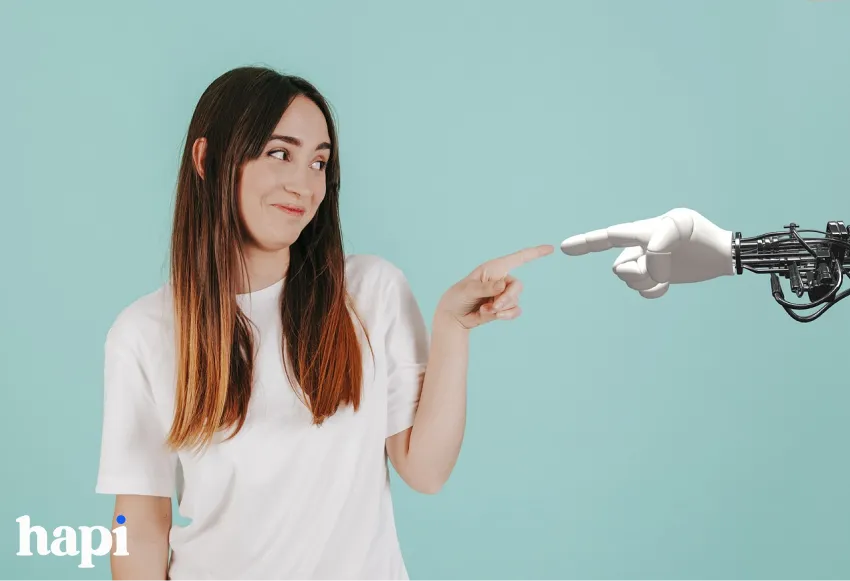
The Hybrid Approach: Best of Both Worlds
Technological Integration Points
AR and VR technologies enhance both influencer types. Virtual environments create unique content opportunities. Mixed reality experiences blend digital and human elements.
AI-powered optimization helps human influencers improve performance. Analytics suggest optimal posting times and content types. But humans maintain creative control.
Voice and audio AI integration is expanding rapidly. Virtual influencers can have conversations and create podcasts. This adds new dimensions to their personalities.
Metaverse marketing opportunities are growing. Both AI and human influencers can operate in virtual worlds. These platforms may favor virtual personalities initially.
Blockchain verification could solve authenticity concerns. Permanent records of content creation and AI involvement increase transparency. This technology might become standard.
Strategic Implementation Framework
Determining the optimal mix requires careful analysis. Consider your audience, budget, timeline, and goals. Different campaigns may need different approaches.
Budget allocation across hybrid strategies needs balance. Don’t put all resources into one approach. Diversification reduces risk and maximizes opportunities.
Measuring hybrid effectiveness requires sophisticated tracking. Separate metrics for each influencer type show individual performance. Combined metrics show overall campaign success.
Platform selection should match influencer strengths. Use AI influencers where visual content dominates. Use humans where personal connection matters most.
Future-proofing marketing investments means staying flexible. Technology will continue evolving. Successful brands adapt their strategies as new options emerge.
Future Trends and Predictions: 2025 and Beyond
Technological Advancements
AI personality development is becoming more sophisticated. Virtual influencers will have better conversations and more realistic emotions. They’ll respond to complex situations naturally.
Interactive capabilities will expand dramatically. AI influencers might host live streams and answer questions in real time. Video calls with virtual personalities could become common.
Real-time adaptation systems will learn from audience feedback. AI influencers will automatically adjust their content style based on performance data. This creates more effective campaigns over time.
Emotional intelligence in AI is improving rapidly. Virtual personalities will recognize and respond to audience emotions. This could bridge the authenticity gap significantly.
Hyper-personalization will create unique experiences for each follower. AI influencers might customize content for individual audience members. This level of personalization is impossible for humans at scale.
Market Evolution Forecasts
Industry experts predict AI influencers will capture 20% of the influencer marketing budget by 2030. Human influencers will still dominate but face increasing competition.
Investment trends show growing venture capital interest in AI influencer technology. Major funding rounds are becoming common. This money will accelerate development and adoption.
Consolidation is likely as the market matures. Smaller AI influencer creators may be acquired by larger agencies or tech companies. This could standardize quality and capabilities.
Emerging platforms designed specifically for virtual personalities are launching. These spaces might favor AI influencers over human creators. New opportunities will emerge regularly.
Global adoption will vary by region and culture. Technology-forward markets will lead adoption. Traditional markets may be slower to embrace virtual personalities.
Consumer Behavior Predictions
Authenticity expectations are evolving rapidly. Younger consumers may value consistency over traditional authenticity. Perfect AI personalities might become preferred over flawed humans.
Digital natives entering the market grew up with virtual characters. Their acceptance of AI influencers will likely be much higher than current generations.
Privacy concerns might actually favor AI influencers. Virtual personalities don’t collect personal data the same way. They might feel safer to interact with.
Content consumption patterns continue shifting toward visual and interactive media. This trend favors AI influencers who excel at creating consistent visual content.
Cross-platform behavior is becoming more important. AI influencers’ ability to maintain consistent personalities across platforms could become a major advantage.
Making the Right Choice: Strategic Decision Framework
Brand-Specific Considerations
Industry suitability varies significantly between influencer types. Technology, gaming, and fashion brands often succeed with AI influencers. Health, fitness, and food brands usually need human authenticity.
Target audience alignment is crucial for success. Analyze your customers’ ages, interests, and attitudes toward technology. Match your influencer choice to their preferences.
Campaign objectives should drive influencer selection. Brand awareness campaigns can use AI influencers effectively. Purchase conversion campaigns often need human credibility.
Budget constraints affect your options significantly. AI influencers require high upfront investment but lower ongoing costs. Human influencers need consistent funding but start working immediately.
Timeline and scalability needs matter too. Quick campaigns favor human influencers. Long-term, multi-market campaigns may benefit from AI consistency.
Campaign Type Optimization
Product launches can work well with either type. AI influencers create buzz and generate sharing. Human influencers provide credible reviews and demonstrations.
Brand awareness campaigns often favor AI influencers. Their unique nature generates attention and media coverage. They can reach large audiences consistently.
Long-term brand building usually requires human connection. People develop emotional attachments to human personalities over time. This creates stronger brand loyalty.
Crisis recovery marketing almost always needs human influencers. Audiences want to hear from real people during difficult times. Authenticity matters more than perfection.
Multi-market deployment can benefit from AI influencers. They maintain consistency across cultures and languages. But local human influencers provide cultural relevance.
Measurement and Evaluation Approaches
- KPI selection should match your influencer choice and goals. AI influencers excel at reach and awareness metrics. Human influencers perform better on engagement and conversion measures.
- Attribution modeling needs to account for different influence types. AI and human influencers affect the customer journey differently. Track their unique contributions separately.
- Testing methodologies should compare both types fairly. Run parallel campaigns with similar budgets and goals. Measure results using consistent criteria.
- Continuous improvement frameworks help optimize performance over time. Regular analysis and adjustment improve results for both influencer types.
- ROI optimization strategies should consider long-term value, not just immediate returns. AI influencers may take longer to pay off but provide sustained benefits.
Conclusion
Both AI and human influencers have clear advantages and disadvantages. The choice between them depends on your specific situation, goals, and audience.
AI influencers excel at:
- Consistency
- Control
- Scalability
They work well for visual brands, tech-savvy audiences, and long-term campaigns. Their costs are predictable and their messages stay on-brand.
Human influencers provide:
- Authenticity
- emotional connection
- Immediate credibility
They’re better for conversion campaigns, older audiences, and products requiring personal testimonials.
The future likely belongs to brands using both types strategically. Hybrid approaches maximize the strengths of each while minimizing weaknesses. Successful marketers will adapt their strategies as technology and consumer attitudes evolve.
There’s no single winner in the AI versus human influencer battle. The winning approach depends on matching the right type to your specific needs. Smart brands will experiment with both and measure results carefully.
Stay informed about new developments in both AI technology and human influencer trends. Flexibility and testing will determine long-term success.