Finding the best influencer marketing platform that will help you actually raise your ROI is getting harder each day. There are too many options available, all offering big promises but choose wrong and it can lead to one huge dent in your budget with unsatisfactory results.
Influencer marketing is no longer a “nice-to-have” experiment. For US brands across beauty, gaming, and fitness, it’s a core growth channel. But as the industry grows, the technology behind it grows too. Many of these platforms offer and promise reaching all of your marketing campaign goals but the hard decision remains, which one is the best fit for your business?
This guide exists to solve that problem. You’ll learn
- what influencer marketing platforms actually do
- how the platforms differ from each other
- which features matter most
- how to choose the right tool for your brand
If you are a beginner just learning about these platforms or an experienced marketer actively looking for an Influencer marketing platform then this article is perfect for your evening read.
What Is an Influencer Marketing Platform?
Influencer marketing platforms are software tools that are designed for the finding, managing, and measurement-scale influencer partnerships, which help the brands. Instead of manually searching through different social media platforms for partners, sending DMs, tracking spreadsheets, and guessing at ROI, platforms bring together the entire process.
Most influencer marketing platforms include:
- Influencer discovery based on niche, audience demographics, EMV and platform
- Audience analytics such as engagement rate and authenticity signals
- Outreach and relationship management (often called influencer CRM)
- Campaign management for approvals, timelines, and deliverables
- Performance reporting tied to reach, engagement, or conversions
For example, a beauty brand launching a new skincare line can use a platform to identify micro-influencers, manage outreach, approve content, and track sales through unique links, all in one dashboard.
How Influencer Marketing Platforms Actually Work
Although platforms market themselves differently, most follow the same workflow.
They start by collecting data from social media APIs, creator profiles, and proprietary databases. This data fuels search, analytics, and performance estimates. Some platforms refresh data daily, while others update less frequently, an important detail when comparing tools.
Next comes influencer matching. Brands set campaign criteria, and the platform surfaces creators who match those parameters. AI-assisted recommendations are increasingly common, but manual review is still essential.
A typical influencer campaign process looks like this:
- Define goals and KPIs
- Discover and shortlist creators
- Vet influencers for brand fit and authenticity
- Manage outreach, influencer contracts, and content
- Track results and generate reports
No platform has perfect data. The best tools are the ones that clearly explain how their metrics work, how their analytics are calculated and what are their limitations.
Key Features to Compare in Influencer Marketing Platforms

To perfectly compare influencer marketing platforms you should put aside the basic features and look at what actually impacts results, that’s how you decide to buy or not:
Influencer Discovery
Database size is important but niche relevancy and accuracy is more practical: Some platforms focus on TikTok and Instagram influencers while others focus on Twitch or YouTube creators. Which one do you want to focus on?
Analytics & Reporting
Offering the follower counts of an influencer is the most basic feature of a platform, the more professional platforms also offer:
- Historical performance
- Audience demographics
- Campaign-level ROI
Campaign & Relationship Management
If you have large brand that runs multiple campaigns in the same timeframe then you are gonna need a CRM-style option that helps you track:
- Conversations
- Content approvals
- Long-term partnerships
Integrations
You don’t want to keep switching between multiple platforms just to measure revenue impact, it’s best if your chosen option connects with Shopify, Google Analytics and various ad platforms to help you measure
Pricing Model
It’s important that the platform is clear on what’s the worth of the deal they are offering you. The pricing can vary based on multiple factors but they usually depend on:
- Users
- Creators
- Campaign volume
Top Influencer Marketing Platforms Brands Use in the US
Upfluence: Is quite popular among ecommerce businesses since it integrates seamlessly with Shopify and WooCommerce, making it possible for marketers to track their influencer marketing campaigns against actual sales.
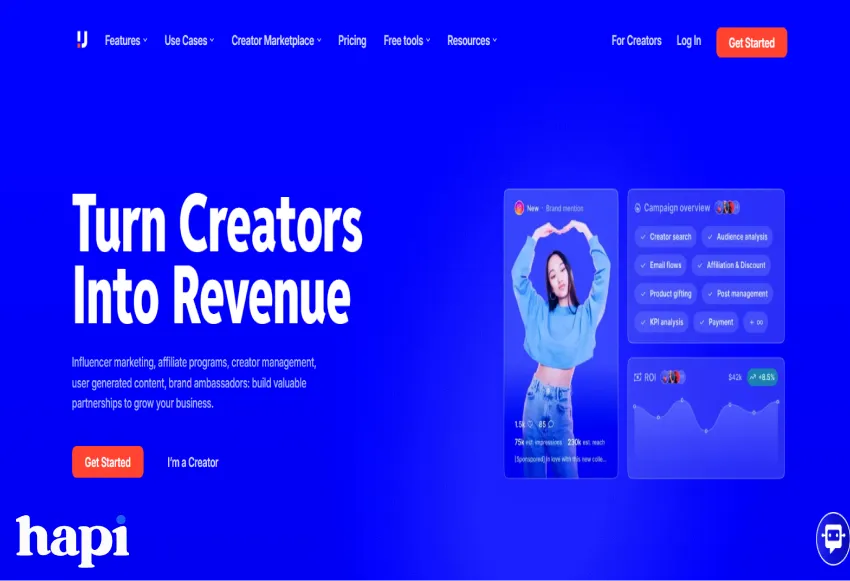
The platform focuses on influencer discovery related to purchases, which makes it simpler to find creators that already follow the products offered by a brand. This makes Upfluence very attractive to brands with revenue-driven influencer marketing strategies.
Influencity: What sets Influencity apart is its analytics capabilities as well as its audience intelligence, which delivers a wide array of information on influencer audiences’ demographics, interests, and quality of engagement.
Brands that value data correctness and strategic planning may select Influencity due to its capability for supporting data-driven decision-making. It is an appropriate solution for these teams that want to assess influencers beyond the basic requirements.
Aspire: It is most popular for having a good relationship management system, which assists brands in forming partnerships with influencers.
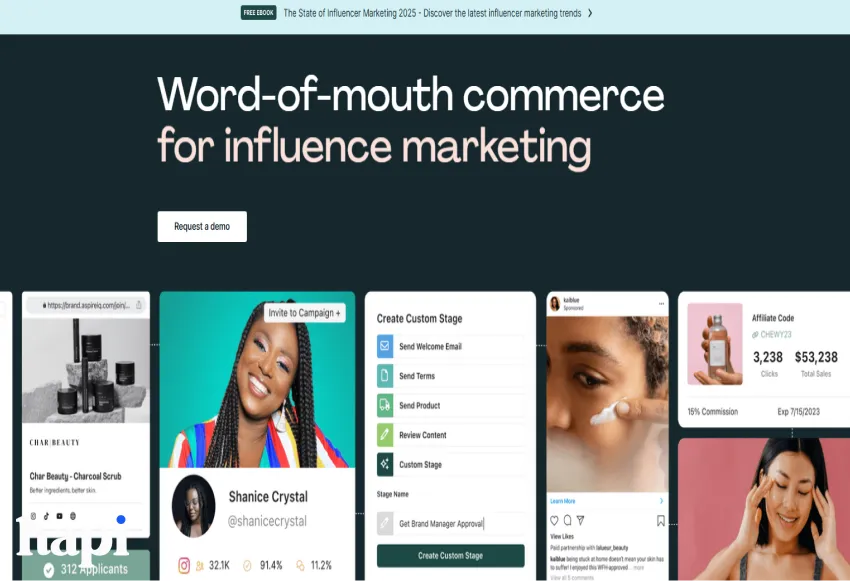
It is most popular in the beauty and lifestyle industry, as it relies on ongoing ambassador programs rather than one-off campaigns. Aspire’s main emphasis is on efficiency and communication.
GRIN is designed for enterprise-scale influencer marketing programs that require robust workflows, permissions, and integrations.
Those with large brands and high campaign volumes will find GRIN’s CRM-like functionality and reporting capabilities very beneficial. GRIN handles complicated approval workflows and teamwork very effectively, which makes it an excellent tool for organizations that handle influencer marketing at scale.
Modash has gained traction for influencer discovery across Instagram, TikTok, and YouTube, with a strong emphasis on authenticity and audience quality.
The platform helps brands identify creators with genuine engagement and transparent metrics. Modash is often favored by teams that prioritize discovery and vetting over full-scale campaign management features.
Gethapi represents a newer generation of influencer marketing platform that emphasize structured data, streamlined workflows, and actionable insights.
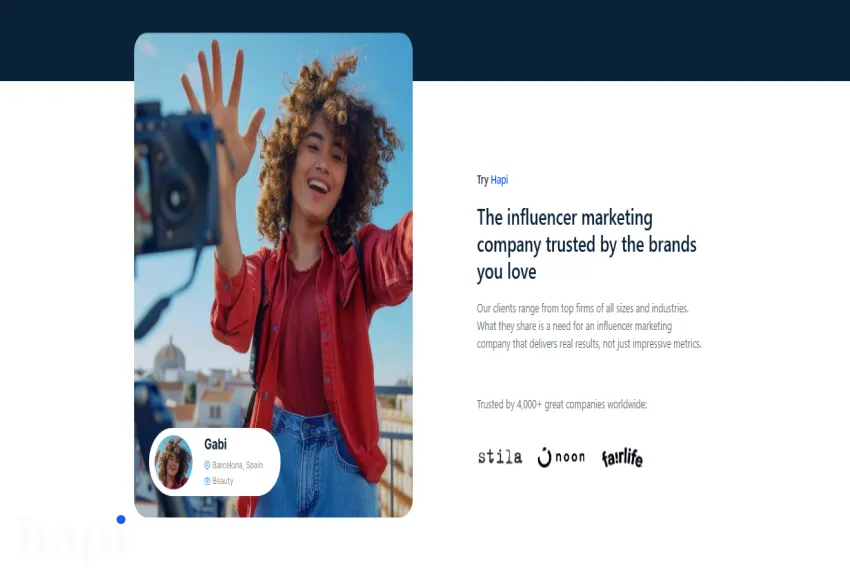
Rather than operating as a large creator marketplace, it focuses on clarity and efficiency in influencer analysis. This approach appeals to teams that want clean data and measurable outcomes without unnecessary platform complexity.
Best-for comparisons:
- Best for ecommerce attribution: Upfluence
- Best for advanced analytics: Influencity
- Best for relationship-driven campaigns: Aspire
Influencer Marketing Platform Comparison Table
The table below compares leading influencer marketing platforms used by US brands, highlighting strengths, ideal use cases, and core differentiators. This format helps readers quickly identify which tools align with their needs.
| Platform | Discovery Strength | Analytics Depth | Integrations | Pricing Approach | Best For |
| Upfluence | Strong (IG, TikTok) | Moderate–High | Shopify, WooCommerce | Subscription-based | Ecommerce brands focused on sales attribution |
| Influencity | Strong (multi-platform) | High | Social + CRM tools | Tiered plans | Data-driven teams prioritizing audience insights |
| Aspire | Moderate–Strong | Moderate | Ecommerce & content tools | Custom pricing | Beauty & lifestyle brands building long-term creator relationships |
| GRIN | Strong | High | Extensive (enterprise) | Enterprise contracts | Large teams with complex workflows |
| Modash | Strong (global reach) | Moderate | Limited native integrations | Flat subscription | Brands focused on discovery and authenticity |
| gethapi.org | Focused, curated | Data-centric | Workflow & analytics tools | Flexible / emerging | Teams seeking streamlined insights over large marketplaces |
How to Choose the Right Influencer Marketing Platform
The right influencer marketing platform isn’t about choosing the most popular tool; it’s about finding the one that aligns with how your team actually works today. Most of these platforms are built for enterprise-scale programs, often overwhelming smaller teams and inflating costs without additional value.
Before committing, take a clear look at your:
- Current needs
- Internal resources
- Campaign goals
Consider the following factors carefully:
- Your current budget and campaign volume, including how many creators you plan to work with
- Industry focus, as beauty, gaming, and fitness brands often require different creator ecosystems
- Team size and workflow complexity, such as approval processes and collaboration needs
- Data accuracy and reporting requirements, especially if ROI measurement matters
- Access to demos or free trials to test usability before purchasing
Many brands overspend on platforms built for scale they never reach. Start with what you need now, and choose a tool that can grow with you—not one that forces growth before you’re ready.
Influencer Marketing Platform Trends to Watch

Several trends are changing the nature of the influencer marketing platform landscape, as brands demand more accountability and efficiency from these partners. One of the biggest shifts is the growing emphasis on first-party creator data, as privacy changes and API limitations reduce access to third-party insights.
Meanwhile, brands no longer only focus on vanity metrics like follower count, they have moved toward performance-based measurement:
- Prioritizing conversions
- Revenue
- True ROI
Another major trend is the increased reuse of influencer content as paid UGC ads, tacking on the value of the creator partnerships across channels. Meanwhile, AI-driven influencer discovery continues to improve, but remains most effective when paired with transparent data and human review.
Frequently Asked Questions About Influencer Marketing Platforms
What is the best influencer marketing platform for beginners?
Any platform that prioritizes ease of use, guided workflows and detailed reporting.
How much do influencer marketing platforms cost in the US?
It varies, can range between a couple of hundred dollars per month to more than 20k per year.
Are influencer marketing platforms worth it for small brands?
Yes, they save time by replacing manual work and avoid creator partnership pitfalls..
What’s the difference between influencer platforms and agencies?
Platforms give you tools and data while agencies help you with strategy and execution. Agencies usually use platforms to offer better service.
Can influencer marketing platforms detect fake followers?
No tool is perfect and they all can have faults but they do try to estimate the originality of a follower based on their behavioral signals.
Which platforms work best for beauty and fitness brands?
These niches are most popular on Instagram and TikTok, so the ones with a strong database on these two platforms are the best options.
How long does it take to see ROI?
Short campaigns may show results in weeks; long-term programs take months.
Conclusion
Influencer marketing platforms are powerful decision-making tools—but only when chosen wisely. There is no universal winner, only platforms that fit specific goals, teams, and industries.
Focus on clarity, not complexity. Compare tools honestly, test workflows, and prioritize measurable outcomes. The right influencer marketing platform won’t just help you find creators—it will help you build partnerships that actually perform.