What does your brand look like at first glance?
If you don’t have an answer then you might be missing one important detail: a strong visual identity.
In 2025, doom scrolling means people decide if your brand is to their liking or not at one glance. Brands that appear cohesive, consistent and deliberate are more interesting which is where social mood boards come in handy in uniting your content, tone and visual aesthetic across all platforms.
And the best part? Tools like Pinterest and Canva make mood boards easy and free.
Below, we talk about what a mood board actually is, how effective they are and we’ll include a step by step guide on making one that matches your brand which you can share with your team.
What Is a Social Mood Board?
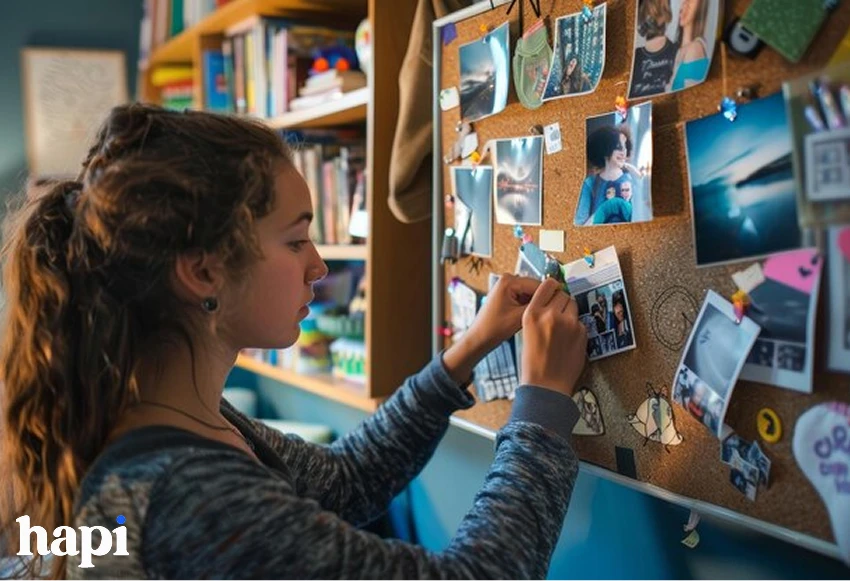
A social mood board is a carefully curated visual compilation that assists in crafting and establishing your brand’s aesthetic on social media. It is a creative roadmap not for a room or closet, but for your online aesthetic. It brings together the visual aspects that define your brand: color schemes, typography, example images, inspirational quotes, composition references and even tone-establishing memes.
Unlike the classic mood boards utilized in fashion or interior design, social mood boards help you direct your posts on social media with a specific aim for more clarity and agency. They guide how your posts feel. Warm and bold? Smooth and playful? Minimalist or maximalist?
Instead of cutting out magazine pictures and gluing them on cardboard, modern mood boards are made by online tools & websites that make it easy to collect, categorize, and curate your visual direction.
A well curated mood board anchors your posts so they stay on brand, close-knit, and recognizable on any platform that you use whether it’s Instagram, LinkedIn, Tiktok or all three.
Top Benefits for Small-Business Owners
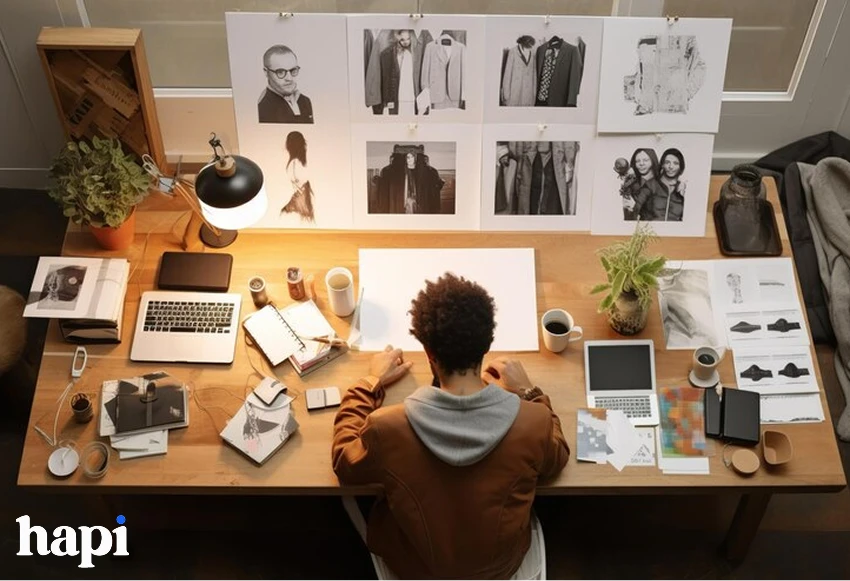
Running a small business sometimes means wearing many different hats and social media can quickly become just another one of those enormously daunting things on the agenda. That’s where social mood boards come in handy. They are an effective, time-saving tool for entrepreneurs who want to create their online brand without burning themselves out.
Let’s see how mood boards can actually make a difference for you:
A. Build Trust with Visual Consistency
If you want your brand to be recognizable at first glance then a uniform Instagram grid or TikTok feed is a must. According to HubSpot a visually appealing and consistent social media presence builds trust within your niche.
B. Easier Team Work
Have to include a designer, social media admin or another team member in the project? By sharing your mood board, give them a set direction to follow, thus reducing those tiresome revisions.
C. Streamlines Content Planning
A mood board is a visual guide. You’ve already established your staple colors, photography genres, and design motifs which speeds up production and spares decision fatigue. No more uncertainty about what to post next.
D. Enhances Performance on Visual Platforms
Most platforms prioritize visuals. If your brand has a cohesive mood board, your team creates compelling content that drives better performance and engagement.
E. Keeps Up with Visual Trends
Mood boards are also great for trendspotting. By collecting fresh inspiration and experimenting with trends, you can stay authentic to your brand while continuing to evolve with what’s happening now. This makes your business current without losing its soul.
Overall, social mood boards are a must-have resource for small-business owners who want to expand their online presence effectively and efficiently.
Best Tools to Make Moodboards

It’s easier than ever to create a mood board, there is a wide range of platforms and apps available to fit your workflow whether you’re a solo artist, part of a team. Here are some top picks:
Pinterest: Even though Pinterest was the first go-to for mood boards, it still lets you search for ideas by keywords like “neutral Instagram feed” or “moody coffee brand.” Save to secret boards or collaborate in real-time with others. It’s fast, easy and perfect for gathering ideas.
Canva: With its free templates and easy drag-and-drop functionality, this platform is ideal to bring your ideas to life as professional designs. You can add your business colors, fonts, and logos and easily export them as a PDF or share them with a link.
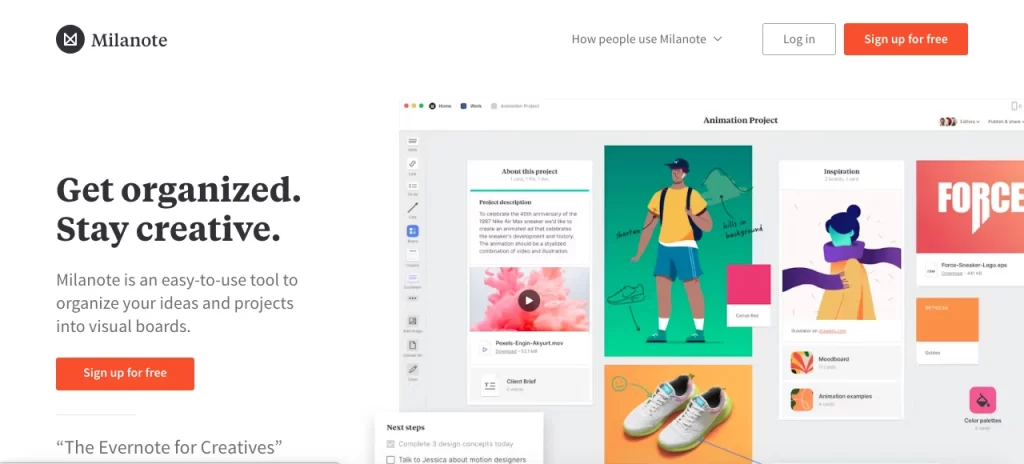
Milanote: Is great for collaborations. Milanote allows you to lay out images, notes, links, and comments in one space. It’s also great if you have a social media agency or team you work with.
Beyond the major players, here are a few extras worth exploring:
Google Slides: Simple to use but excellent at having visuals set out in an orderly format.
Notion: Add visuals to your brand docs for quick reference.
Adobe Firefly / Khroma: Use AI to generate color palettes or creative assets.
Here’s a useful tip: Select the tool that works best with your style and workflow. The goal is clarity, not complexity.
How to Design an Effective Mood Board for Your Social Media
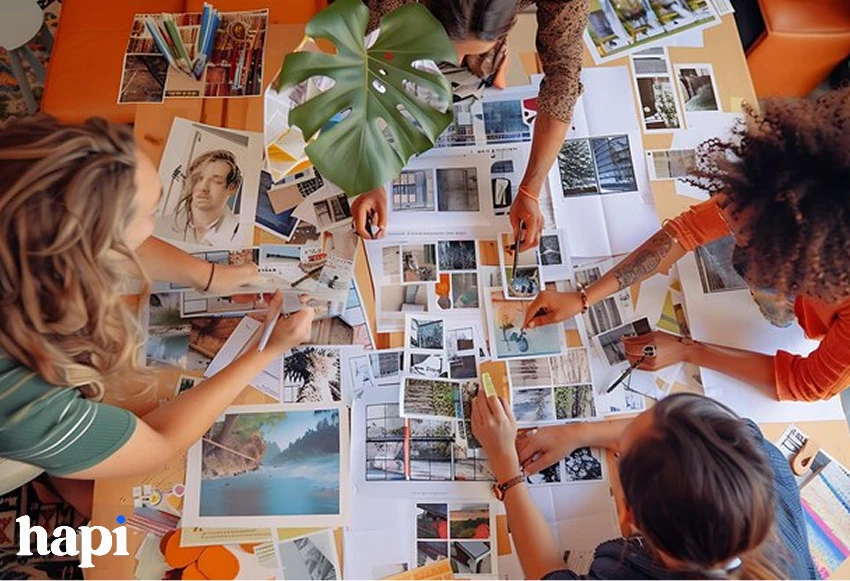
A strong mood board doesn’t happen casually; it’s thoughtfully designed to get at the soul of your brand and guide your content. Here’s how to create one that actually guides your social media strategy:
A. Define Your Brand’s Voice and Objectives
Start by identifying whom you’re writing to and what you want to make them feel. Are you writing to creative freelancers, eco-aware consumers, or Gen Z fashion fans? Choose 3 to 4 words that describe your brand personality e.g., bold, minimal, playful, or moody. These words will determine the images you collect.
B. Curate Visuals with Purpose
Gather product photos, lifestyle shots, textures, patterns, inspirational quotes, or even past social media post screenshots. Add them to a Pinterest board or drop them into a Canva or Milanote design. Don’t add stuff just because they look good; each one should reflect your brand style and values.
C. Group by Theme
Split your mood board into sections for your convenience:
- Color Palette
- Fonts and Type Styles
- Photography Style
- Layouts and Content Examples
This helps make it easier to create a uniformed brand aesthetic. Opt for clean, streamlined boards that aren’t visually overwhelming.
D. Collaborate and Revise
Share your mood board with your team, designer, or social media assistant. Use comments or annotations to explain which elements are absolute requirements and which are optional. Feedback gives the board more value in the long run.
E. Link to Your Content Calendar
Connect your mood board to a specific campaign. For example: “Use this pale color scheme for our spring introduction.” This makes it feasible, not just inspirational.
F. Refresh on a Regular Basis
Make your mood board a living document. Return to it monthly and refresh it according to new trends or performance. If your content is evolving, then your mood board must too.
Common Mistakes to Avoid

While mood boards are a strong tool, they can also have the opposite effect if poorly managed. These are some of the most common pitfalls to avoid:
Too many styles can render your brand image inconsistent and disorderly. It’s easy to add every look that appeals to you, but staying focused builds a clearer, stronger brand.
Imitating others too closely is another pitfall. Taking inspiration is wonderful, but copying another brand’s look can make yours look bland. Your mood board should be an expression of your own voice.
Not updating your board is a quiet assassin. Trends are evolving quickly, and what was hot yesterday may be stale today. If your aesthetic looks tired, engagement will probably suffer as well.
Not aligning your board with your profile layout makes clunky, mismatched grids especially on visual platforms like Instagram. Think about how the posts integrate.
Finally, don’t overdo colors. Visual identity is about more than color; layout, tone, typography selection, and image style matter just as much.
Avoiding these pitfalls makes your mood board useful and in line with the progress of your brand.
Examples to Learn From
Glossier: Their early Pinterest boards helped shape their visual identity: soft pinks, minimal design with natural lighting; helping them build a strong brand recognition on Instagram.
BLACKPINK: kpop companies are famous for their use of Pinterest boards, from Aespa to BlackPink their brand designers usually use moodboards to plan for music video visuals, tour promotions and outfits. Fans instantly recognize each “era” thanks to the group’s clear and consistent visual branding.
Mejuri: The jewelry brand Mejuri uses Milanote internally to plan their product campaigns and social media visuals. They map out color palettes, textures, and model photography before launching new lines.
Conclusion
You don’t have to be a designer to create a moodboard. It’s an easy and powerful visual reference to save time, keep you on point and create on-brand content, whether you’re a small business owner, content creator, or even a freelancer.
The good news? No overthinking needed, you can start small and let the gods of creativity find you, just pick a tool and begin collecting the vibe, tone and colours of your brand. Style defining words can help your board become more cohesive.
After some time your content creation becomes faster, more solid across multiple platforms and reduces the anxiety surrounding the design process. A mood board is exactly the thing designers need for a fast evolving digital world.
FAQ
What is a mood board in social media?
A mood board is a visual guide of images, colours, fonts, and aesthetics that captures the overall atmosphere of your brand. It is your creative guide to your social media posts.
Are mood boards legal?
Yes, if you don’t use copyrighted material without permission.
What is the difference between a mood board and a theme board?
Moodboards focus on the overall style of your brand like colors, fonts and textures, while theme boards are more specific & usually centered around a particular campaign or event.
What should not be on a mood board?
Avoid busying your moodboard, using low quality & irrelevant visuals, using copyrighted material without constant and overly detailed or finished designs.
What 5 elements must you include on a mood board?
Every solid mood board should include: Colors, fonts, photography style, layout samples, and keywords that nail your tone.