Is Smaller the New Smarter in Brand Marketing?
Social micro-events are little, tightly focused events designed to build real connections; dinner parties, pop-up experiences, or invitation-only workshops, for example. Unlike mass-market campaigns that shoot for reach, not depth, these events value depth over reach.
After the pandemic, all brands realized something: people called for authenticity, not for noise. They yearned for meaningful interactions and not for overscripted shows.
Because of this, social micro-events are dominating. They feel natural and that is what people hold most important today.
What Are Social Micro-Events?
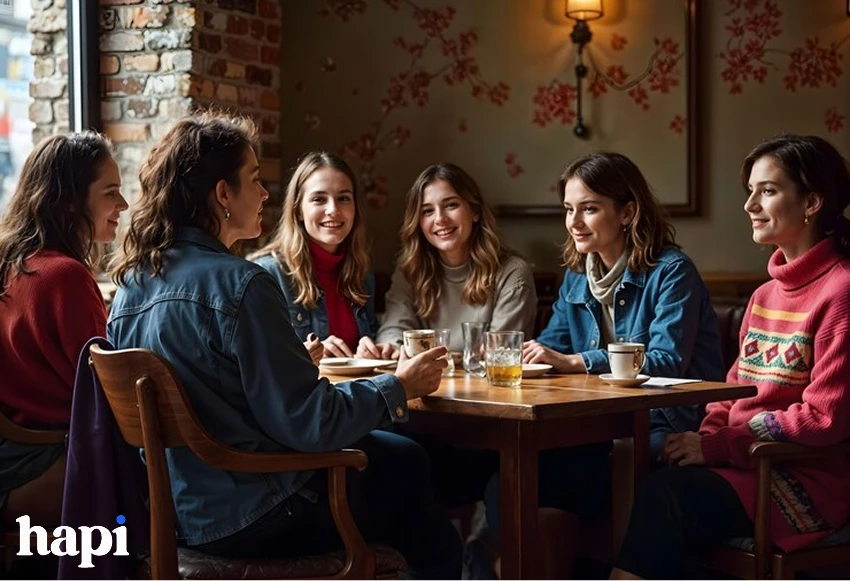
These small, branded experiences are designed with intention. They’re meant to connect a targeted audience with a focused message usually in a more intimate setting. Brands don’t pack large rooms with these events, they design them intentionally for smaller, more present moments with the right people, at the right time, in the right way.
You might discover them as dinner parties, specialty workshops, or small hybrid gatherings. Some of them are online, and some take place in person with a limited guest list. What they all have in common is a mission and a touch of individuality.
Mass campaigns are all about volume and reach, micro-events however prioritize quality of the engagement. They’re faster, cheaper, and you don’t need hundreds of people, just the right few who pay attention. These events offer socializing opportunities to the secluded population of this age.
That’s the appeal: small sparks, big results. In recent years most marketers admit they see more engagement from small-scale events compared to large-scale initiatives. The cat’s out of the bag: people yearn for connection, not intrusion.
Why Micro-Events Thrive in 2025

In a crowded world, micro-events cut through.
Instead of pursuing views or likes, these tiny events are about real interaction, something that old campaigns often fall short of. That human interaction builds trust, and trust generates action.
In 2025, viewers aren’t looking for generic messages. They want brands to appear where they are. Micro-events do just that. With fewer distractions, there’s more room to hear, reply, and transform. That’s potent.
There’s also science behind it: we can only manage about 150 real relationships. Micro-events respect that limit and win because of it. These events remain small and human-sized.
This creates deeper connections, and that’s reflected in the outcomes. According to a 2024 Bizzabo report, 78% of participants feel more appreciated at micro-events than at traditional ones. When people feel seen, they stay connected and they also remember you.
It’s not about going small. It’s about being smart.
Types of Social Micro-Events Across Industries

Social micro-events exist in all shapes and sizes, but they have one thing in common: meaningful interaction. Whether it’s a VIP preview or a focused discussion, these formats allow brands to connect with people in a more personal way.
Here are some of the most widely used formats:
- Invite-only dinners: exclusive meet-ups for regular customers or partners
- Workshops and learning labs: capability-building sessions with brand incorporation
- VIP previews: early access to new products or services
- Roundtables: small peer-to-peer or expert facilitation discussions
- Wellness sessions: brand-specific experiences fostering wellbeing
Different industries utilize these formats in their own ways to better reach their audiences. Each is done to be personal, not promotional. That’s how they succeed:
Fashion businesses can offer styling labs where customers see products in specially designed environments.
Technology businesses can use roundtables to gather comments and talk through product roadmaps.
Health and wellness businesses can create well-being events focused around community and lifestyle.
SaaS businesses can host mini product demonstrations or beta feedback sessions.
How to Plan a Social Micro-Event (Step-by-Step)

Planning a social micro-event doesn’t need to be overwhelming. Clarity is the key, ask yourself why you’re doing the event and whom you want to reach.
Start with your objective. Do you want to increase brand awareness, retain loyal users, or drive conversions? This will inform every decision that follows.
Next, determine your audience. Make it exclusive. Micro-events are strongest when you’re addressing a specialized group directly. Once you’ve determined who you’re going to target, choose the appropriate format (virtual, live, or hybrid) and a venue that fits with the ambiance.
Personalization is crucial. Invite carefully. Design the experience so every guest feels noticed and appreciated.
Here’s a quick checklist to make it simple:
- Define your goal and audience
- Choose a local, accessible location or platform
- Choose the right and engaging format
- Design personalized invites and communications
- Book speakers and hosts
- Coordinate logistics (food, tech, seating, etc.)
- Track RSVPs and send reminders
- Follow up after the event with thank-you and next steps
You don’t need a massive budget or a massive stage. All you need is intent and follow-through. A well-planned micro-event leaves a lasting impression because people remember how you made them feel.
Real Brand Examples & Industry Case Studies
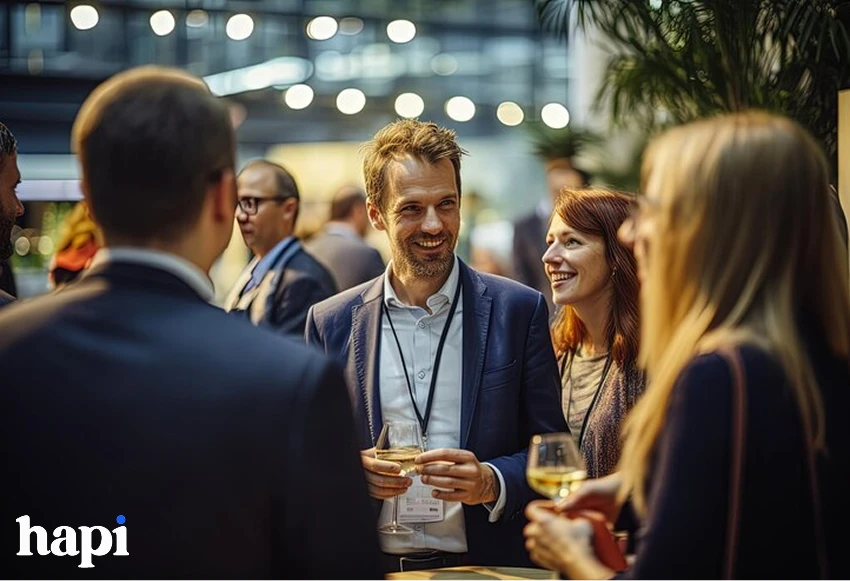
Some of the world’s most prestigious brands are already using social micro-events and reaping the results.
Nike runs small running clubs rooted in communities all over the world. They’re experiences that are built around a lifestyle, association, and brand loyalty. These events have allowed Nike to build a long lasting involvement of the local population.
Puma uses micro styling labs, where small groups of invited guests can try out products, get fashion advice, and comment. These are invitation-only guests, offering the company useful data, while giving the impression of high-end, exclusive surroundings to the guests.
Stripe holds developer meetups for solving real coding problems and swapping API gossip. These are kept small to allow denser technical sharing and build trust between their development community.
Adobe has put micro-workshops into action in order to gather user feedback on creative tools. Instead of sending out bulk surveys, Adobe hears directly and aligns its roadmap based on detailed, hands-on feedback.
Why do they succeed?
Precise targeting: Each event is tailored to a small group.
High-value content: These events offer meaningful insights and genuine interaction, not just casual socializing.
Timely execution: Events occur near launches or community trends.
Where full data isn’t always forthcoming, brands register increased satisfaction ratings, repeat participation, and better product feedback through these micro-event formats. The results indicate a shift in strategy: smaller can be smarter.
Measuring Success & ROI of Micro-Events

One of the biggest advantages of social micro-events is that they’re easier to measure. With fewer variables and a smaller audience, you can quickly view what worked and what didn’t.
Key measures to monitor are:
Cost per attendee: How much it costs to produce each interaction
Net Promoter Score (NPS): How likely visitors are to recommend the experience
Conversions: Sales, sign-ups, or follow-up activities after the event
Post-event engagement: Email opens, feedback forms, social sharing
More targeted events also have more conclusive outcomes. Since the audience is more focused, it’s easier to relate event goals to attendee behavior. You can track behavior in real-time and alter direction without guessing.
Attendees usually take some form of action within 7 days of a micro-event, whether it’s making a purchase, signing up for more content, or referring someone else. That speed and clarity make ROI easier to prove.
With traditional campaigns, it can take months to understand what kind of impact you’ve made. Micro-events bring the results closer, faster, and with more detail.
Challenges & How to Overcome Them
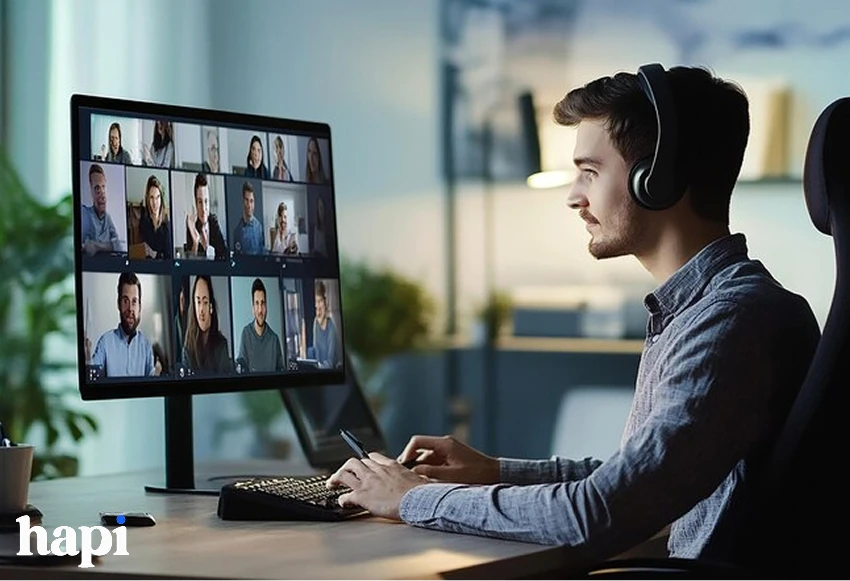
Social micro-events offer many benefits, but they come with their own problems. Managing your budget, finding a venue, managing the tech for hybrid events and pinpointing the perfect audience can be challenging.
The good news is these challenges are manageable by research and focus. For example you can use automation tools to simplify sending invitations and reminders, partner with local vendors or venues to reduce costs and logistics headaches and send highly targeted invites ensuring the right people show up so you can make the event more effective.
Small doesn’t justify putting in low effort, a successful micro event requires thorough planning and goals. If done right the connections and engagements make the extra work worth it.
Conclusion:
Forget scale, micro-events win with precision. In today’s market these events offer an intimate environment to build trust and connections by bypassing the noise and the hubbub a big campaign can bring. You can achieve actual engagement that budget-sucking campaigns fall short on.
If you want to succeed in throwing a social micro event, start very small. Try throwing an event around a related niche and measure audience reaction to your brand, if positive you can develop and scale in confidence knowing that quality always wins over quantity.
FAQ: Why Social Micro-Events Are Winning Over Big-Budget Campaigns
What is a microevent?
It’s a small, focused event designed to make one-on-one connections. They can be in person, virtual, or hybrid and prioritize substance over scale.
What is the difference between macro and micro events?
Macro events are large gatherings aimed at wide audiences with less personal connection. Micro events focus on small, targeted groups with deeper engagement.
How much does it cost to stage a micro-event?
It depends, but they are generally cheaper than big campaigns.
Which industries focus on micro-events?
Fashion, tech, fitness, and SaaS generally depend on micro-events to make experience more personal and engage directly with individuals.
Are micro-events virtual or hybrid?
Micro-events have different formats; they can be virtual, physical, or a mix.