Spotify started as a music streaming service. Today, it has become one of the biggest names in podcasting. The platform hosts over 4 million podcasts and reaches more than 500 million users worldwide.
Creators are leaving other platforms to join Spotify. They are moving from Apple Podcasts, Google Podcasts, and smaller hosting services. This shift is happening for good reasons.
Spotify offers better tools for creators. The platform provides stronger ways to make money. It also gives podcasters access to a huge audience that discovers content in unique ways.
Many factors drive this creator migration. Financial incentives play a big role. Spotify pays creators through exclusive deals and advertising programs. The platform also offers free hosting and advanced analytics tools.
Recent changes in the podcasting world have made platform choice more important. Apple updated its podcast policies. Google shut down Google Podcasts. These changes pushed creators to look for more stable options.
This article explores why creators choose Spotify. We will look at the tools, money-making options, and audience reach that make Spotify attractive to podcasters.
Getting Started with Spotify Podcasts

Creating a Spotify for Podcasters Account
Setting up a Spotify podcast account takes just a few minutes. You need to visit the Spotify for Podcasters website. Click the “Get Started” button to begin.
The platform asks for basic information. You will need your email address and phone number. Spotify requires identity verification for all new creators.
You can connect an existing podcast RSS feed during setup. This option works if you already host your podcast elsewhere. You can also create a brand new show directly on Spotify.
The Spotify for Podcasters dashboard becomes your control center. Here you manage episodes, view analytics, and track earnings. The interface is clean and easy to navigate.
Uploading Your First Podcast
Spotify accepts MP3 audio files up to 200MB in size. The platform recommends using a 44.1kHz sample rate for best quality. Both mono and stereo audio formats work well.
Episode metadata helps listeners find your content. Include a clear title and detailed description. Add relevant tags that describe your podcast topic and style.
Cover art appears when people browse your podcast. Spotify requires 1400×1400 pixel images in JPG or PNG format. Make sure your artwork looks good at small sizes too.
Publishing happens quickly on Spotify. New episodes typically appear within 2-8 hours of uploading. First-time creators may wait 24-48 hours for initial approval.
Cost Structure for Podcasters
Spotify offers free podcast hosting to all creators. This includes unlimited episode uploads and basic distribution. You pay nothing to get started or maintain your podcast.
Free accounts include analytics and monetization features. You can see listener data and earn money from ads right away. Most creators never need to upgrade from the free plan.
Other platforms charge monthly fees for hosting. Apple Podcasts requires separate hosting services that cost $10-50 per month. Google Podcasts is shutting down completely.
Long-term costs stay low on Spotify. Even successful podcasts with thousands of downloads keep using free hosting. This saves creators hundreds of dollars each year compared to other platforms.
Spotify’s Podcast Platform Evolution
From Music to Audio Content Dominance
Spotify bought Anchor in 2019 for $340 million. Anchor became Spotify for Podcasters and provided free hosting tools. This acquisition marked Spotify’s serious entry into podcasting.
The company then spent billions on podcast content. Major acquisitions included Gimlet Media, Parcast, and The Ringer. These deals brought popular shows and production expertise to Spotify.
Platform growth has been impressive. Spotify added 2 million new podcasts in 2023 alone. User engagement with podcast content increased by 35% year over year.
Recent policy changes affected how music fits into talk content. Spotify now limits music clips in podcast episodes. This change helps the platform comply with licensing rules.
Market Position and Competitive Landscape
Spotify holds about 25% of the podcast market globally. Apple Podcasts still leads with roughly 30% market share. However, Spotify gains ground each quarter through better discovery features.
User engagement favors Spotify strongly. Listeners spend 40% more time per episode on Spotify than on Apple Podcasts. This happens because Spotify mixes podcasts with music in user recommendations.
Global reach sets Spotify apart from competitors. The platform operates in 180+ countries and territories. Apple Podcasts covers fewer regions and lacks localization features.
Platform-specific advantages include cross-content discovery. Music listeners find podcasts through Spotify’s algorithm. This creates opportunities that do not exist on podcast-only platforms.
Spotify vs. Apple Podcasts: A Comprehensive Comparison
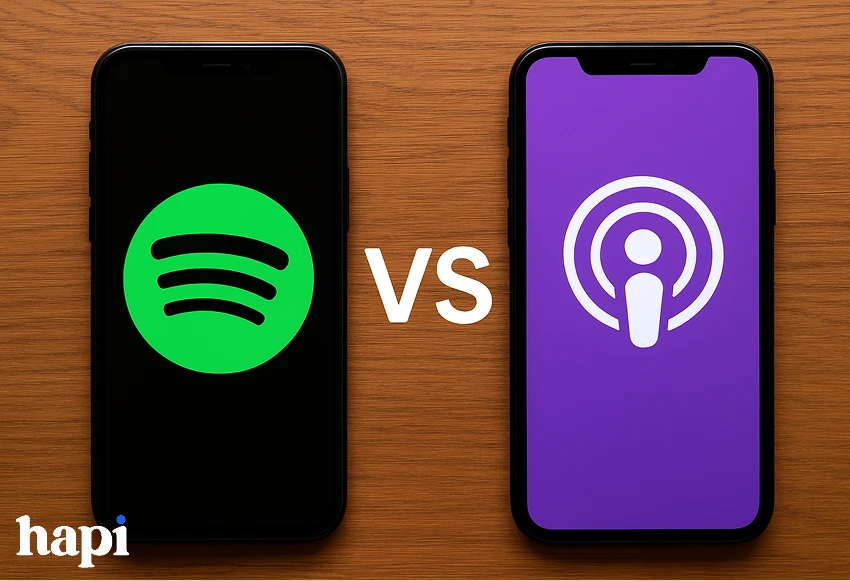
User interfaces differ significantly between platforms. Spotify integrates podcasts with music in one app. Apple separates podcasts into a dedicated app that feels disconnected from other content.
Creator tools heavily favor Spotify. Apple provides basic analytics and no hosting options. Spotify offers detailed listener data, free hosting, and built-in recording tools.
Distribution reach varies by platform. Apple Podcasts performs better on iOS devices. Spotify works equally well across all operating systems and device types.
Content discovery works differently on each platform. Apple relies on charts and editorial curation. Spotify uses machine learning to recommend podcasts based on music listening habits and behavior patterns.
Financial Incentives and Monetization Opportunities
Exclusive Licensing Deals and Creator Fund
Spotify pays huge amounts for exclusive content. Joe Rogan signed a deal worth over $200 million. Call Her Daddy moved to Spotify for a reported $60 million contract.
The Spotify Creator Fund supports smaller podcasters too. Eligible creators receive monthly payments based on listener engagement. This program helps new podcasters earn money while building their audience.
Monetization rates on Spotify exceed most competitors. Creators typically earn $15-25 per thousand ad impressions. Apple Podcasts pays $5-12 for the same audience size through third-party ad networks.
Eligibility requirements for monetization are simple. You need at least 100 followers and recent episode uploads. Most creators qualify within their first few months on the platform.
Advanced Revenue Streams
Spotify Ad Studio gives creators control over advertising. You can create audio ads for your own business. The platform also matches you with relevant advertisers based on your audience demographics.
Subscription features let fans pay for premium content. You can offer ad-free episodes or bonus material to paying subscribers. This creates recurring revenue beyond traditional advertising.
Fan funding tools include tip jars and direct support options. Listeners can send money during episodes or through your podcast page. These micro-payments add up over time for engaging creators.
Case studies show impressive revenue growth. Creators moving to Spotify report 40-60% higher earnings within six months. This increase comes from better ads, larger audiences, and diverse revenue streams.
Analytics-Driven Revenue Optimization
Detailed listener demographics help optimize content for revenue. You can see age ranges, locations, and listening habits. This data helps you create content that keeps audiences engaged longer.
Revenue tracking shows exactly how much each episode earns. You can identify your most profitable content types. The dashboard breaks down earnings by advertising, subscriptions, and fan funding.
Creator dashboard capabilities exceed competitor offerings. Real-time data updates every few hours. You can track trends, set goals, and measure progress toward revenue targets.
Payment structures are transparent and reliable. Spotify pays monthly via direct deposit or PayPal. Minimum payout thresholds are lower than most competing platforms.
Superior Creator Tools and Technology Infrastructure
Podcast Creation and Production Tools
Free hosting includes unlimited uploads for all creators. You never pay storage fees regardless of how many episodes you publish. This removes a major cost barrier for frequent publishers.
You can use your mobile phone or built-in recording tools via your browser to record episodes and interviews. The editing and recording functions on mobile phones may have varying quality based on the model but they are still enough to start your journey with.
You can publish your podcasts all over the world on multiple platforms Apple Podcasts, Spotify, and other platforms with just one click. It’s easy and time efficient compared to traditional submissions.
Plus, popular tools like Hindenburg Pro and Adobe Audition connect directly to Spotify which gives you a smoother workflow.
Advanced Analytics and Audience Insights
Spotify offers real-time data, you can see how many people are currently listening to your episodes right this minute, where your listeners are from and what age group they belong to.
Then there is the audience retention insights like showing you where your listener lost interest and stopped listening, helping you improve your pacing in the future episode. You can also compare each episode’s performance with the others to get a better idea which topics work best for you and your audience.
Comparative analysis tools benchmark your podcast against similar shows. You can see how your growth rate compares to other creators in your category. This helps set realistic goals and identify improvement opportunities.
Custom tracking lets you measure specific goals. Set targets for downloads, followers, or revenue. The dashboard shows progress and suggests actions to reach your objectives faster.
Content Management and Publishing Features
The platform offers automated transcription which boosts your SEO and also makes your podcast accessible to people with disabilities. These transcriptions are a free option and you don’t need to worry about any extra costs.
You can also generate clips and quotes using the creator dashboard and share them to your other social media platforms, giving you an extra push in your promotion efforts. You can schedule posts on different platforms for better reach.
Episode scheduling allows batch uploading and automated publishing. Record multiple episodes and schedule them for future release. This helps maintain consistent publishing schedules even during busy periods.
Multiple show management works from a single dashboard. Creators with several podcasts can manage everything in one place. Cross-promotion between shows becomes easier with integrated tools.
Audience Reach and Discovery Advantages
Algorithm-Powered Content Discovery
Spotify’s algorithm recommends your podcast to people who enjoy the same genre of music that you use in your episodes, discuss or have related topics with. Let’s say you have a podcast about spooky stories, it might get recommended to people who listen to Wednesday’s theme song and playlist. This is a major benefit compared to podcast only platforms.
Your podcast can get added to playlists alongside music tracks. Spotify offers themed playlists that mix both music and podcasts. Adding another boost in the possibility of reaching music focused people.
Algorithm optimization requires understanding how Spotify ranks content. Consistent publishing schedules help. Strong episode titles and descriptions improve discoverability. Audience engagement signals like completion rates boost recommendations.
Global User Base and Market Penetration
With 180+ countries and territories worldwide, your podcast can reach international audiences automatically. Other platforms have limited global reach and poor localization features.
Regional marketing tools help target specific countries or languages. You can see which regions drive the most growth. Spotify promotes relevant local content to users in different markets.
Success stories include podcasts growing from 1,000 to over 100,000 listeners through Spotify discovery alone. The platform’s algorithm identifies promising content early and promotes it to relevant audiences.
Language support includes automatic translation features. Episode titles and descriptions can appear in multiple languages. This helps podcasts reach audiences beyond their original language market.
Social Sharing and Viral Potential
Native social media sharing creates engaging posts automatically. Listeners can share specific moments from episodes with custom graphics. These posts drive traffic back to your podcast and increase discovery.
Spotify Wrapped now includes podcast statistics alongside music data. Listeners share their favorite podcasts at year-end, creating viral marketing opportunities. This feature generates millions of social media posts annually.
User-generated content tools let fans create and share clips. Popular moments from your podcast can spread across social media platforms. This organic promotion reaches audiences you could never target directly.
Cross-platform promotion strategies work better with Spotify’s integrated approach. Music and podcast content can cross-promote effectively. Collaborations with musicians become easier through the shared platform ecosystem.
Exclusive Features and Platform Benefits
Video Podcast Capabilities
Video hosting and streaming infrastructure support both audio and visual content. Upload video podcasts alongside traditional audio episodes. The same audience can choose their preferred format for each listening session.
Enhanced engagement comes from visual elements and body language. Viewers stay engaged longer with video content. This leads to better audience retention and higher advertising rates for creators.
Technical requirements for video are straightforward. MP4 files up to 1GB work well for most episodes. Recommended resolution is 1080p, though 720p provides acceptable quality for most viewers.
Best practices include good lighting and stable camera positioning. Audio quality remains more important than video production value. Focus on clear sound first, then improve visual elements over time.
Interactive Features and Community Building
Comment sections build community around your podcast episodes. Listeners can discuss content and connect with each other. Active comment sections increase engagement and help episodes rank higher in recommendations.
Live streaming capabilities enable real-time audience interaction. Host live Q&A sessions or broadcast special events. Live content often reaches larger audiences and creates stronger connections with regular listeners.
Community moderation tools help maintain positive discussion environments. You can remove inappropriate comments and highlight valuable contributions. Well-moderated communities attract more engaged and loyal listeners.
Integration with Spotify Ecosystem
Music and podcast cross-promotion creates unique collaboration opportunities. Musicians can appear on podcasts and vice versa. These partnerships introduce audiences to new content types and creators.
Enhanced discoverability works through Spotify’s unified recommendation system. Popular music content can boost podcast visibility. Successful podcasts can help promote related musical artists and genres.
Collaborative content opportunities exist within the platform ecosystem. Multiple creators can work together on projects. Shared audiences and cross-promotion make collaborations more effective than on separate platforms.
The Listener Experience on Spotify
Free vs. Premium Access for Podcast Listeners
Podcasts on Spotify can be free or paid, free users have to suffer through ads and can only download on mobile but premium users have unlimited skips, offline downloads on all devices, and cross-platform sync.
Multi-device Listening and Synchronization
Cross-platform listening experience works seamlessly across devices. Start an episode on your phone and continue on your computer. Progress syncs automatically so you never lose your place.
Bookmarking and progress tracking help listeners manage multiple podcasts. They can easily return to partially-finished episodes. This convenience encourages people to subscribe to more podcasts and listen more frequently.
Device compatibility includes smartphones, computers, smart speakers, and cars. Wide compatibility means your audience can listen anywhere. This increases total listening time and improves audience retention rates.
Technical Requirements and Best Practices

Audio Quality Standards
Recommended recording equipment includes a decent USB microphone and quiet recording space. You do not need expensive studio gear to create professional-sounding podcasts. Focus on consistent audio levels and minimal background noise.
Audio formatting should use MP3 files with 128kbps or higher bitrate. WAV files work too but create larger uploads. Consistent volume levels across episodes help listeners enjoy a smooth experience.
Quality control checklist includes listening to your entire episode before uploading. Check for audio issues, long pauses, or technical problems. Consistent quality builds audience trust and encourages regular listening.
Publishing Workflow Optimization
Content calendar management helps maintain regular publishing schedules. Plan episodes weeks or months in advance. Consistent scheduling improves algorithm performance and audience expectations.
Batch production techniques save time and improve efficiency. Record multiple episodes in single sessions. This creates consistent audio quality and reduces setup time between episodes.
Implementing consistent metadata strategies helps with discovery. Use similar formatting for titles and descriptions. Include relevant keywords that help people find your content through searches.
Compliance and Content Guidelines
Spotify does have strict content policies, they’re strongly against any type of hate speech and copyright violations. Since violations can get you permanently banned it’s better to familiarize yourself with the guidelines before submitting any episodes publications.
If you want to use music in your episodes for a more fun listening exprience, pay attention to the licensing requirements. Short clips may be ok under the fair use law, but longer segments need licensing. If you are doubting whether or not your music use can be copyrighted then it’s better to avoid using it entirely.
Today’s audience expects content warnings, failure to put warnings about explicit language or sensitive topics in your description may land you the wrong audience or an extremely upset listener. Do yourself a favor, take the extra minute for putting content warnings to help your podcast find the right audience and avoid complaints.
Challenges and Considerations
Platform Dependency Risks
Exclusive content lock-in can limit your options if you want to leave Spotify later. Read contract terms carefully before accepting exclusive deals. Maintain ownership of your content when possible.
Revenue sharing model limitations mean Spotify takes a percentage of advertising income. However, the platform provides hosting, distribution, and audience development in return. Compare total value rather than just revenue splits.
Diversification strategies help reduce platform dependency risks. Maintain presence on multiple platforms when possible. Build direct relationships with your audience through email lists and social media.
Competition and Market Dynamics
Apple Podcasts maintains strong performance on iOS devices due to default app installation. iPhone users often discover podcasts through Apple’s platform first. However, Spotify’s discovery features can attract these listeners over time.
Emerging platforms continue to enter the podcasting market. YouTube has increased focus on podcast content. TikTok and other social platforms also compete for audio content creators and audiences.
Multi-platform publishing strategies help maximize reach across different audiences. Use Spotify as your primary platform while maintaining presence elsewhere. This approach captures listeners regardless of their preferred platform.
Future of Podcasting on Spotify
Emerging Technologies and Features
Use AI to your advantage to speed up the process, automate editing, transcription and trend findings. You can also use AI to make and schedule your social media posts.
Spotify’s demographic data and interest-based recommendations will improve your engagement rates alongside your monetization opportunities.
You can use mixed media to spice up the normal routine and to create new revenue and engagement opportunities. For example, turn a part of your podcast to a TikTok or Instagram reels.
Creator Opportunities and Trends
Popular podcast categories like wellness, education, and niche hobbies are the perfect opportunities if you are just starting out. Make sure to research trends and related topics before diving in.
You should also focus more on the international market specially the non-English ones, since it is less saturated, you have a higher chance of success.
Conclusion
With their free hosting, advanced analytics, strong monetization tools, and global audience reach, Spotify is now one of the leading platforms. You can expect high ad rates, exclusive deals and multiple revenue streams if you choose to go with Spotify for your podcasting adventure.
This is the best they offer for now but the company keeps investing on its own growth via improving their creator tools, technology and content which makes it one of the most creator-friendly environments in the industry.