Who would’ve thought offering free products can work better than most traditional marketing strategies with a whopping 34% increase in brand awareness? Brands and influencers use freebies to make the audience excited, get them engaged in the comments and gain followers fast; it’s like a win-win deal: you get measurable positive results and the audience gets free stuff.
In this guide we explain why giveaways work, what’s the science behind giveaways and what strategies give the best results. By the end you will know how to get started and which platforms are ideal for your campaigns.
Giveaways can be just the strategy you need to transform your marketing results, they work for both creators who receive freebies or brands that give out freebies and want to expand their reach.
The Psychology Behind Freebie Marketing
Consumer Behavior and Free Products
Loving free things is hard wired into our brains, it’s called the reciprocity principle, meaning: when someone offers something for free you naturally want to give something of equal value back.
This is the best marketing opportunity, your audience would owe you a purchase! Customers who receive freebies with their purchase will walk away feeling happy and more satisfied with their decision, they’re gonna want to buy products, leave reviews, and recommend the company to friends.
When a limited offer is presented, the brain unconsciously goes into FOMO mode, it doesn’t want you to miss out on something valuable and free.
This anticipation of winning releases a strong dopamine dose. This feel-good chemical keeps people engaged throughout the giveaway period. Even if they don’t win, participants remember the positive feelings associated with your brand.
Understanding Freebies in the Creator Economy
What Exactly is a Freebie on Instagram and Other Platforms?
A freebie is any free product, service, or content given to creators in exchange for exposure or content creation. These aren’t the same as paid sponsorships where money changes hands.
Freebies can include physical products, digital services, exclusive access, or promotional codes. Brands send these items hoping creators will feature them in their content naturally.
The value exchange is simple. Creators get products they want or need. Brands get authentic content and exposure to new audiences. A fair deal ensures that both sides are beneficial.
Most common freebie categories are:
- beauty products
- clothing
- tech gadgets
- books
- courses
- subscription services
It’s important to find which product matches your audience the best.
The Freebie Ecosystem Across Platforms
Different platforms foster unique freebie cultures, with specific content formats and product categories performing best. The table below highlights how each channel fits into the freebie ecosystem.
| Platform | Content Style That Works Best | Best Product Categories |
| Unboxing posts, styled product shots, reels, story features | Beauty, fashion, lifestyle | |
| TikTok | Entertaining short-form videos, viral product seeding, authentic reactions | Beauty, skincare, affordable lifestyle items |
| YouTube | In-depth unboxings, reviews, tutorials, product comparisons | Tech, beauty, gaming, home gadgets |
| Blogs / Websites | Long-form written reviews, product testing over weeks, SEO-driven content | Tech, wellness, home goods, niche products |
Your niche and the type of products you are trying to offer is what determines the best platform for you. The best strategy is expanding on 2 or more platforms to acquire both the short term reach (TikTok, Instagram) and the long term trust and SEO value (YouTube, blogs).
How Creators Get Free Products (Direct Outreach & Platforms)
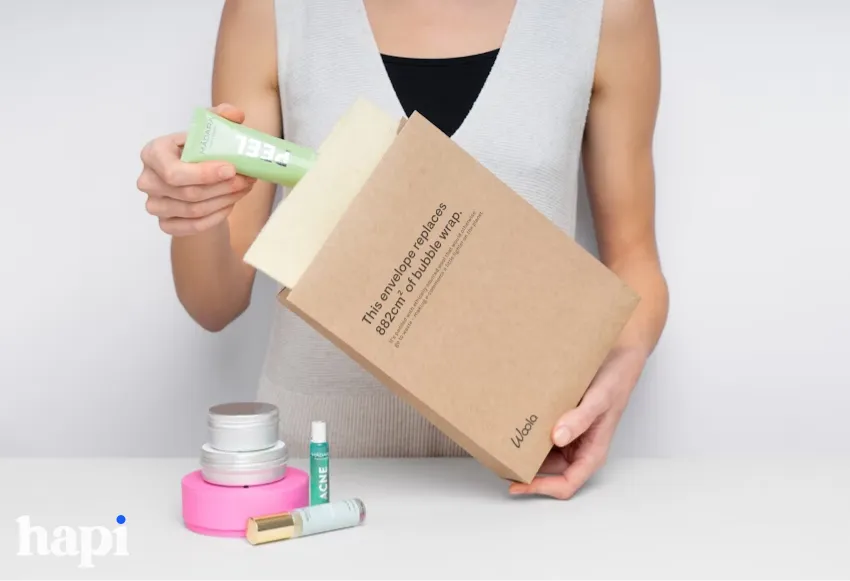
Content creators can receive free products either through brands or by joining organized platforms and ambassador programs. Both steps require professionalism, honesty, and consistency.
1. Build a Strong Creator Profile
- Define your niche: Specialize in a niche topic and audience so that brands know exactly who you reach.
- Create a media kit: Highlight numbers (followers, engagement, demographics) and illustrate best content.
- Show credibility: Build a portfolio of past collaborations, even smaller ones, to prove reliability.
- Be consistent: Post regularly and engage authentically with your audience.
2. Research and Outreach
- Target compatible brands: Match with companies whose customers overlap with your audience.
- Check for influencer activity: Look for brands already working with creators — they’re more open to collabs.
- Leverage matching platforms: Leverage platforms that automatically match creators with brands.
- Stay authentic: Only pitch products you’d genuinely use; followers notice sincerity.
- Write effective outreach: Personalize messages with key stats, and suggest creative content ideas. Keep it concise, and follow up once if needed.
3. Product Testing Platforms
- Influenster (VoxBox): Popular in the U.S.; active community participation boosts selection chances.
- BzzAgent: Focuses on word-of-mouth campaigns; selects participants for influence in niche groups.
- Social Nature: Specializes in organic, wellness, and sustainable living products.
- Home Tester Club: UK/Europe active; offering household, food, and beauty testing..
- Category-specific sites: Many for tech, beauty, and fashion niches, look into ones applicable to your niche.
Tip: Follower counts are less significant than quality and consistent views. Most sites only approve 10 to 30% of requests, with average product values being $50 to 200 per campaign.
4. Brand Ambassador Programs
- Ongoing relationships: Ambassadors receive regular product access and sometimes paid roles.
- Requirements: Usually based on demographics, content quality, and alignment with brand values.
- Balance commitments: Don’t overload your content with too many partnerships.
- Path to paid: Strong ambassador performance often evolves into paid collaborations over time.
Types of Giveaway Strategies for Different Goals
Social Media Giveaways
- Instagram photo contests: branded hashtags encourage UGC, resulting in a boost in engagement and organic reach.
- TikTok challenges: Trends or dances drive viral participation.
- Facebook engagement contests: Focus on comments, shares, and reactions to raise community activity.
- Twitter retweet/follow campaigns: Maximizes reach quickly, it is great for launches and time-sensitive news.
Email List Building Giveaways
- Lead magnets: Offer incentives for email signups to create your subscriber base.
- Newsletter incentives: Attract subscribers who genuinely connect with your content.
- Webinar registration giveaways: Boost attendance by offering educational content.
Product Launch & Awareness Campaigns
- Pre-launch buzz giveaways: Create excitement with advance access or VIP-only contents.
- Influencer collabs: Combine creator audiences to achieve greater reach.
- Cross-brand partnerships: Collab with complementary brands to offer better prizes and achieve double the exposure.
Customer Retention & Loyalty Programs
- Exclusive member rewards: Treat loyal customers like VIPs with VIP-only giveaways.
- Referral programs: Reward word-of-mouth expansion.
- Anniversary/milestone contests: Celebrate brand milestones while strengthening emotional connections.
You can grow your email list by an average of 700% by a well executed giveaway. Famous brands like Glossier, MrBeast, and Starbucks showcase how community contests or large scale challenges can impact growth.
Platform-Specific Giveaway Strategies and Viral Growth
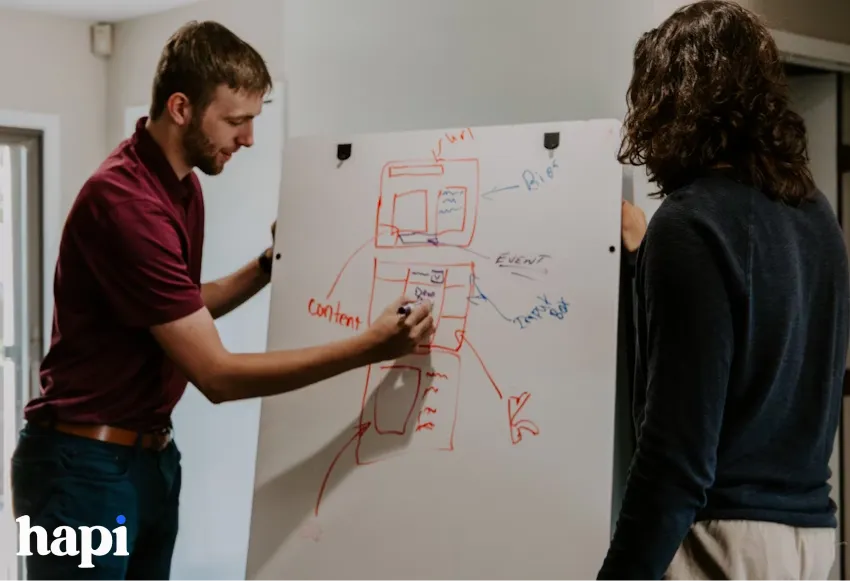
Giveaways succeed where they tap into platform dynamics and psychographic responses. Social sharing, user-generated content, and fans’ passion generate organic reach far beyond traditional advertising. Brands see a 34% increase in brand awareness through giveaways, and 70% of customers are willing to recommend brands with freebies.
- Reels for reach: Video giveaways reach far more users than static posts.
- Story highlights: Keep promotions visible beyond the 24-hour limit with branded highlight covers.
- Collaboration tools: Partner with other accounts for seamless co-hosted giveaways.
- Hashtags: Mix popular contest tags with niche-specific ones for discoverability.
Good to know: Instagram giveaways have 3.5x more likes than regular posts.
YouTube
- Milestone celebrations: Reward subscribers while attracting new ones.
- Video transparency: Explain prizes and entry requirements clearly to build trust.
- Community tab: Post updates between uploads to keep momentum.
- Live streams: Announce winners in real time to boost authenticity and engagement.
Good to know: There is an average of 15% channel growth rate during giveaways.
TikTok
- Trending hashtags: Boost discoverability through current viral trends.
- Duets & collabs: Encourage user-generated content that spreads organically.
- Timing: Post when your audience is most active to maximize algorithm boosts.
- Creator Fund synergy: Eligible posts can generate revenue while building audience.
Email & Website
- Landing pages: Keep entry forms clean and distraction-free.
- Automated sequences: Nurture participants with reminder and follow-up emails.
- Exit-intent popups: Capture visitors who might otherwise leave without entering.
- Cross-platform promotion: Drive traffic from social, website, and email for maximum reach.
Case Study: Dollar Shave Club
The brand reached millions of followers by utilizing viral giveaways filled with humor, practical prizes and easy sharing mechanics which proves that giveaways drive community led growth.
The Brand Perspective: What Companies Look For
Evaluating Creator Partnerships
Audience alignment matters more than follower count for most brands. They want creators with followers to match their target customer demographics closely.
Engagement rates indicate how actively followers interact with creator content. High engagement suggests authentic influence over audience purchasing decisions.
Content quality and brand safety considerations protect company reputation. Brands research creator content history before forming partnerships.
ROI expectations for product gifting vary by industry and product value. Brands typically expect content worth 3 to 5 times the product cost.
What Makes Brands Say Yes
Authentic enthusiasm for products comes through in creator content and communications. Genuine interest produces better results than forced promotions.
Creative content ideas beyond basic unboxings show strategic thinking and marketing understanding. Brands appreciate creators who think like partners.
Long-term relationship potential is more valuable than one-off collaborations. Brands prefer building ongoing partnerships with reliable creators.
Clear value propositions help brands understand exactly what they’ll receive from partnerships. Specific deliverables and timelines build confidence.
Research has shown that 76% of brands consider engagement rate over follower count when selecting creators. The average ROI is 5.2 times investment while working with micro-influencers.
Legal Considerations and Compliance
FTC Guidelines & Disclosure
- Use clear hashtags: #ad, #sponsored, or #giveaway.
- Provide comprehensive terms & conditions: eligibility, entry methods, prize details, and winner selection.
- Include age restrictions and geographic limits.
- Consider international law differences for global giveaways.
Platform-Specific Rules
- Instagram: Follow promotion guidelines; avoid tagging users inaccurately.
- Facebook: Run the contests on business pages, not personal timelines.
- YouTube: Follow community standards; avoid spam or misleading content.
- Be aware that skill-based contests differ legally from pure chance giveaways; lottery laws may apply.
Privacy & Data Protection
- Follow GDPR (The General Data Protection Regulation) for international participants.
- Only collect necessary data and make sure to safely secure it..
- Explain the winner verification process clearly and fairly.
- Be transparent about how participant information will be used.
Maximizing Value from Gifted Products
Getting free products is just the starting point the real value comes from creating engaging content and proving measurable results.
1. Content That Performs
- Unboxing & First Impressions: Generate excitement and curiosity, especially on YouTube and Instagram Stories.
- Before/After Demonstrations: Highlight benefits to build trust.
- Honest Reviews: Share both praise and constructive criticism to show credibility .
- Tutorials & How-Tos: Provide educational value while naturally showcasing the product.
- Multi-Format Strategy: Repurpose one product across posts, reels, stories, and longer videos to maximize output.
- Platform Optimization: Tailor messaging and format to each channel for best results.
Stat: Unboxing videos receive 42% higher engagement than standard reviews. Authentic critiques boost audience trust by 64%.
2. Balancing Authenticity with Brand Needs
- Stay honest but respectful: Share limitations tactfully, focusing on “who it’s for” vs. “what it lacks.”
- Set expectations early: Align review style and audience fit before committing.
- Negotiate creative freedom: Authentic content consistently outperforms scripted promotions.
- Blend into everyday content: Incorporate products naturally instead of only doing stand-alone reviews.
3. Measuring ROI and Campaign Success
- Key Metrics:
- Follower growth and engagement quality
- Website traffic & conversion rates
- Brand mentions, hashtag use, and user-generated content
- Email subscribers gained and acquisition cost
- Follower growth and engagement quality
- Long-Term Impact:
- Customer lifetime value from giveaway participants
- Retention rates of new followers post-campaign
- Increases in brand awareness, reach, and impressions over time
- Customer lifetime value from giveaway participants
Well-executed campaigns average a 5:1 ROI. 78% of brands report lasting growth from giveaway marketing.
4. Tools & Analytics
- Native Insights: Instagram, TikTok, YouTube dashboards for reach and engagement basics.
- Advanced Tools: Hootsuite, Sprout Social, Google Analytics, Brand24 for cross-platform performance.
- Data-Driven Optimization: Use A/B testing (different prize types, entry methods, posting times) to refine future campaigns.
Scaling up from Freebies to Paid Partnerships
Free collaborations are good stepping points, but sustained growth comes from monetizing them. Brands look for measurable returns, professionalism, and creators who behave like long-term partners.
Proving Value and Building a Case
- Track results: Document engagement, reach, conversions, and other metrics from every free collaboration.
- Show ROI: Present case studies that prove how your content drives results.
- Offer pricing tiers: Create clear deliverable packages for different budgets.
- Pitch strategically: Structure proposals that highlight exactly what brands gain in return for their investment.
Negotiating Fairly
- Ask when ready: Request payment once your metrics demonstrate clear value.
- Focus on mutual benefit: Frame conversations around results you deliver, not personal need.
- Be flexible but firm: Handle objections by adjusting deliverables, while maintaining your worth.
- Protect both sides: Use contracts with clear terms to prevent misunderstandings.
Growing Long-Term Partnerships
- Communicate proactively: Share regular updates and performance reports.
- Exceed expectations: Overdeliver whenever possible to encourage repeat work.
- Expand roles: Move into ambassador or affiliate programs that provide ongoing revenue.
- Co-create strategically: Develop exclusive product lines or collaborations for deeper brand alignment.
Research shows 68% of creators who consistently deliver results transition to paid partnerships within six months. On average, compensation triples after three successful free collaborations.
Common Mistakes and How to Avoid Them
Targeting and Audience Misalignment
- Choose prizes relevant to your target demographic — generic prizes attract “prize hunters” rather than potential customers.
- Avoid fake engagement by offering niche-specific rewards.
- Focus on follower quality over fast growth; misaligned audiences lower engagement rates.
- Brands also avoid creators with suspicious audience metrics (fake followers or inflated engagement).
Execution and Technical Issues
- Write clear rules and entry requirements to prevent disputes during winner selection.
- Announce winners and deliver prizes on time; delays damage trust and credibility.
- Promote across multiple channels — inadequate promotion limits reach and participation.
- Invest in strong visual design; poor graphics reduce participation.
- Inconsistent posting schedules suggest lack of professionalism and discourage brands from working with you.
Communication and Professionalism
- Respond promptly and respectfully during outreach and collaborations; poor communication signals potential partnership problems.
- Maintain brand safety: avoid controversial or misaligned content that could harm your reputation or the brand’s.
Post-Giveaway Engagement Decline
- Develop follow-up strategies to maintain momentum after contests. Keep new followers engaged with fresh content.
- Announce winners publicly and showcase prize delivery to build credibility.
- Nurture participants with follow-up campaigns to turn them into long-term customers or followers.
Statistics show that 43% of giveaways fail to achieve goals due to poor planning and execution.
Conclusion
Freebie marketing is a very powerful growth strategy for brands and content creators, affecting engagement and outcomes when executed mindfully. Success depends on planning and actual implementation. Don’t worry about raising your follower count or fattening your email list, just focus on building real value.
Future trends favor specific, customized giveaways, with companies looking for creators who offer genuine interaction rather than simple followers. Start with one or two of the aforementioned methods that will work for your goals, slowly build results. Long-term development stems from balancing expansion and authenticity. People don’t care if you are promoting freebies or collaborating in paid partnerships as long as they see honest passion and opinions.
FAQ Section
How often should brands run giveaways to maximize growth without appearing desperate?
For major giveaways go with quarterly timing and for mini giveaways go with weekly or monthly timing.
What’s the ideal prize value for maximum engagement without breaking the budget?
2 to 5% of your monthly marketing budget should be enough, or $100 to $500.
How can small creators compete with big brands in giveaway marketing?
By using niche prizes, collaborating and focusing on personal connection to encourage UGC (User Generated Content)
What are the most effective entry requirements to balance growth and engagement?
Follow (40%), tag 2–3 friends (35%), share to stories (25%). Keep actions ≤3 to prevent drop-off.
How long should giveaways run for optimal participation and reach?
7–14 days. Short for trends, longer (2–3 weeks) for email building or complex entries.