What if you could get your fans to promote your product or services for free 24/7 from anywhere in the world they are from?
That is essentially what the ambassador programs offer businesses and the reason why they are one of the fastest growing marketing strategies in this digital age. Traditional ads and billboards are no longer relevant to the new generation and the ever changing nature of social media algorithms require constant effort and research. Amongst the chaos one thing remains the same and that is the real people that use what you are selling.
Word of mouth inherently is more trustable than any ad you could ever come up with, which is why social proof and community driven influence has become the backbone of any ad campaign in every single industry.
In this article, you’ll learn:
- What ambassador programs are
- The different types of ambassador programs
- The benefits of these programs
- How big brands like Nike and Sephora have created wild success with their programs
We’ll also provide you with a clear, step-by-step guide to get you started on building your own program.
By the end of this article, you’ll understand how ambassador programs help boost engagement, and long-term revenue. We’ve combined research,various case studies and long proven marketing practices to make the ultimate guide for you.
What is an Ambassador Program?
Ambassador programs are strategic marketing programs that brands organize to get real people to promote, share and advocate a product or the service of a brand for a long period of time. These programs usually target:
- Individuals-customers
- Employees
- Influencers
- Students
- Members of some niche community
Ambassador programs aim to build long term relationships which is where influencer campaigns usually fall short on.
For a successful program the ambassadors must be community focused, always online and frequently create content in a natural manner that engages their audience and does not feel like a one-off sponsored post. Like talking about the product in a live and answering any questions regarding the product, showing themselves using the product in their day to day life for a long period of time and casually mentioning the product or showing it off in their daily routine.
Ambassadors share genuine experiences, consume products on a regular basis, and organically weave the brand into conversations. This makes the strategy feel far more organic than paid ad placements.
Types of Ambassador Programs
- Customer / casual ambassador programs — Everyday users who genuinely love the brand.
- Influencer / celebrity-based ambassador programs — Public figures with reach and authority.
- Employee ambassador / corporate advocacy programs — Staff who share workplace culture and brand values.
- Student / campus ambassador programs — College representatives who promote within their communities.
- Hybrid / multi-tiered programs — A mix of influencers, customers, employees, and niche groups.
Why does this matter? Well, ambassador programs are highly flexible. Whether you’re a startup, mid-sized, or global brand, the model can scale to your goals.
Stat to know: 84% of consumers trust recommendations from people they know over ads. This is exactly the kind of trust ambassadors are built to deliver.
Example: Nike uses a hybrid program combining influencers, athletes, and loyal everyday customers in a layered approach that strengthens visibility across audiences.
Why Ambassador Programs Work: Benefits & Business Impact
Ambassador programs work because they run on a very strong, even universal, truth: people trust people more than ads. When an influencer, Instagrammer or celebrity that you faithfully follow or just are generally aware of, talks about a product or mentions they use a product, it will feel natural and real.
Key Benefits of Ambassador Programs
- Authenticity and Trust: Real experiences tend to connect more with the audience than curated and professionally filmed advertising.
- Cost-effective marketing: Compared to paid campaigns, ambassador programs cost less per acquisition.
- Improved brand awareness & reach: Ambassadors can improve your reach via their own community organically.
- Higher engagement & conversions: Ambassador led marketing programs are known to increase engagement by 40%.
- Long-term brand loyalty & retention: Community building can lead to a sense of loyalty or ride or die within the customers. You can expect repeated purchases from a loyal community.
- Scalability & flexibility: It is easy to start small with only one ambassador and after seeing results invest in more ambassadors with bigger communities.
Influencer-only vs. Ambassador Programs
Influencer campaigns are short-term, transactional, and often highly polished.
Ambassador programs, on the other hand, emphasize longevity, authenticity, and deeper brand alignment. Ambassadors stay connected for months or years, creating more consistent engagement.
Real-world example
The Sephora Squad is one of the best-known ambassador programs. It drives massive user-generated content, fosters community, and amplifies authentic product reviews, all while reinforcing Sephora’s inclusive brand identity.
Real-World Case Studies: How Big Brands Use Ambassador Programs
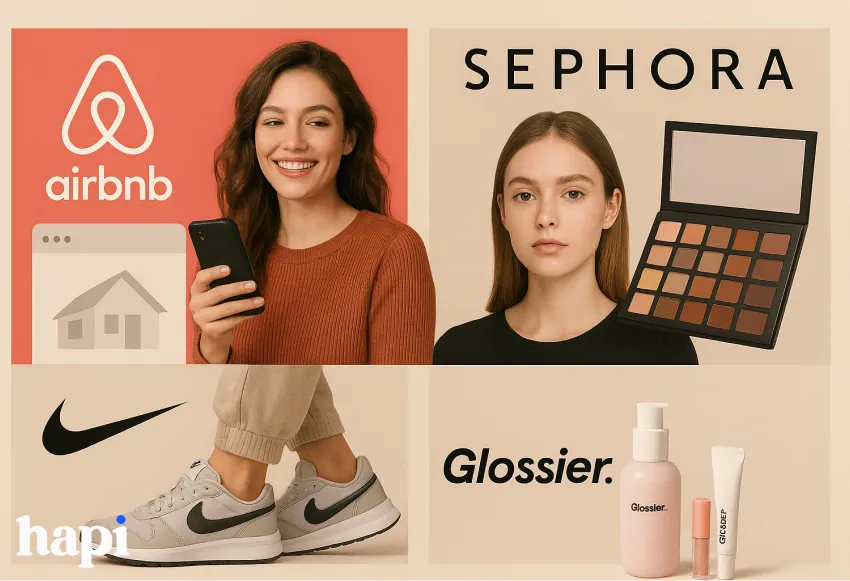
To understand the power of ambassador programs, let’s look at how major brands use them to drive growth, content creation, and engagement.
Brand Comparison Table
| Brand | Program Name / Type | Ambassador Type | Key Activities | Reported Results |
| Airbnb | Host Ambassador Referral Program | Real users (hosts) | Referrals, storytelling, community support | Massive growth through peer trust and referrals |
| Sephora | Sephora Squad | Influencers + loyal customers | Authentic reviews, tutorials, community-driven content | Increased engagement, strong UGC pipeline |
| Nike | Nike Ambassador / Athlete Program | Athletes, influencers, loyal customers | Long-term brand representation, lifestyle promotion | Major brand visibility and cultural influence |
| Glossier | Glossier Reps | Everyday customers + nano-influencers | Referral links, product recommendations, social content | Rapid revenue growth and cult-like community |
Key Takeaways
- Adaptable across industries: No matter what industry you are active in, you can benefit from an ambassador program. Travel, beauty, sportswear, lifestyle, Tech and many other industries are receptive to ambassadors.
- Authenticity wins: Programs focused on the community always outperform high budget ads and campaigns.
- Referral-driven programs are measurable: Referral codes and links make it easy to track performance.
- Ambassadors strengthen brand identity: Programs help brands feel more human, relatable, and consistent across channels.
How to Build Your Own Ambassador Program? Step-by-Step Guide
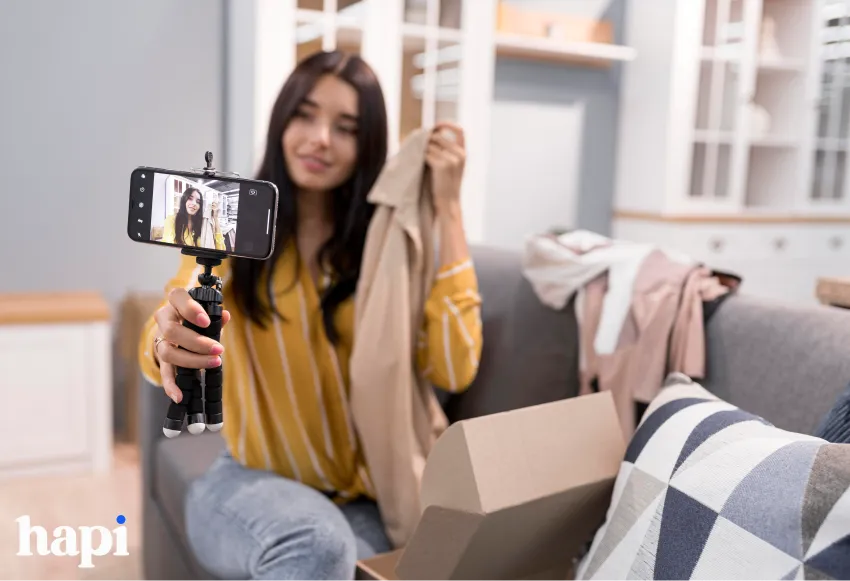
Want to create your own ambassador program? Follow these easy steps to get started.
- Define Goals & Ambassador Type
Before looking for your brand ambassador, make sure you are clear on what you want to achieve:
brand awareness?
Conversions?
User generated content?
Community building?
After you choose your goal you can move on to choose the type of ambassador that best benefits your goals; it can be your customers or it can be an influencer active in your niche or you can try to go with a hybrid approach.
Whatever you pick should match your brand values and target audience.
- Recruit & Onboard Ambassadors
Recruit based on clear criteria:
- Engagement level
- Brand alignment
- Authentic interest
- Communication style
Once selected, provide strong onboarding:
- Welcome kits or brand guidelines
- Content templates
- Referral codes or affiliate links
- Clear expectations
Offer incentives such as discounts, exclusive perks, early product access, or commissions.
- Provide Structure & Support
Ambassadors thrive when they have structure. Set clear expectations for:
- Content frequency
- Brand voice and messaging
- Types of deliverables (posts, videos, referrals, events)
Use tools to track performance, anything from dedicated ambassador platforms to spreadsheets. Encourage storytelling rather than scripted promotions. Remember that authenticity always wins.
Measure Success: KPIs & Metrics
Choosing the right metrics helps you optimize your program. Consider tracking:
- Engagement rate
- Referral sales
- Conversion rate
- Customer lifetime value (CLV)
- Cost per acquisition (CPA)
KPI Table
| KPI | Description | Example Metric |
| Engagement Rate | Interactions on ambassador posts | Likes/comments per post |
| Referral Sales | Revenue driven by ambassadors | $X via referral links |
| Conversion Rate | % of audience taking action | 5–12% conversion |
| CLV | Value of customers acquired via ambassadors | $200 lifetime value |
| CPA | Cost per customer | $10–$20 per conversion |
Common Pitfalls & How to Avoid Them
- Over-relying on gifts or discounts instead of building genuine community
- Choosing ambassadors solely based on follower count
- Poor communication or unclear expectations
- Lack of tracking tools or performance metrics
- Ignoring legal/compliance requirements (disclosures, affiliate rules)
Conclusion
If you are looking for a flexible but effective marketing strategy that can help drive up your engagement then ambassador programs are currently the best option. No matter your goal in your campaign, ambassadors can help you showcase the positive feedback of real people which is what consumers trust the most.
You don’t need to be a large conglomerate to start implementing ambassador programs. You can achieve real results and create brand loyalty by:
- Setting clear goals
- Choosing the right ambassador
- Tracking results
Real voices build trust. Ambassador programs simply harness that power.
FAQs
How much does Gucci pay ambassadors?
It differs based on contract and the type of ambassador the brand chooses. It can be anywhere from simple commissions to 6 figure deals depending on the reach of the chosen ambassador.
What is the role of an ambassador?
The main job of an ambassador is driving referrals by creating engaging content that shows their authentic experience.
Are ambassador programs paid?
All ambassador programs are paid in some form or shape. Some offer real money while others might offer discounts or free products in exchange.
How to set up an ambassador program?
Set goals
- Choose ambassador types
- recruit and onboard your ambassador
- provide guidelines
- track performance
What is an ambassador program?
It’s a marketing strategy that uses an ambassador to drive sales and brand recognition amongst communities.