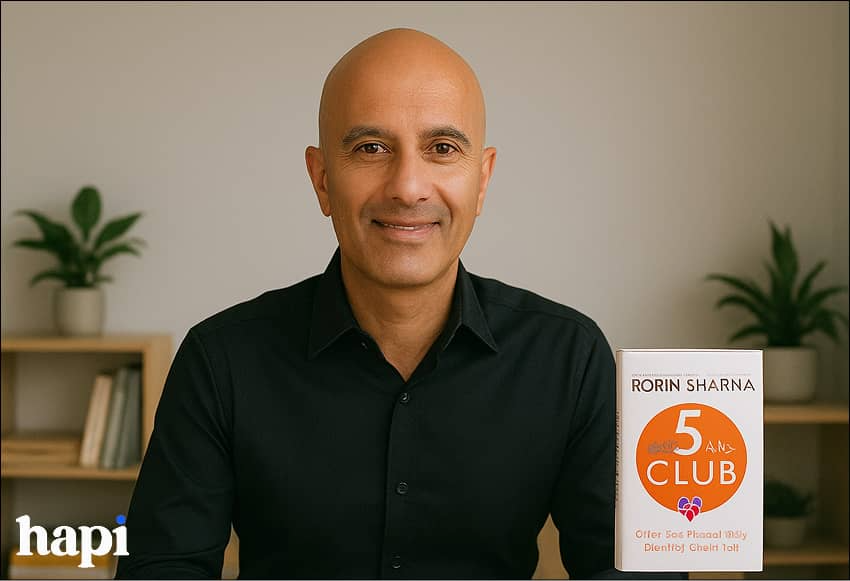
“The moment you take responsibility for everything in your life is the moment you can change anything in your life.” This quote is why Robin Sharma is now one of the world’s most trusted voices in personal growth and leadership.
Robin Sharma managed to build an influential empire only by helping people realize their true potential. His influence spans continents in the shape of leadership development programs and individual development methodologies. Through his best-selling books and speeches, Sharma has inspired millions of people worldwide.
Robin Sharma turned into the most phenomenal guru of self-mastery using scientifically established techniques that harmonize historic philosophy with modern science. His models allow people to develop amazing results in their professional and personal lives.
In this article, we will explore Sharma’s philosophy, techniques, and practical methods. You will discover how his principles can transform your routines and long-term success.
Who is Robin Sharma? The Journey from Lawyer to Global Leadership Icon
The Journey Before the Ferrari
Canadian Robin Sharma learnt the true depth of human potential growing up in a middle-class family. His parents drilled him on the importance of education and personal accountability. He found out that with determination and hard work anything is possible.
He obtained a law degree and became an accomplished litigation attorney. Even professionally successful he was unhappy in life. This feeling of inner unrest sparked his interest in personal growth and ancient wisdom traditions.
In 1994, Sharma experienced a personal awakening. His true calling was helping others discover their potential. Which resulted in “The Monk Who Sold His Ferrari”, an international best seller.
His career shifted from lawyer to author to global leadership consultant. Today he is one of the most respected voices in personal development.
Building a Global Personal Development Empire
Sharma established Sharma Leadership International to spread his techniques to organizations across the world. He advises big corporations like Nike, Microsoft, Yale University and even some of the Fortune 500 companies.
His speaking events, held in 60 countries, managed to attract 4 million attendees. His talks integrate practical strategies with motivational stories of transformation.
Sharma contributed more than $50 million in value to the personal development industry. Elevating the global leadership standard. This impact comes from delivering quantifiable results and not just pretty motivational quotes. Employee engagement growth and leadership improvements are the reasons companies reach out to him for advice.
Literary Impact and Publishing Success
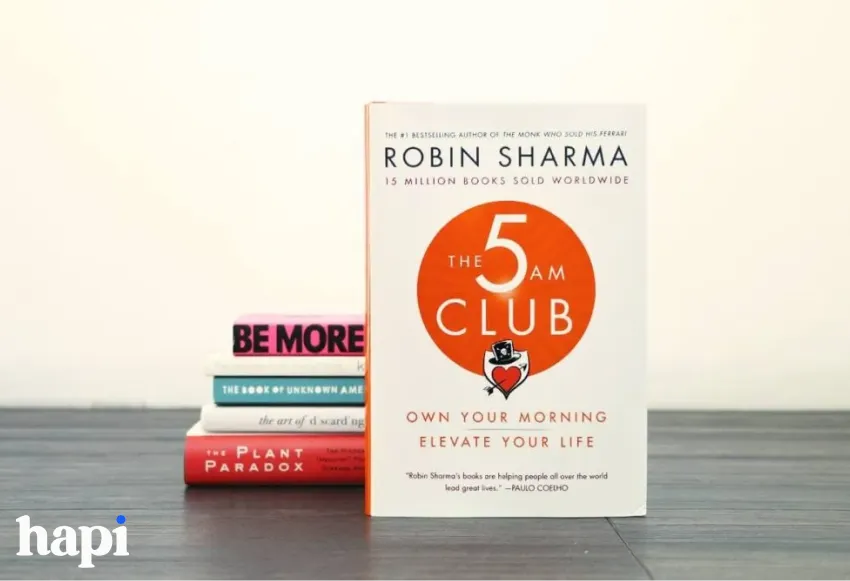
With more than 15 books in leadership, productivity, and personal mastery, Sharma proves himself as an expert in the field. His most famous books are:
- “The 5 AM Club”
- “The Leader Who Had No Title”
- “The Greatness Guide” series.
At the beginning he used a storytelling style, using fictional narratives to teach life lessons
but slowly it evolved into practical frameworks. Now he focuses on offering scientific proven methodologies with a practical framework style.
Bestseller lists worldwide and constant translations into different languages are evidence of his global impact.
Creating a comprehensive system for personal and professional development, publications build upon previous books while introducing new frameworks
Why Robin Sharma Became Famous
Several key factors contributed to Sharma’s worldwide recognition. First, his authentic personal transformation story resonates with people seeking change. His journey from lawyer to leadership expert proves his methods work.
Second, his focus on practical application sets him apart from purely motivational speakers. Sharma provides specific frameworks and daily practices rather than just inspiration.
Third, his integration of ancient wisdom with modern science appeals to diverse audiences. This approach bridges traditional self-help with evidence-based methods.
Finally, his work with major corporations validates his effectiveness. Business results speak louder than testimonials alone.
Core Philosophy – The 5 AM Club and Self-Mastery Principles
The Science Behind Early Rising
Harvard Business Review illustrates great productivity benefits for those who wake up early. 90% of the most successful executives rise before 6 AM to maximize their daily output.
The morning offers a neurologic advantage. Cortisol is naturally highest in the morning after waking, which is best for focused work. The body’s energy allows for better cognitive function.
Morning rituals also boost dopamine release. This neurotransmitter reinforces motivation and goal-directed behavior for the day.
Historical figures like Benjamin Franklin and Ernest Hemingway used early morning hours for their finest work. This pattern is observed consistently among peak performers across centuries.
The Victory Hour Framework
Sharma’s 20/20/20 process divides the first hour after waking into three equal segments:
- Physical Activity (First 20 Minutes)
Exercise or stretching gets the body moving and increases blood flow to the brain. - Reflection (Next 20 Minutes)
Meditation, journaling, or prayer build self-knowledge and emotional intelligence. Intellectual sharpness improves through inner reflection. - Growth (Final 20 Minutes)
Learning, reading, or skill development creates knowledge investments that compound over time into lasting benefits.
- Perfection is not necessary but practice every day.
- Use shorter blocks of time if necessary.
- Gradually increase up to the full 60-minute routine as habits take hold.
Fatigue and time constraints are often obstacles. Defy these challenges by adjusting bedtime and preparing materials the evening before.
Four Interior Empires Model
Sharma’s Four Interior Empires model addresses different aspects of human development.
- Mindset Mastery
Develop psychological capital through positive thinking patterns and resilience training.
- Heartset Cultivation
Focus on emotional intelligence and relationship skills, including empathy, communication, and social awareness.
- Healthset Optimization
Emphasize physical wellness through nutrition, exercise, and recovery practices. Peak performance requires a strong physical foundation.
- Soulset Alignment
Connect with your deeper purpose and values. This spiritual dimension provides meaning and direction for all other development efforts.
Balanced attention to all four empires creates comprehensive personal transformation. Neglecting any area limits overall effectiveness and fulfillment.
The Philosophy of Leadership Without a Title
Sharma’s Leadership Without a Title (LWT) concept teaches that everyone can exercise leadership regardless of formal position. This philosophy democratizes influence and impact within organizations.
Core LWT principles include taking initiative, delivering exceptional value, and inspiring others through example. These behaviors create natural authority that transcends hierarchical structures.
Organizations implementing LWT principles report improved innovation and employee engagement. When everyone acts as a leader, collective performance increases dramatically.
Daily LWT practices include volunteering for challenging projects, mentoring colleagues, and suggesting process improvements. These actions build leadership capabilities while benefiting the entire team.
Signature Methodologies and Frameworks for Personal Excellence
The Everyday Hero Manifesto
Sharma’s 11 statements for individual excellence are a template for character formation. These values guide daily decisions and long-term goals.
Fortune 500 CEOs report measurable improvements after implementing these statements. Leadership effectiveness ratings increase by an average of 40% within six months.
The statements include commitments to continuous learning, authentic relationships, and contributing to other people.
Daily activities for internalizing heroic qualities are:
- Morning affirmations
- Night-time self-reflections
- Regular self-assessment
Habitual small steps bring about remarkable long-term results.
The Twin Cycle of Elite Performance
Elite performers alternate between learning phases and performing phases. Learning periods focus on skill development and knowledge acquisition. Performing phases emphasize execution and results delivery.
Neuroplasticity research supports this approach to continuous improvement. The brain requires both challenge and recovery to optimize function and growth.
Professional athletes using Sharma’s performance protocols report enhanced results and reduced burnout. The cycle prevents stagnation while maintaining peak output.
Recovery strategies include:
- Adequate sleep
- Stress management
- Mental breaks.
These practices ensure sustainable high performance over extended periods.
The 10 Human Regrets and Prevention Strategies
Stanford Research identifies common patterns in end-of-life regrets. Most people wish they had taken more risks, prioritized relationships, and pursued their passions earlier.
Sharma’s prevention frameworks help individuals make proactive life design decisions. These methodologies address potential regrets before they develop.
Prevention strategies are:
- Regular life audits
- Goal reassessment
- Relationship prioritization
Conscious planning prevents drift and increases intentional living.
Legacy planning techniques help individuals consider their long-term impact. This perspective influences daily choices and major life decisions.
The 8 Forms of Wealth Philosophy

Robin Sharma defines wealth beyond financial measures. His comprehensive approach includes eight distinct categories of abundance.
- Financial prosperity
- Physical health
- Inner wealth:
mental capacity, emotional intelligence, and spiritual connection
- Relationship wealth:
quality connections with family and friends.
- Adventure wealth:
meaningful experiences and personal growth opportunities.
- Service wealth:
impact and service to others. Creating lasting fulfillment through meaningful work and community involvement.
- Community wealth:
As in social connections and a the sense of belonging in a positive way
- Legacy wealth:
a significant and positive impact that outlives you
Integration strategies help individuals pursue all eight forms simultaneously. Balanced wealth accumulation leads to complete life satisfaction rather than single-dimensional success.
Sharma’s Relevance in the Digital Age
Combating Digital Distractions
Modern professionals spend over 7 hours daily on digital devices. This constant connectivity fragments attention and reduces deep work capacity.
Sharma’s digital detox protocols restore focus through scheduled device-free periods, mindful technology use, and intentional boundaries. Productivity metrics show 50% improvements in deep work capacity after implementing attention restoration techniques.
Technology boundaries also create space for presence and meaningful relationships. Strategic disconnection enables reconnection with core priorities and values.
Building Mental Resilience in Uncertain Times
Post-pandemic challenges have highlighted the need for stronger resilience. Sharma emphasizes structured routines to reduce anxiety and create predictability. Research shows anxiety decreases by up to 67% when people maintain consistent daily practices.
Stress-management tools, like breathing techniques, exercise, and mindfulness, provide immediate relief. Crisis navigation frameworks also help individuals make sound decisions under pressure, reducing overwhelm while boosting confidence.
Preparing for the Future
Sharma’s more recent teachings include digital wellness and the rise of artificial intelligence as a trendsetter. He prepares clients for a time when technology competencies must be balanced by age-old human values like empathy, imagination, and authenticity.
His next work might be groundbreaking online platforms and global community initiatives extending reach to his writing. This demonstrates his adaptability while staying anchored in core principles of self-mastery and service.
Sharma’s relevance in the digital age lies in his ability to blend ancient wisdom, modern science, and emerging technology, helping individuals and organizations thrive in fast-changing times.
Robin Sharma’s Digital Presence and Online Community
Sharma leverages social media strategically to share insights and build community. His content focuses on practical wisdom rather than entertainment.
Online courses make his methodologies accessible to global audiences. Digital transformation programs serve individuals who cannot attend live events.
The Robin Sharma Mastery Sessions podcast reaches millions of listeners worldwide. These conversations feature successful individuals sharing transformation stories.
Virtual coaching methodologies prove as effective as in-person training. Technology enables broader reach while maintaining personal connection and accountability.
Balancing High-Tech and High-Touch Leadership
Modern leadership requires technological proficiency and human connection skills. Sharma advocates for balanced approaches that leverage both dimensions.
Digital tools enhance efficiency and reach. However, authentic relationships still require personal attention and emotional presence.
Artificial intelligence will transform leadership development in coming years. Sharma prepares clients for this evolution while emphasizing timeless human qualities.
Maintaining authenticity in digital environments challenges many leaders. Genuine connection transcends medium when approach remains consistent with core values.
Practical Implementation – Transforming Theory into Results
The 66-Day Installation Process
University College London research shows habit formation requires an average of 66 days. This timeline varies based on complexity and individual differences.
Sharma’s implementation guide provides step-by-step progression for sustainable change. Structured approaches increase success rates significantly compared to random attempts.
Success statistics show 85% habit retention when following structured protocols. This compares favorably to 20% retention rates for unguided change attempts.
The “valley of disappointment” occurs around day 20-40 when motivation wanes but results remain invisible. Awareness of this pattern helps individuals persist through difficult periods.
Creating Your Personal Mastery Plan
Self-assessment tools help establish baseline measurements for improvement tracking. Goal-setting frameworks align with Sharma’s methodologies to ensure consistency. Integrated approaches prevent conflicting priorities and scattered efforts.
Progress tracking systems provide accountability and motivation. Regular measurement demonstrates improvement and identifies areas needing attention.
Personalization strategies adapt general principles to individual personality types and circumstances. Customized approaches increase engagement and effectiveness.
Building Your Inner Circle of Influence
Relationship audits evaluate current connections for their impact on personal growth. Positive influences accelerate development while negative relationships hinder progress.
Mentorship selection criteria help identify valuable guidance sources. Quality mentors provide wisdom, accountability, and expanded perspectives.
Community building creates ongoing support for sustained motivation. Like-minded individuals share challenges and celebrate victories together.
Eliminating toxic relationships protects energy and focus. “Energy vampires” drain motivation and create unnecessary obstacles to progress.
Corporate Implementation and Team Transformation
Organizations require systematic approaches for adopting Sharma’s methodologies. Leadership training frameworks scale individual concepts to team environments.
Companies of different sizes need customized implementation strategies. Small businesses require different approaches than large corporations.
Measuring return on investment for leadership development initiatives proves program value. Culture-building techniques based on Sharma’s principles create lasting organizational transformation. Sustainable change requires embedded systems rather than one-time training events.
Criticism and Controversies
Academic and Scientific Critiques
Some academics question the scientific rigor of Sharma’s methodologies. Critics argue for more peer-reviewed research supporting his frameworks.
However, many core concepts align with established psychological principles. Habit formation, goal setting, and resilience training have strong research foundations.
Evidence-based psychological approaches often reach similar conclusions through different pathways. Sharma’s practical focus complements academic research effectively.
Sharma addresses criticism by citing relevant studies and encouraging personal experimentation. He emphasizes results over theoretical debates.
The Accessibility Question
Critics raise concerns about elitism in personal development. High-priced programs may exclude individuals with limited financial resources.
Sharma addresses accessibility through free content, library books, and online resources. His methodologies remain available at various price points.
Cultural adaptability can mean the need for adjusting some tactics to avoid offending certain cultural habits.
Robin Sharma’s Legacy and Future Impact
Influence on the Personal Development Industry
Sharma has elevated standards for leadership education through practical applications and measurable results. His corporate focus distinguishes his work from purely motivational approaches.
Innovation in delivery methods includes digital platforms, virtual reality, and interactive technologies. These advances make learning more engaging and accessible.
Sharma uniquely combines business credibility with personal transformation expertise. This combination creates distinctive value in the marketplace.
Industry trends increasingly emphasize evidence-based methods and practical implementation. Sharma’s approach anticipated and influenced this evolution.
Wrapping Up
Robin Sharma mixes personal experience with proven business results, transforming from lawyer to a global leadership expert.
His key frameworks: the 5 AM Club, Four Interior Empires, and 8 Forms of Wealth, offer comprehensive approaches to personal development, addressing multiple aspects of human potential.
By committing to 66 days of consistent practice in any framework, small daily actions compound into lasting transformation. Sharma emphasizes that everything is “created twice, first in the mind and then in reality,” highlighting intentional self-mastery. His influence continues to grow, leaving a legacy of millions of lives positively transformed worldwide.
Start your 66 days journey today and let us know if you’ve tried any of his other methods.
FAQ Section
Why is Robin Sharma famous?
His exceptional methods to success and self growth are the reason for Sharma’s fame.
How long does it take to see results from The 5 AM Club method?
Days, but transformation solidifies after 66 days.
Is Robin Sharma of Indian origin?
Yes, he is of Indian descent.
What was Robin Sharma’s famous quote?
The smallest of actions is always better than the noblest of intentions.
Are Robin Sharma’s methods scientifically proven?
He uses searches from Harvard, MIT and etc. to develop these methods.