A $1.2B Deal Built on Real Problems

What do you do when you are personally struggling with hard life problems? Have you ever managed to use your personal struggle to become a billion dollar brand owner? Well someone did.
Jamie Kern Lima faced rosacea every day on live TV. Makeup didn’t work for her. So in 2008, she co-founded IT Cosmetics with her husband, Paulo. Their goal was simple: create products that solved real problems for real people.
Eight years later, L’Oréal acquired IT Cosmetics for $1.2 billion. Jamie became the first female brand CEO in the company’s history. That move placed her beside beauty giants like Tarte, Glossier, and Rare Beauty, yet her path looked different. Instead of chasing trends or hype, she built trust by showing proof and staying authentic.
In this article, I’ll share what I noticed about how she did it. We’ll look at the marketing strategies, the choices that set IT apart, and the lessons you can apply to your own business.
The Origin Story: Turning a Personal Struggle Into a Brand

A founder with skin in the game
Jamie Kern Lima knew what it felt like to hide behind makeup that didn’t work. As a news anchor, she battled rosacea on camera every day. Products on the market promised coverage but often failed. This gap became the seed for IT Cosmetics. Jamie’s story made the brand personal. It wasn’t just another beauty line. It was a solution born out of need, which defined what an authentic founder-led brand could look like.
Teaming up with experts
Jamie didn’t build alone. She partnered with dermatologists and plastic surgeons to create formulas that worked for sensitive skin. The company started small, with little funding, and each product was tested in real life. Their first hit, “Bye Bye Under Eye,” became proof that the idea worked.
| Year | Milestone | Why It Mattered |
| 2008 | IT Cosmetics founded by Jamie & Paulo Lima | Brand rooted in solving real skin challenges |
| 2009 | Launch of “Bye Bye Under Eye” concealer | First hero product proved the concept |
| 2010 | First QVC segment aired | Authentic on-air demo sparked mass trust |
| 2016 | L’Oréal acquired IT Cosmetics for $1.2B | Validated the power of proof-driven marketing |
Finding Product–Market Fit Through a Hero Product
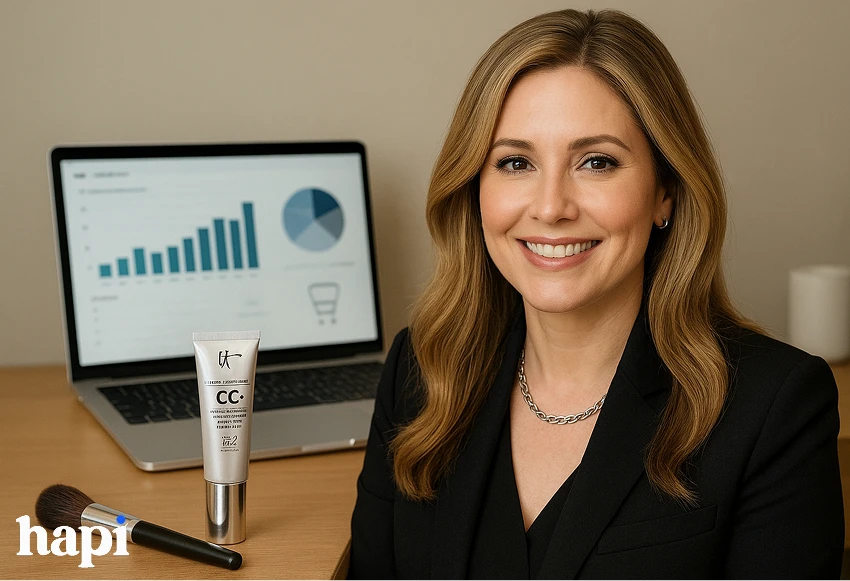
“Product–market fit” means your product works so well for people that they keep buying it and telling others about it. In simple terms, it solves a problem so clearly that the market pulls the product forward. For IT Cosmetics, this moment came with two standouts: “Bye Bye Under Eye” concealer and later the CC+ Cream SPF 50. Both solved real pain points. They offered coverage, skin benefits, and trust built on proof.
Instead of leaning on flashy ads, IT Cosmetics showed live before-and-after results. That choice mattered. Tarte leaned on influencer partnerships, Glossier leaned on community storytelling, and Rare Beauty leaned on celebrity star power. Jamie Kern Lima leaned on evidence. Her products spoke for themselves, and customers believed what they saw.
This approach helped IT build credibility faster than hype could. In the next section, we’ll look at how showing proof became a repeatable marketing engine.
Hero Products at a Glance
| Hero Product | Core Benefit | Proof Format | Channel Used |
| Bye Bye Under Eye | Full coverage concealer | Live demos, before/after photos | QVC |
| CC+ Cream SPF 50 | Coverage + skincare + SPF | On-air tests, customer stories | QVC, retail |
The QVC Breakthrough: Selling Through Authenticity

In the early years, IT Cosmetics needed a stage big enough to prove its products. That stage came in the form of QVC. Jamie Kern Lima’s first ten–minute slot became a turning point. On live television, she wiped off her own makeup to show her rosacea and then applied her concealer. Viewers saw the change instantly. That moment built trust no ad could buy.
This is called live commerce. It means selling products on live TV or online video while people can purchase right away. The power comes from immediacy and proof. IT Cosmetics leaned on this format again and again. Over time, Jamie appeared in more than 1,000 live shows. Each one deepened credibility and created community.
Here’s a simple checklist that shows how IT used live demos to win trust:
- Start with a problem.
- Show the product working in real time.
- Feature diverse models.
- Handle objections quickly.
- Close with urgency (limited supply).
This matters because it shows how proof and education beat hype. It’s a strategy any founder can learn from.
Brand Positioning: Building Trust With Real Skin
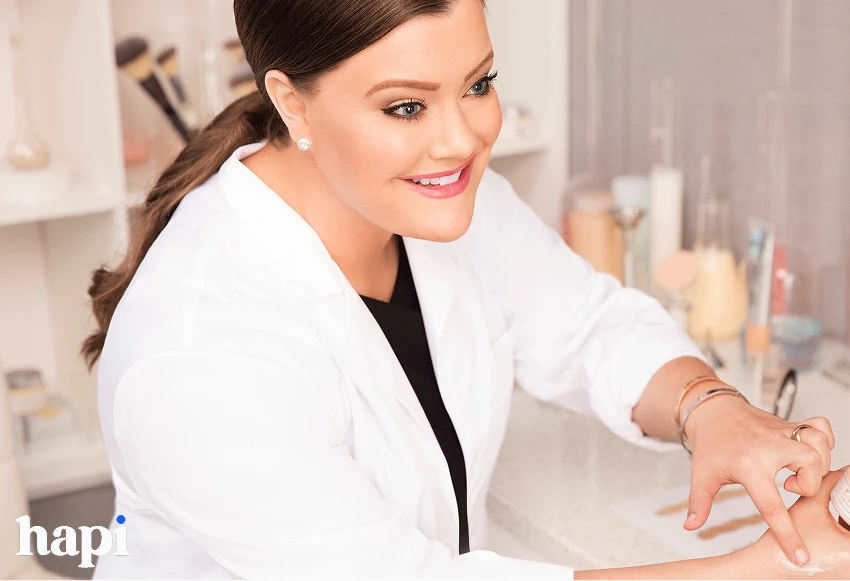
IT Cosmetics didn’t try to make beauty look perfect. The brand showed real skin, with real issues, on real people. Models came in all ages, skin tones, and conditions. Photos were not retouched. This choice set the brand apart in an industry that often sold flawless images.
Jamie Kern Lima also put herself in the spotlight. She was the “trust anchor.” By showing her own rosacea on live TV, she proved the products worked. Customers could see the honesty. They believed her because she lived the same struggle they faced.
Other beauty brands took different paths. Glossier leaned on aspirational lifestyle images and minimalist design. Rare Beauty leaned on the celebrity voice of Selena Gomez. IT Cosmetics leaned on authenticity. That difference became its moat, a barrier that competitors found hard to copy.
This lesson is clear: when you lead with truth, you build loyalty that lasts.
Scaling Omnichannel: From QVC to Sephora and Beyond

IT Cosmetics didn’t stop at QVC. The brand needed multiple ways to reach customers. This is called omnichannel. It means selling in connected ways: live TV, online stores, and retail locations. Each channel reinforced the other.
Hero products acted as the entry point. Once people trusted the concealer or CC+ Cream, IT cross-sold skincare and brushes. Each product reinforced the others, increasing loyalty and average order value.
Omnichannel at a Glance (Flashes Format)
- QVC
→ Goal: Build trust and prove product
→ Messaging: Live demos, before/after
→ KPI: Sell-through rate
- Ulta/Sephora
→ Goal: Reach retail shoppers
→ Messaging: In-store displays, sample demos
→ KPI: Units sold per location
- L’Oréal Luxe
→ Goal: Global scale
→ Messaging: Consistent brand story
→ KPI: Revenue growth
This approach shows how consistent messaging across channels strengthens growth. Following these steps can help scale your own brand effectively.
The Acquisition & Leadership Transition

In 2016, L’Oréal acquired IT Cosmetics for $1.2 billion. The deal marked a major milestone for Jamie Kern Lima and her team. She became the first female brand CEO in L’Oréal’s history. Her role gave her influence over how the brand scaled globally while keeping its authenticity intact.
The acquisition validated what IT Cosmetics had built. Proof-driven marketing, live demos, and real-skin messaging were not just effective, they were valuable enough to create a billion-dollar exit. It showed that solving real problems could compete with traditional prestige beauty strategies.
Jamie stayed on for a few years to guide the transition. She exited in 2019, leaving a brand that retained its unique voice while operating within a global beauty giant.
Other brands took different paths. Tarte sold to Kose, Glossier faced challenges expanding into retail, and Rare Beauty remains founder-led with celebrity influence. These comparisons show that IT Cosmetics’ strategy was unique: proof and trust created a strong foundation for long-term success.
For anyone building a consumer brand, the lesson is clear: focus on evidence, trust, and consistent messaging. These elements can carry a brand from niche beginnings to a global acquisition.
Ten Marketing Lessons From IT Cosmetics
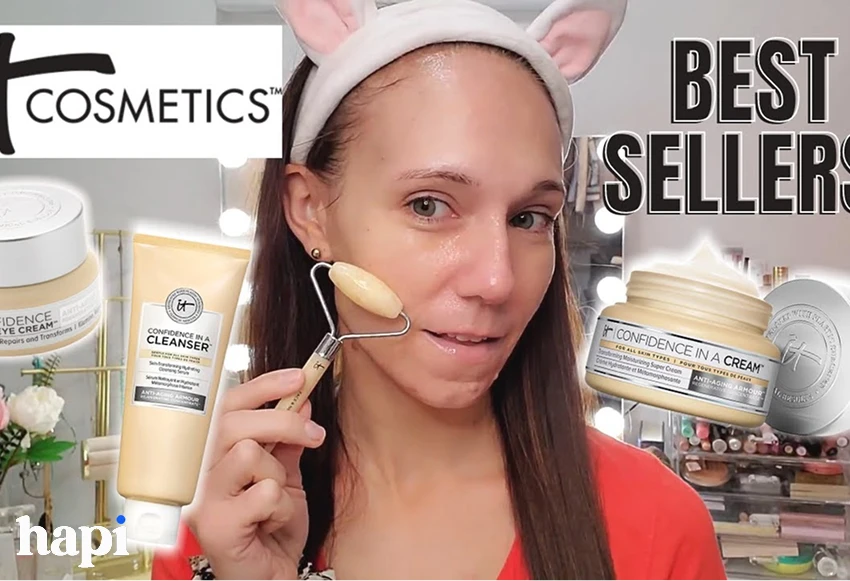
Building IT Cosmetics taught many lessons about marketing and growth. These lessons come from real strategies that worked for a brand starting small and reaching a billion-dollar exit.
Here’s a simple playbook you can use:
- Lead with lived experience → Show the problem you solve. People trust founders who understand their pain.
- Founder-led storytelling → Jamie appeared on camera herself to build credibility.
- Hero product focus → Launch one product that solves a real problem before expanding the line.
- Proof-driven creatives → Show results with before-and-after images or live demos.
- Inclusive marketing → Feature diverse models of different ages, skin tones, and conditions.
- UGC matters → UGC means user-generated content like reviews, photos, or selfies from customers.
- Channel sequencing → Start with one channel, then expand carefully to others.
- Community building → Repeat appearances, demos, and stories to create loyal followers.
- Objection handling → Address questions or doubts directly in marketing messaging.
- Consistent messaging → Keep the brand story the same across all touchpoints.
These lessons show that honesty, proof, and clear communication beat hype. Following them can help you build trust and grow your own brand step by step.
Conclusion
IT Cosmetic showed that authenticity and proof of work matter more in the online marketing landscape than any type of hype you could generate. Hype can get you the views but it won’t necessarily get you the sales.
By showcasing the results and listening to customers, Jamie managed to build a long lasting trust. Customers know that their experience is what matters most to the brand and their complaints or suggestions will be used for the future product launches.
This strategy managed to make a billion dollar exit for a simple niche need. If you take anything away from this article let it be this:
- Focus on honesty
- Solve real problems
- Scale carefully
These principles are what guide successful brands today.
FAQ
Who founded IT Cosmetics?
Jamie Kern Lima and her husband, Paulo Lima.
What’s the story behind IT Cosmetics?
While struggling with rosacea Jamie found no products that actually worked so she created IT Cosmetics to solve real skin problems.
Who is the co-owner of IT Cosmetics?
Paulo Lima, Jamie’s husband.
Is Jamie Kern Lima a billionaire?
No, she isn’t considered a billionaire even though she sold her brand for $1.2 billion.
What books did she write?
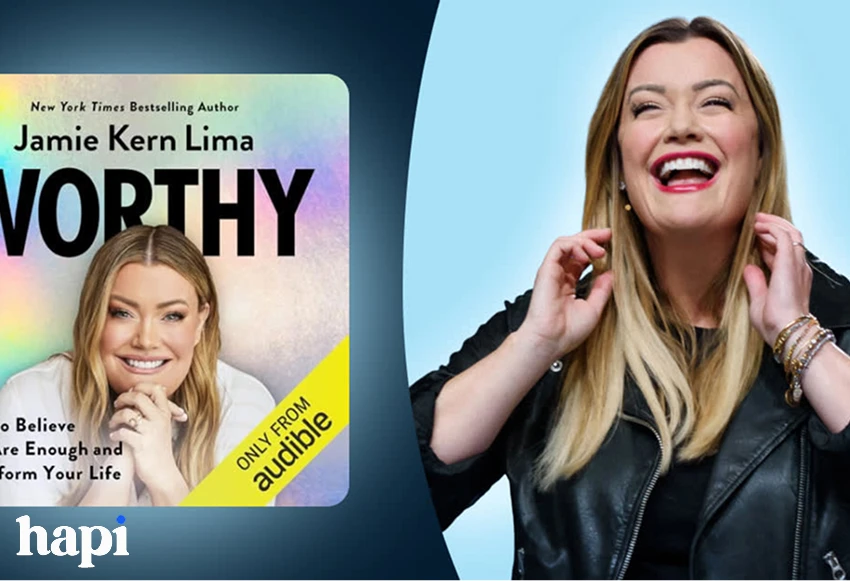
Believe It and Worthy are books that Jamie Lima wrote where she shares her story and lessons regarding confidence, entrepreneurship, and leadership.