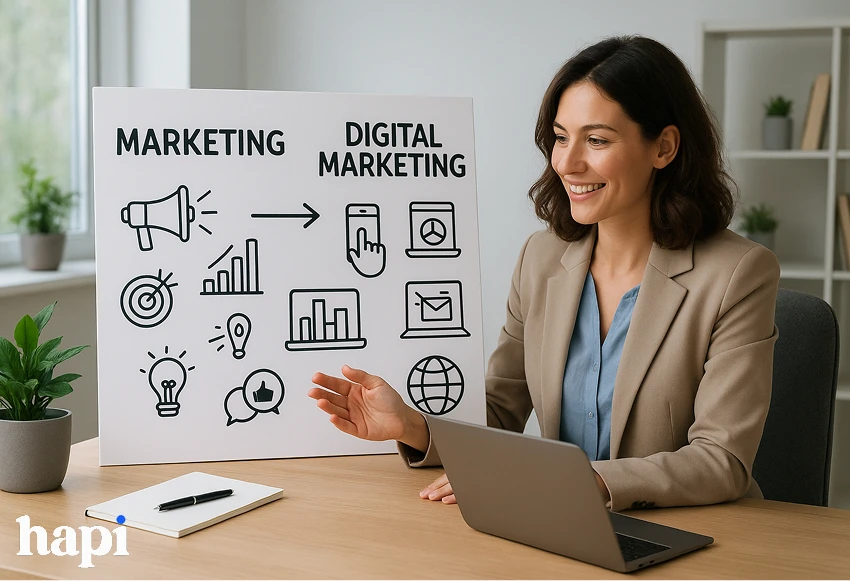
Marketing has transformed over the past two decades, moving beyond print ads and radio spots to a world where consumers shop, research, and share online. Traditional marketing channels like TV and billboards now work alongside digital tools such as social media, email, and online ads.
The best brands use both methods, realizing maximum reach and return on investment, 87% of marketers have enhanced ROI when combining traditional and digital media. This article talks about how these two complement each other, with actionable tips for making campaigns make your brand more visible.
What Is Digital Marketing?
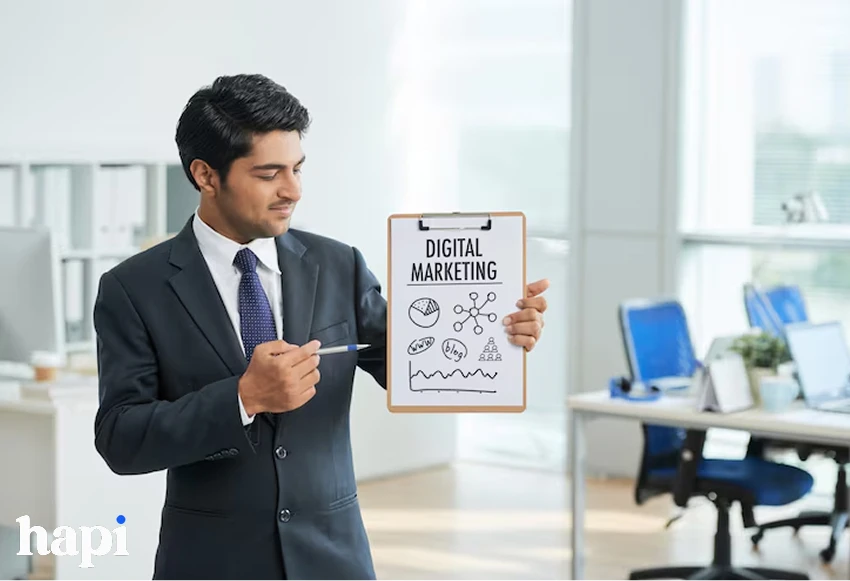
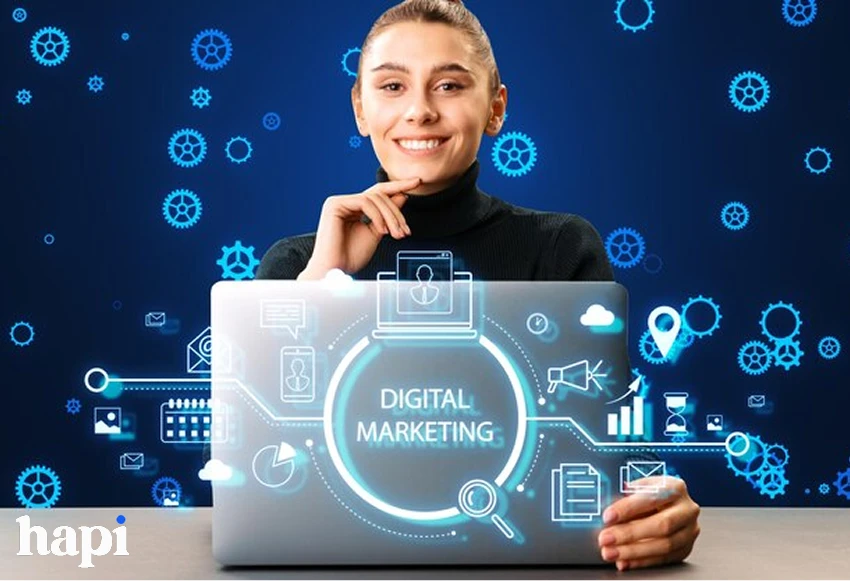
Digital marketing is any marketing which uses electronic devices or the internet. It connects businesses to prospects through digital channels.
Unlike the older kind of marketing, digital marketing enables two-way communication. Your customers can immediately respond to your messages. They can post comments on social media, click on links in emails, or navigate to your site without delay.
Digital marketing has changed a lot since the 1990s when the internet became popular. Early web sites were just plain brochures. Today’s digital marketing features sophisticated automation, customization, and real-time analysis.
Core Components of Digital Marketing
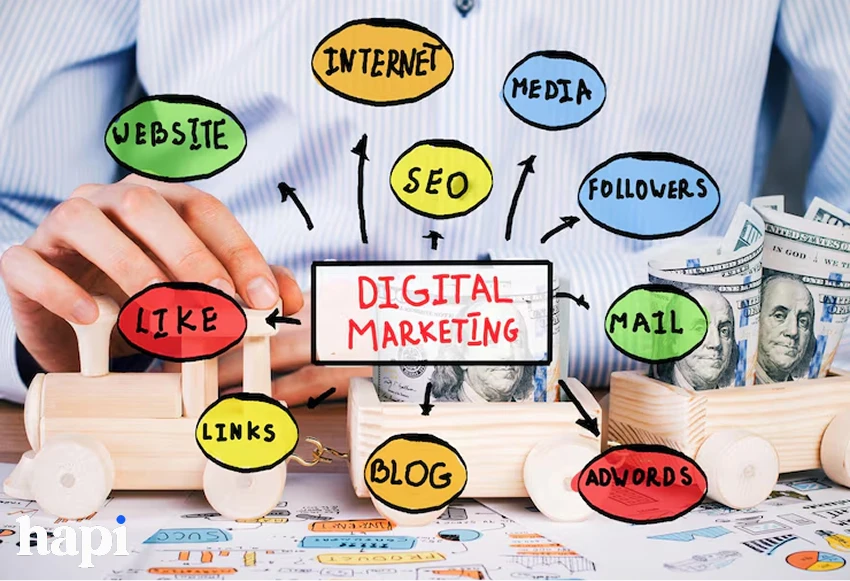
Digital marketing encompasses some key strategies. They play different roles in your marketing strategy.
- Search Engine Optimization (SEO)
- Content marketing
- Social media marketing
- Email marketing
- Pay-per-click (PPC)
- Mobile marketing
- Marketing automation
- Affiliate marketing
Digital Marketing vs. Performance Marketing
Performance marketing is a segment of digital marketing. It aims for quantifiable actions like sales or sign-ups. Advertisers pay only for desired outcomes.
Digital marketing is more aspirational. Branding, customer education, and relationship-building are included in it. Performance marketing aims for immediate, quantifiable effects.
Both approaches are complementary. Performance marketing produces short-term effects. Digital marketing produces long-term equity.
Traditional Marketing Characteristics
Traditional marketing uses tried-and-true vehicles like print, radio, and TV. The channels typically consist of one-way business-to-customer communication.
Traditional marketing will find large groups of people. A television advertisement will be viewed by millions of individuals. Special targeting, however, is not as easy and inexpensive.
Traditional marketing can be more challenging to measure. You can learn how many people saw your billboard, but you cannot track sales easily. Traditional marketing creates trust and credibility effectively despite these limitations.
Exploring Digital Marketing Components and strategies
Search Engine Optimization (SEO)
SEO increases your website’s visibility in search engine results. When people look for products or services that you trade in, SEO enables them to find you. There are 4 types:
- On-page SEO optimizes individual web pages. This includes using relevant keywords, creating helpful content, and optimizing page loading speed.
- Off-page SEO increases the ranking of your site through links from other authoritative websites.
- Technical SEO makes your site easy for search engines to read.
- Local SEO brings local customers to your business when they search for a product or service.
Content Marketing
Content marketing produces and distributes valuable content. This pulls in customers and establishes trust in your brand.
Blog posts respond to frequent customer questions. Videos show customers how to use your products. Infographics display complicated information in simple-to-comprehend visuals.
Planning is necessary for successful content marketing. Content calendars assist you in publishing on a regular basis. Distribution strategies ensure that your content reaches the appropriate people.
Social Media Marketing
Social media marketing utilizes social media sites such as Facebook, Instagram, LinkedIn, and TikTok to connect with consumers. Every site is targeted towards different audiences and uses.
Organic social media is posting content routinely and interacting with fans. Paid social media employs paid advertisements to reach greater viewers or specific groups.
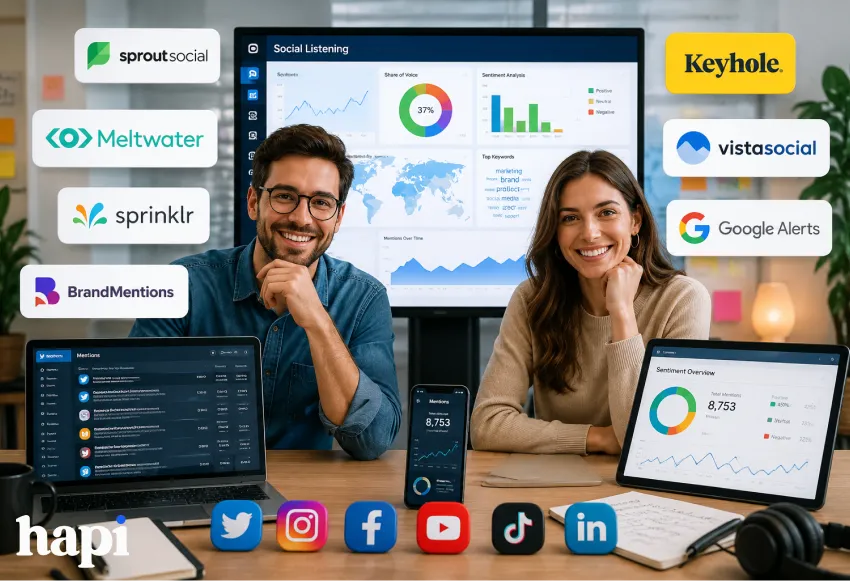
Community building creates loyal followers who engage with your brand. Social listening monitors what people are saying about your firm on the web.
Email Marketing

Email marketing sends targeted messages to subscribers. It’s one of the most cost-effective digital marketing strategies.
List building helps attract people to subscribe to your emails. Segmentation divides subscribers into groups based on interests or behavior. Personalization makes each message look tailored for the recipient.
Automation sends emails based on specific triggers. For example, new subscribers can receive a welcome sequence. Cart abandonment customers can receive reminder emails.
Pay-Per-Click (PPC) Advertising
PPC ads appear on search result pages or on websites, and you only have to pay when they are clicked on. Search ads target specific terms, while display ads use images or videos to reach your audience. Retargeting campaigns display ads to visitors who visited your site previously. Successful PPC requires diligent planning and constant testing.
CPA Marketing vs. Digital Marketing
Cost Per Acquisition (CPA) marketing is a specific type of performance marketing. The advertiser pays a specified amount per acquired customer.
CPA marketing is all about conversion. It’s excellent for businesses that want predictable customer acquisition costs. However, it can potentially sacrifice brand building opportunities or long-term relationships with customers.
Digital marketing takes a broader approach. It balances short-term conversions and building the brand in the long run. CPA campaigns can be integrated as part of the larger digital marketing campaigns.
The Synergy Effect: How Traditional and Digital Marketing Reinforcing Each Other

Cross-Channel Brand Reinforcement
Retelling the same message on all channels does a lot to reinforce a brand. When the same message is heard on TV and social media, it creates a more powerful memory connected to the brand.
Multiple touchpoints increase brand recall by 70% which means customers are much more likely to remember your business when they need your products or services.
Coca-Cola’s “Share a Coke” campaign demonstrated the synergy to perfection. TV commercials launched the concept. Print advertising displayed personalized bottles. Social media asked people to share photos. Every medium reaffirmed the same message but for different reasons.
Audience Reach Maximization
Traditional marketing tends to reach out to an older population who might not be as chronically online as the youth. Digital marketing engages with younger populations who heavily use social media and have a high cell phone interaction.
Mixed methods can reach 95% of target market segments. This multifaceted outreach guarantees your message will be seen by customers who may prefer different media.
Various channels also address customers at various stages of the purchase process. Mainstream advertising may generate early awareness but online marketing moves the prospects from consideration stages to buying stages.
Trust Building and Credibility
Mainstream media generally has greater perceived authority. A television ad or print ad may create instant credibility for start-up companies. Online sites offer social proof in the form of reviews, testimonials, and consumer-generated content.
Apple is a good example. Their television commercials make both product credibility and emotional connections. This forces customers to look online, visit websites, and engage on social networks.
Collectively, they form a trust ecosystem. Conventional marketing warms people up. Digital marketing builds relationships.
Budget Optimization Strategies
Different channels have different cost structures and effectiveness. Classical marketing works well to build awareness for large groups. Digital marketing tends to offer better conversion rates and measurability.
Most effective agencies employ a 60/40 expenditure division, 60% on digital and 40% on classical advertising. The ratio varies based on target market, industry, and business goals.
Cost per acquisition is likely to favor digital marketing to drive short-term sales. Conventional marketing can bring more long-term value to the brand that’s less directly measurable.
Creating an Effective Digital Marketing Strategy

Setting SMART Marketing Goals
Effective digital marketing starts with SMART goals (Specific, Measurable, Achievable, Relevant and Time-bound). For instance, instead of saying “increase website traffic,” set a goal like “boost organic traffic by 25% in six months with SEO and content marketing”
Align digital goals with overall business objectives, and counterbalance short-term wins, like PPC advertising, with longer-term approaches such as SEO.
Understanding Your Target Audience
Detailed buyer personas guide marketing by describing ideal customers’ demographics, interests, pain, and behavior. Watching online behavior tells us how and where they engage online, while customer journey mapping highlights opportunities across channels. Voice of customer research ensures that content resonates with real customer language.
Competitive Analysis in Digital Spaces
Use this check list for an easy competitive analysis:
- Study competitors’ digital marketing to see what platforms and content perform well.
- Identify gaps or opportunities they may be missing.
- Use benchmarking to set realistic growth targets.
- Compare metrics like social media engagement and website traffic.
- Observe how top brands integrate traditional and digital strategies for consistency.
Budget Allocation and Resource Planning
Focus on channels where your audience is most engaged and best aligns with your goals. Start small, better to be great at a few channels than diluted across many. Factor in time, resources, and content, social, and email capabilities needed and try to budget for the right tools and talent to facilitate efforts.
Strategic Integration Techniques for Maximum Brand Impact

Omnichannel Customer Journey Mapping
Keep track of where your customers interact most with your brand, is it traditional ads, website, social media, email or in store experiences? Try to connect all the channels smoothly, for example, a radio ad might reference a specific landing page. Print can include QR codes leading to online content. Social media can direct traffic to physical locations.
Data-Driven Campaign Coordination
Digital data like website analytics and social media engagement shows which messages and products resonate with your audience. Modernize traditional ads with QR codes; by tracking its traffic you can estimate traditional marketing’s impact.
Content Repurposing and Cross-Promotion
Repurpose content across different formats and channels, a TV commercial can be a social media video or email content. Use your print ads for graphic digital ads, and podcasts for radio ads.
Timing and Frequency Optimization
Time launch sequences across channels for optimal impact. Launch with traditional advertising to generate awareness, and then digitally retarget those audiences with more precise information. Retargeting lets you reach traditional marketing audiences through digital media. Someone who walked by your billboard might notice corresponding ads while browsing the web later.
Leveraging Technology to Bridge Traditional and Digital Marketing

Marketing Automation Integration
CRM softwares create useful customer profiles by combining offline and online data. You can use automated followups to nudge along leads gained by traditional means and use lead scoring ranks potential buyers for tailored messaging.
Advanced Analytics and Attribution
Multi-touch attribution quantifies interactions between channels, showing the collaboration between old and new marketing. Cross-channel measurement reveals hidden impacts, including radio campaigns bolstering digital results. Seamless dashboards merge performance metrics, enabling optimized budgets and approaches.
Personalization at Scale
Dynamic content reacts to customer behavior, and geotargeted messaging addresses messages by place to support nearby ads. AI then automatically optimizes campaigns, improving both old-school and new-school marketing results.
Emerging Platforms & Technologies
AR print ads make it possible to interact with a flyer or a business card via your phone, giving a fun twist to the traditional physical experience. You can also use VSO (voice search optimization) to start ranking in voice assistant searches like Alexa or Siri.
Digital Marketing Analytics and Measurement

Essential Digital Marketing Metrics
- Traffic metrics: Track how many people visit your website and where they come from.
- Acquisition metrics: Show which marketing channels drive the most visitors and customers.
- Engagement metrics: Measure interaction with your content, including time on site, social media likes/shares, and email opens.
- Conversion metrics: Track actions like purchases, newsletter signups, or contact form submissions.
- Revenue metrics: Connect marketing efforts directly to business results.
- Customer lifetime value (CLV): Measures the total worth of customer relationships, justifying long-term marketing investments.
Analytics Tools and Platforms

There are free and essential tools like Google Analytics that shows website performance, and Search Console that reveals how your site appears in search results. Social media platforms like Instagram or TikTok also provide their own insights on posts, audience, and engagement. You can combine all this information via customer data platforms to create complete profiles for targeted marketing.
Data Visualization and Reporting
Great dashboards highlight key findings without overwhelming viewers. Focus on measures that have a direct correlation with business goals.
Automated reports save the time wasted and allow for ongoing monitoring. Set weekly or monthly reports to track key performance metrics.
Data storytelling transforms numbers into actionable insights. Explain what the data means and recommend specific actions based on findings.
Testing and Optimization Methodologies
A/B testing compares marketing variations to see what works best, from emails to website layouts. Conversion rate optimization boosts the percentage of visitors taking desired actions. User experience improvements make digital properties easy to use, supporting all marketing efforts. Continuous improvement ensures strategies stay effective as markets and customer preferences evolve.
Digital Marketing Careers and Skills

In-Demand Digital Marketing Roles
- Digital marketing managers: offer comprehensive strategies across multiple channels.
- SEO specialists: improve search engine visibility.
- Content marketers: create engaging materials
- Social media managers: build communities and engage with followers.
- PPC specialists: manage paid advertising campaigns.
- Email marketing specialists: develop nurture sequences and automated campaigns.
- Analytics specialists: interpret data and provide actionable insights.
Essential Skills for Digital Marketers
Technical Skills:
- Understanding analytics tools
- Basic SEO principles
- Marketing automation platforms
Creative skills:
- Writing ability
- Basic design understanding
- Storytelling capability
Soft skills:
- Communication,
- Adaptability
- Project management
Is Digital Marketing a Good Career Choice?
Salary varies between $35,000 – $120,000 or more based on your experience.
Some roles require the ability to keep an eye on campaigns outside working hours but it’s usually a very flexible job, giving you the options of open work hours and remote work.
Future Trends in Digital Marketing
AI and Machine Learning Applications
Artificial intelligence increasingly automates repetitive marketing tasks. AI can compose basic content, ad targeting optimization, and personalization of customer experience at scale.
Predictive analytics help forecast customer behavior and market trends. This enables proactive marketing strategies rather than reactive responses.
Chatbots and conversational marketing provide instant customer service and lead qualification. These tools work 24/7 and can handle basic inquiries effectively.
Algorithmic optimization dynamically modifies campaigns with input from performance metrics. This saves time while yielding better outcomes.
Privacy-First Marketing
Cookie depreciation changes behavior tracking by online marketers. Third-party cookies are being eliminated from prominent web browsers.
First-party data initiatives take aim at data customers voluntarily provide. This includes email subscribers, loyalty program members, and website registrations.
Privacy regulations like GDPR and CCPA require careful data handling. Marketers must obtain explicit consent and provide transparency about data usage.
Ethical data collection builds customer trust while ensuring compliance. This long-term approach creates stronger customer relationships.
Conclusion
Marketing success in today’s time is a result of blending old school and digital strategies. Alone, each method cannot extract the best out of your brand.
Old school marketing builds trust and resonates with mass audiences. Digital marketing enables laser-focused targeting and measurable ROI. Combined, they provide holistic customer experiences that power business growth.
The future is for such brands who blend all marketing channels in harmony. It requires planning, coordination, and continuous optimization. However, the reward is worth it. Start incorporating marketing tactics step by step. Start with one or two complimentary channels. Determine what works in your audience and then expand your activities.
Integrated marketing brands have 23% faster revenue growth than single-channel marketing-focused brands. The number shows the power of strategic marketing integration.Your consumers do not differentiate between digital and offline marketing. They experience your brand in entirety. Make that experience valuable, consistent, and memorable at each touchpoint.
The best brands of the next decade will master the science of marketing integration. Start cultivating these skills today to create your competitive advantage.