Video ads have come a long way over the last few years. Typically the traditional pre-rolls and mid-rolls are used by marketers to raise brand awareness and after promoting a product or service there’s usually a call to action, like clicking a link to go to a website.
Shoppable video ads work differently. They allow the audience to click through and buy the products in the video right away. That turns an inactive observer into an active buyer within seconds.
Shoppable video ads are getting gigantic in 2025. Popular platforms like
Amazon, Instagram and TikTok have updated the experience of shopping straight from video content. Brands are reaching further and making bigger sales.
In this article, we analyze the distinction between shoppable video ads and traditional ones. We will be analyzing which type works better and how advertisers can use this knowledge to run more effective campaigns.
What Are Shoppable Video Ads?
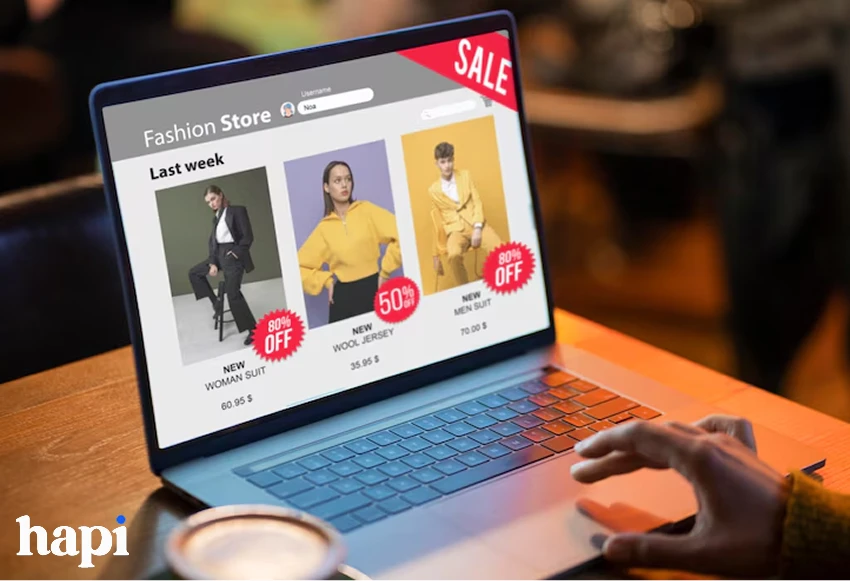
Shoppable video ads are click-to-buy videos that let consumers buy products directly off the screen. The ads feature clickable product links, hotspots or buttons. When a consumer taps or clicks on a product, they’re taken straight to the purchasing page, sometimes without leaving the video.
There are two main types of shoppable video ads. The first is pre-recorded shoppable, e.g., edited videos with links to products. Viewers are likely to see these on websites, social media, and e-commerce platforms. The second type is live shoppable video, where brands showcase products in real-time, typically while live streaming, with clickable “shop now” links.
The huge benefit of shoppable video is how it streamlines the customer path to buy. Instead of watching an ad and then searching for a product afterwards, users can shop in the moment. This shortens the customer path and allows for faster conversions.
The numbers don’t lie. Amazon reports its Live Shopping model produced a 74% higher click-through rate or in industry language “CTR” versus static product ads. That means viewers don’t just watch, but click and buy in real time.
For example, audiences can browse product details and complete their purchases while streaming Amazon Live events. This smooth transition enables shopping to be more intuitive and inviting.
Shoppable video advertising isn’t going anywhere, it’s becoming a vital part of the way brands are connecting with today’s online generation.
What Are Traditional Video Ads?

Traditional video ads are the typical ad forms everyone is used to. These are pre-roll, mid-roll and post-roll placements or ads that run prior to, in the middle of, or after video content on websites like YouTube or streaming sites like Twitch.
Unlike shoppable video ads, standard video commercials do not permit instant engagement. The viewer sees the content, then responds afterwards, like clicking on a site or searching for a product manually. The buying process takes longer and isn’t as direct.
Marketers usually rely on them to build brand recognition rather than prompting sales straight away. They are useful when a company has to launch a new product or communicate a brand message to a vast crowd.
Currently the typical click-through rate (CTR) of pre-roll video advertisements is a mere 0.05%, which is quite low.
An example of this would be a company campaign on YouTube, where the user views the advertisement and then clicks to the firm’s website.
Performance Comparison: Shoppable Video Ads vs Traditional Ads

When it comes to ad performance, shoppable video ads and other video ads deliver very different results. Here is a side by side comparison of engagement, conversions and ROI metrics of interest.
CTR or Click Through Rate
Interactive video ads commonly gain a rate between 1% and 5%.
Amazon Live registered a 74% higher CTR compared to static product ads.
Standard video ads (e.g., pre-rolls) boast an average CTR of about 0.05%.
Conversion Rate
Shoppable video ads let users shop easily, leading to higher conversion rates, usually between 8% and above.
Amazon Sponsored Brands Video campaigns saw a 21% short term sales boost.
Off-platform banner ads usually drive users off-platform, meaning lower conversion rates (usually below 2%).
Return on Investment
Usually shoppable ads result in better traffic and more sales which makes it easier to calculate ROI. With traditional video ads it was harder to track sales and only gave us a comparison between brand awareness and direct sales.
User Engagement
Users interact with shoppable ads more often by clicking, tapping or shopping in real time. Generally Shoppable ads are interactive but in the traditional video ads at most the consumer might remember the brand and maybe click to go to the website.
In short, click-to-buy ads beat older formats consistently in achieving clicks, purchases and measurable results when the goal is to achieve these.
Why Shoppable Video Ads Performed Better
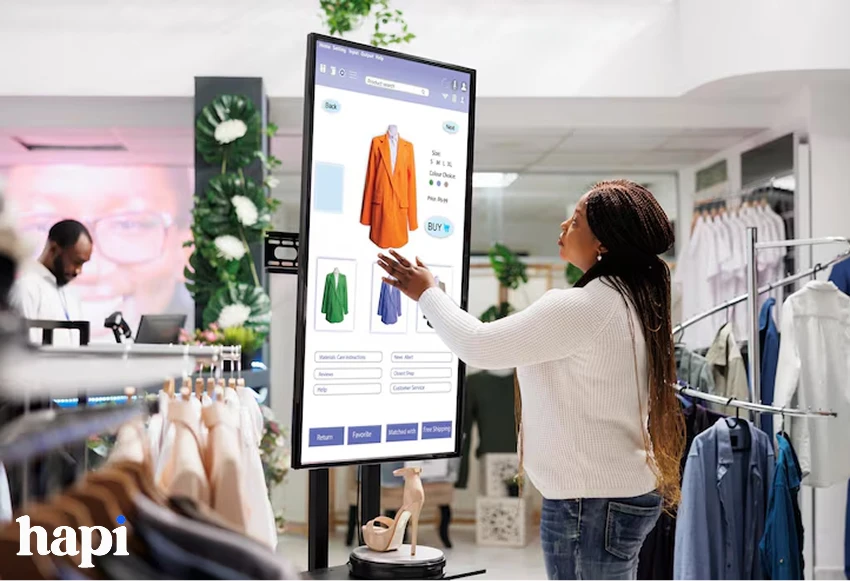
Shoppable video ads enable consumers to click and buy a product on the spot, this easy journey keeps shoppers satisfied and reduces the chances of shoppers getting cold feet.
These ads are also simpler to track and attribute data to. Since people are buying within or right after the video, marketers get more immediate insight into what is pushing sales.
For example, General Mills used Amazon Live shoppable videos and achieved a 25% sales gain. Live demonstrations with shopping links converted viewers to customers in real time very quickly.
Simply put, shoppable video ads work better by offering convenience, interaction and measurable results. They are an amazing tool for marketers today.
When Traditional Ads Still Win
It’s true that shoppable ads help in spontaneous sales but old-school ads are masters at building brands. They allow for long-term awareness and emotions.
Old-school ads are ideal for high-production budgets. Cinematic ads tell shareable brand stories that build loyalty. They are also ideal for mass awareness. These ads give big exposure during big events such as the Super Bowl or Olympics.
In a word, traditional video ads are a slam dunk when the goal is brand awareness, storytelling and mass reach. They set the stage for shoppable ads to be monetized later.
Best Practices for Shoppable Video Ads

In order to get the most out of shoppable ad videos, brands need to keep an eye on user experience and design. Ads like these raise more engagement which then turn into real sales.
You want to start off with a solid call-to-action (CTA). Simple directions like “Swipe up,” “Tap to shop,” or “Click to buy” help viewers out. The CTA needs to be front and center early on and stay in your face throughout the ad.
Next, optimize for mobile. Most viewers watch these ads on mobile, so content should load quickly, play crisply and allow easy shopping. Don’t get too fancy with the design, make it simple and tidy.
Product overlays and click-to-buys must be easy and intuitive. You don’t want to overwhelm the viewer so show minimal must-haves per video. This keeps the experience focused.
With live interaction, like product demonstrations, Q&A or influencer hosts, performance can be boosted. Live content induces a sense of urgency and enables users to interact by posing questions prior to buying. It also gives a human touch to the experience.
By using straightforward CTAs, mobile-friendly designs, interactive product badges, and live components, brands can make their shoppable video ads more effective and drive views to purchases.
Measuring Results for Shoppable Video Ads

To measure ad performance you need some basic metrics like CTR (click-through rate), conversion rate and view-through rate. These will provide you with insight into whether viewers engage or not, as well as purchase results.
Click-to-buy ads offer stronger tracking options. With detailed data, you can map a shopper’s path from video viewing to purchasing. It can be utilized to track sales and show how directly the ad is driving outcomes.
Whenever available, always compare performance to a baseline. As an example, if your control ad has a 0.05% CTR and your shoppable ad is 2%, it’s clear which one is performing better.
Amazon Ads dashboards provide marketers live metrics on clicks, views, and purchases. For display ads, Google Ads Insights helps track broader measures like reach and impressions.
Marketers can see what works and use this data to make their next campaign more effective
Conclusion
Shoppable video ads have higher success in generating more engagement and thus growing the sales by allowing people to shop quickly in real time.
But classic video ads still play an important role in raising brand awareness and connection through storytelling and engaging mass audiences.
The best approach is to go hybrid. Start with traditional advertising to generate interest, followed by shoppable video to drive action and sales.
If you haven’t tried yet, now’s the time to try shoppable video ads for your next campaign. Side-by-side comparison with regular formats and see who actually drives performance for your brand.
FAQ: Shoppable Video Ads vs Traditional Ads
1. What makes a video “shoppable”?
It has clickable links of products so that viewers can buy directly from the video.
2. Are shoppable videos just for big brands?
No, small businesses can well fund to utilize platforms like Amazon Live, YouTube, or Instagram.
3. Do shoppable ads drive up the cost?
Not necessarily. Setup of interactivity costs a bit, but ROI generally makes up for it.
4. Which verticals are best for shoppable video?
Fashion, beauty, electronics, and home furnishings; anything that’s visually compelling and simple to demo.
5. Can shoppable ads be layered into TV campaigns?
Yes. You can turn them into interactive ones with QR codes or smart TV overlays.
6. Are they mobile-friendly?
Definitely. Most are designed with mobile users in mind.
7. How do I track sales from the ad?
Use tools such as pixel tracking, affiliate links, or platform dashboards.
8. Do I require special software?
Not necessarily, most ad platforms now include built-in shoppable video setup tools.