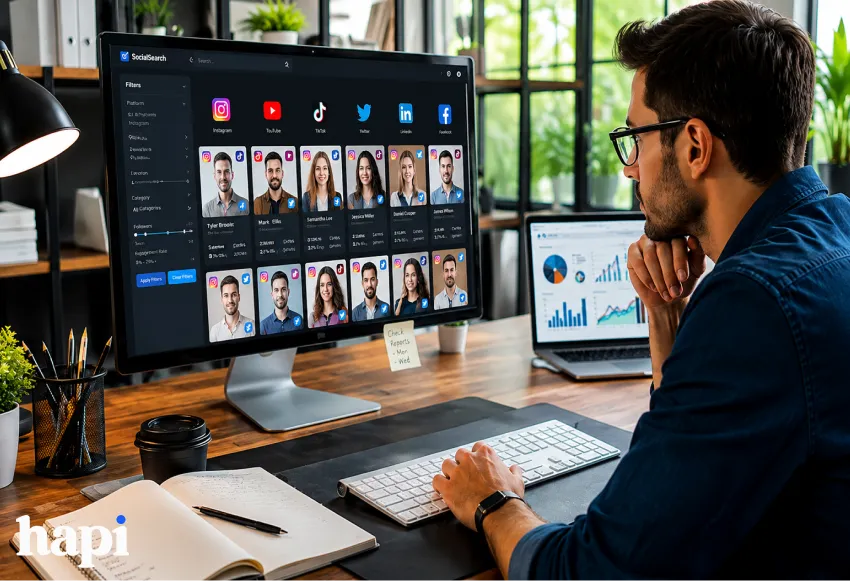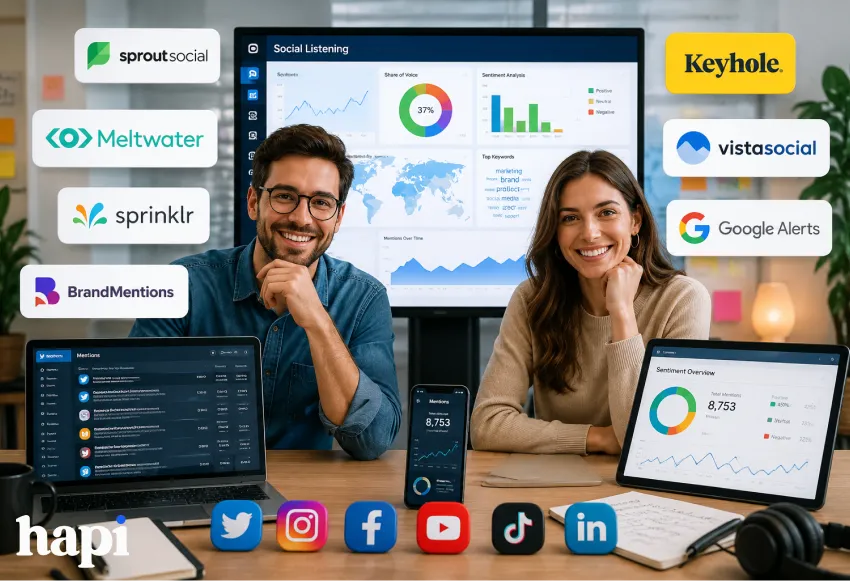
Your customers are already talking about your product or brand but how are you gonna keep track of what they are saying? Are there any conversations that can help grow your brand in your future launches?
A single comment, hashtag, or creator mention can tell you what people love, what they dislike, and what they want next. But when your brand appears across Instagram, TikTok, YouTube, Reddit, X, blogs, and news sites, keeping track manually becomes almost impossible.
That is where social listening software helps.
These tools collect online conversations, analyze what people are saying, and turn those conversations into useful insights.
I have seen this become especially important for influencer marketing. A campaign is not only about views and likes. The real value often appears in the comments, conversations, and audience reactions happening after a creator posts.
In this guide, we will look at the 12 best social listening software tools for brands and agencies in 2026, including their strengths, ideal users, and how they can help influencer marketing teams.
What Is Social Listening Software?
Social listening software is a tool that tracks online conversations about brands, products, competitors, and topics across social platforms. It helps marketers analyze mentions, sentiment, and trends to understand what people think.
Unlike simple social media monitoring, social listening goes deeper. Monitoring tells you:
“Someone mentioned my brand.”
Listening helps answer:
“Why are people talking about my brand, and what should I do next?”
Social listening tools collect information from different online sources and organize it into insights.
They can help you:
- Track brand mentions
- Monitor hashtags
- Analyze customer sentiment
- Discover trends
- Watch competitors
- Measure campaign performance
For example, when we wanted to launch a skincare campaign back at the beginning of the year, we utilized social listening to see whether people are excited about the product, were they asking questions about the product or were they sharing negative feedback. We used the data provided to pivot on some marketing decisions for better.
Why Social Listening Software Matters for Influencer Marketing

Influencer marketing is an ever changing revenue, with the algorithms of the platforms changing every other month, we have started seeing creators with millions of followers not being able to create the intended impact in our campaigns. These days how people respond, engage and talk about the campaigns is what matters the most.
Social listening software helps agencies understand that bigger picture.
1. Find Relevant Creators
Social listening tools can reveal creators who are already discussing:
- Your industry
- Your competitors
- Your products
- Your target audience
This helps brands find authentic partnerships instead of choosing influencers only based on follower numbers.
For example, a fitness brand may discover smaller creators regularly posting about home workouts. These creators may have stronger audience trust than larger accounts.
2. Measure Influencer Campaign Impact
Likes are useful, but they do not tell the entire story.
Social listening helps track:
- Brand mentions before and after campaigns
- Audience sentiment
- Conversation growth
- Share of voice
- Popular campaign topics
The strongest influencer campaigns create conversations, not just impressions.
3. Understand Your Audience Better
Your audience tells you what they want every day.
They share:
- Product opinions
- Problems
- Recommendations
- Trends they follow
Social listening tools help brands listen instead of guess.
How We Chose the Best Social Listening Software Tools
For this list, we focused on tools that offer practical value for brands, agencies, and influencer marketing teams.
We considered:
- Social media monitoring capabilities
- Sentiment analysis
- Reporting features
- Influencer marketing support
- Competitor tracking
- AI-powered insights
- Ease of use
- Pricing flexibility
I also recommend checking screenshots and free trials before choosing a platform. A tool can look impressive on paper but feel completely different when your team starts using it.
12 Best Social Listening Software Tools in 2026
| Tool | Best For | Key Strength |
| Brandwatch | Enterprise brands | Advanced consumer insights |
| Sprout Social | Marketing teams | Social management and listening |
| Meltwater | PR teams | Media and reputation monitoring |
| Mention | Small businesses | Simple brand tracking |
| Sprinklr | Large organizations | Enterprise customer intelligence |
| BrandMentions | Brand monitoring | Real-time mentions |
| Keyhole | Influencer campaigns | Hashtag analytics |
| Vista Social | Small teams | Affordable social management |
| Mentionlytics | Growing brands | AI-powered monitoring |
| BuzzSumo | Content teams | Trends and influencer discovery |
| Common Room | Communities | Relationship intelligence |
| Google Alerts | Beginners | Free monitoring |
1. Brandwatch
Brandwatch is one of the most advanced social listening platforms available.
It is designed for larger brands that need detailed consumer insights.
Key features include:
- AI-powered analysis
- Sentiment tracking
- Audience research
- Trend discovery
- Competitor monitoring
A global brand can use Brandwatch to understand how customers react after launching a new product or influencer campaign.
Best for: Enterprise brands and large marketing teams.
2. Sprout Social
Sprout Social combines social publishing, analytics, and listening features in one platform.
It is popular with agencies because teams can manage multiple clients from one dashboard.
Useful features include:
- Social listening reports
- Engagement tracking
- Campaign reporting
- Audience insights
For influencer agencies, Sprout Social helps connect campaign activity with audience reactions.
Best for: Agencies and social media teams.
3. Meltwater
Meltwater focuses heavily on media intelligence and reputation tracking.
Brands use it to monitor:
- News coverage
- Social conversations
- Public perception
- Industry trends
It is especially useful for companies managing public relations.
Best for: PR teams and large companies.
4. Mention
Mention is a simpler option for brands that want straightforward monitoring.
It helps track:
- Brand mentions
- Competitors
- Keywords
- Online conversations
Small businesses can use Mention to understand what customers are saying without needing a complex system.
Best for: Small businesses and startups.
5. Sprinklr
Sprinklr is built for large organizations managing many customer touchpoints.
It provides:
- AI insights
- Customer experience analytics
- Social listening
- Enterprise reporting
Companies with global audiences often choose Sprinklr because it handles large amounts of data.
Best for: Enterprise companies.
6. BrandMentions
BrandMentions helps businesses track online discussions about their brand.
It focuses on:
- Real-time alerts
- Competitor tracking
- Reputation management
- Mention analysis
It is useful for brands that want quick updates when conversations happen.
Best for: Reputation monitoring.
7. Keyhole
Keyhole is popular among influencer marketers because of its hashtag and campaign tracking features.
It helps measure:
- Hashtag performance
- Influencer campaign reach
- Engagement
- Audience reactions
For example, an agency can track whether a branded hashtag continues growing after influencers publish content.
Best for: Influencer marketing campaigns.
8. Vista Social
Vista Social provides affordable social media management and monitoring features.
It works well for smaller teams that need:
- Scheduling
- Analytics
- Monitoring
- Collaboration tools
Best for: Small businesses and agencies.
9. Mentionlytics
Mentionlytics uses AI-powered analysis to monitor online conversations.
Features include:
- Sentiment analysis
- Keyword tracking
- Social monitoring
- Competitive research
It helps growing brands understand customer opinions.
Best for: Growing companies.
10. BuzzSumo
BuzzSumo is well known for content research but also helps marketers discover trends and influencers.
It helps find:
- Popular topics
- Trending content
- Industry creators
- Engagement patterns
Content teams and influencer marketers can use it to understand what content attracts attention.
Best for: Content marketing teams.
11. Common Room
Common Room focuses on understanding communities and customer relationships.
It helps teams identify:
- Active community members
- Customer conversations
- Engagement opportunities
Best for: Community-driven brands.
12. Google Alerts
Google Alerts is the simplest free option.
Users can create alerts for:
- Brand names
- Competitors
- Industry topics
It does not offer advanced analytics, but it is a good starting point.
Best for: Beginners and small businesses.
Which Social Listening Software Should You Choose?
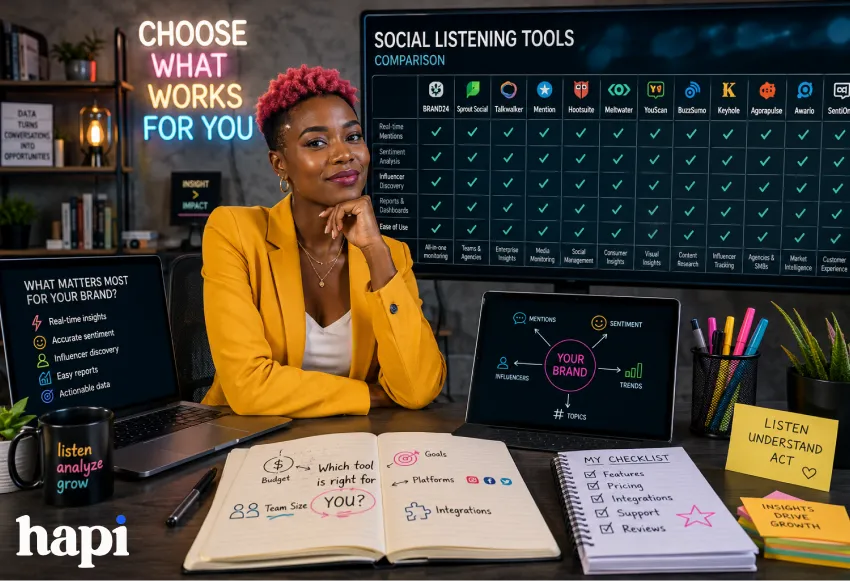
The right tool depends on your goals.
Choose enterprise platforms if you need:
- Advanced analytics
- Large-scale monitoring
- Multiple team users
Best options:
- Brandwatch
- Sprinklr
- Meltwater
Choose influencer-focused tools if you need:
- Campaign tracking
- Creator insights
- Audience analysis
Best options:
- Sprout Social
- Keyhole
- BuzzSumo
Choose simple tools if you need:
- Basic monitoring
- Affordable pricing
- Easy setup
Best options:
- Mention
- Vista Social
- Google Alerts
Start with your marketing goal first, then choose your software.
Common Mistakes When Using Social Listening Tools
Many brands invest in social listening software but do not always use it effectively. One common mistake is tracking too many keywords at once. When you monitor everything, it becomes harder to find the conversations that actually matter. Start with specific brand names, campaign hashtags, products, and industry topics.
Another mistake is ignoring negative feedback. Complaints and criticism can provide valuable insights into customer needs and help brands improve their products or communication.
Some companies also focus too much on numbers like followers, likes, and mentions without looking at the meaning behind those interactions. A high number of mentions does not always mean positive attention.
The biggest mistake is collecting data without taking action. Social listening is not just about finding information. It is about understanding your audience, spotting opportunities, improving campaigns, and making smarter marketing decisions.
Final Thoughts
Social listening softwares will help your brand to stop guessing and start understanding what your intended audience wants.
These tools will reveal what your audience thinks at the moment, so if you are managing an influencer campaign or running a social media account for clients or even building your own brand you can move forward confidently with the help of these tools
And as personal advice I would say that the most expensive tool is not the one you need, you are gonna need the one that helps you find useful insights and take action.
The brands that win on social media are not always the loudest. They are the ones paying attention.