What do Tiktok, Instagram or Youtube have to do with politics? Elections don’t just happen at the ballot box anymore, they unfold in your feed.
We explain why the contemporary political landscape revolves around digital influence rather than mere televised advertisements and stump speeches, how influencers have become political endorsements of a new age and how this has affected campaign communication strategies
By the end, you will be well aware of how influencers impact contemporary politics.
What Is Political Influencer Marketing?
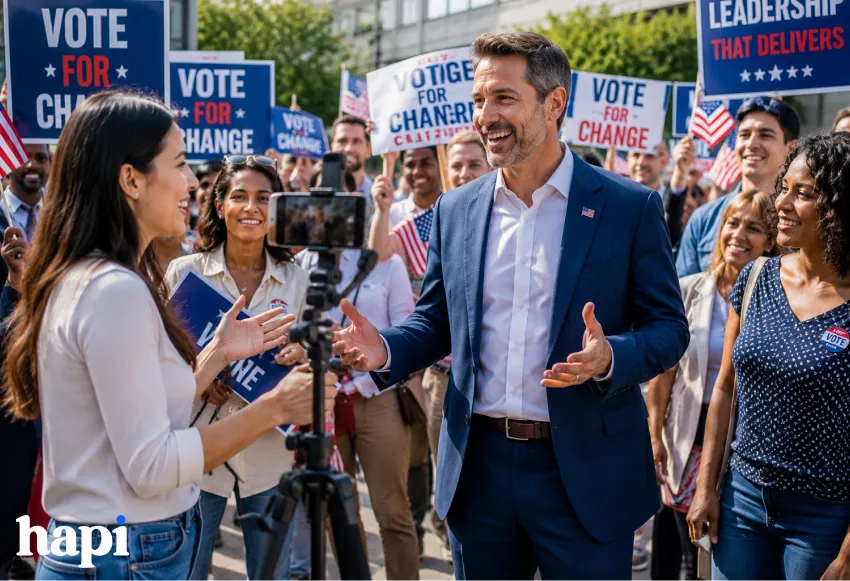
Political influencer marketing uses online creators to share political messages in a more personal and trusted way. Instead of relying on speeches or TV ads, campaigns use voices people already follow. This makes messages feel more like conversations than advertisements.
Traditional political ads speak at people. Influencer content speaks with them. It feels natural, fits the platform, and blends into everyday content. Because of this, many voters pay more attention to influencers than official campaign channels.
Here are the core pieces that shape this style of communication:
- Authentic messaging
- Audience alignment
- Platform-native content
- Emotional storytelling
- Call-to-action (donate, vote, share)
Alexandria Ocasio-Cortez makes a strong example in this by using Instagram Live to connect directly with viewers through simple, real-time and relatable conversations.
Why Influencer Marketing Works in Politics
Influencer marketing feels personal and trusted and that’s why it works. People connect with individuals more than they connect with institutions. Messages shared by influencers feel natural, not forced.
Social media also makes ideas spread fast. When people see others liking or sharing content, they are more likely to agree. Younger voters, especially Gen Z, get most of their political information from these platforms.
- People trust influencers more than politicians
- Feels like advice, not ads
- Social proof spreads ideas fast
- Strong with younger voters
Bernie Sanders understood this perfectly. He used community-led messaging with influencer-style short videos to connect with the younger audience honestly and convey his point in the simplest form possible.
Check out our influencer marketing in US elections to see how influencer marketing can shape public opinion and increase voter engagement online.
Platform Breakdown: Where Political Influence Happens
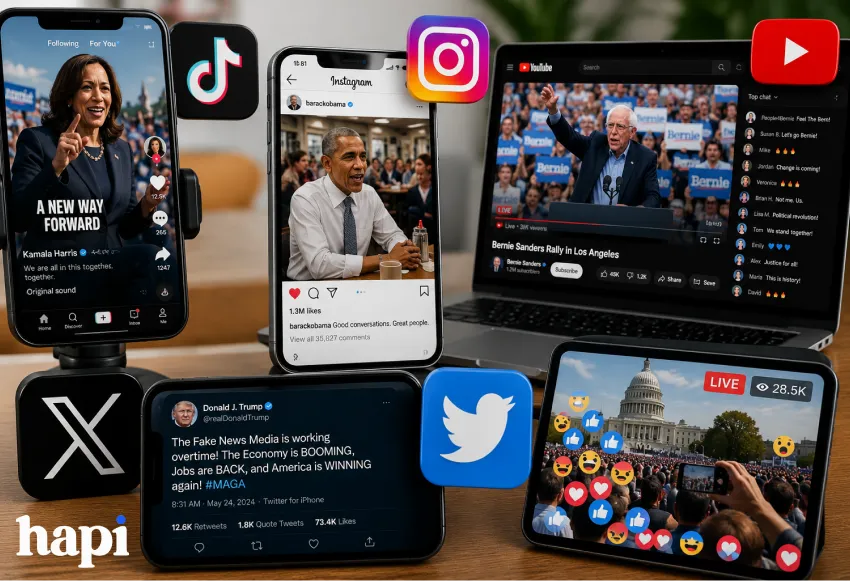
Not all platforms work the same in political marketing. Each one has its own style, audience, and strength. Smart campaigns adjust their message for each platform.
TikTok is all about short videos. Kamala Harris campaign manager understood that trends, music, and simple messages work best. They used TikTok-style content to connect with Gen Z audiences. Utilizing many influencers and Tiktokers to connect with the younger generation.
Instagram focuses on storytelling. Obama was particularly fond of this platform, posting his famous diner video on Instagram.
YouTube is better for longer content. You can usually find live streams of political rallies and politicians also always upload the concerts they hold at their rallies on Youtube, hoping to get it trending worldwide.
Twitter (X) is fast and direct. It is used for quick updates and real-time reactions. Plus you can always count on people’s desire to raise engagement through retweets and comments.That’s what got Donald Trump on the trending page almost constantly.
Where Political Influence Happens
| Platform | Audience Demographics | Content Type | Engagement Style | Political Campaign Use Case |
| TikTok | Gen Z, younger Millennials | Short-form video | High shares, trends, viral content | Fast messaging, virality, youth outreach |
| Millennials, Gen Z | Photos, Reels, Stories, Live | Comments, DMs, live interaction | Storytelling, behind-the-scenes, personal branding | |
| YouTube | Larger audience (18–49 dominant) | Long-form video | Likes, comments, subscriptions | Policy explanations, interviews, deep dives |
| Twitter (X) | Adults, media, politically active users | Short text, threads, videos | Real-time replies, reposts | Rapid updates, direct messaging, shaping narratives |
Each platform plays a different role. Together, they help campaigns reach more people in smarter ways.
Key Trends in Political Influencer Marketing
Influencer marketing is a fast paced industry, add in the political aspect and it will turn into a maddeningly evolving tactic. But they all are focusing on three things now:
- Being quick
- Being personal
- Being easy to understand
Emerging Trends to Watch
- Meme-based political messaging
- Livestream campaigning and real-time engagement
- AI-generated political content
- Decentralized grassroots movements
- Creator collaborations
- Issue-based influencer campaigns
- Podcast influencer endorsements
- Short-form video dominance
Even early digital leaders like Barack Obama showed the power of online storytelling. Today, this has evolved into full influencer-driven campaigns.
Meme campaigns and short-form videos have made viral political content one of the fastest-growing communication strategies online.
Real Case Studies
Recent political celebrities all have had successful digital campaigns, if you know their names or their policies it’s probably mostly because you saw it on social media.
Barack Obama: was one of the first to go big online. He kind of showed the power of a digital campaign on a political run. His campaign used social media, emails, and videos to connect with people.
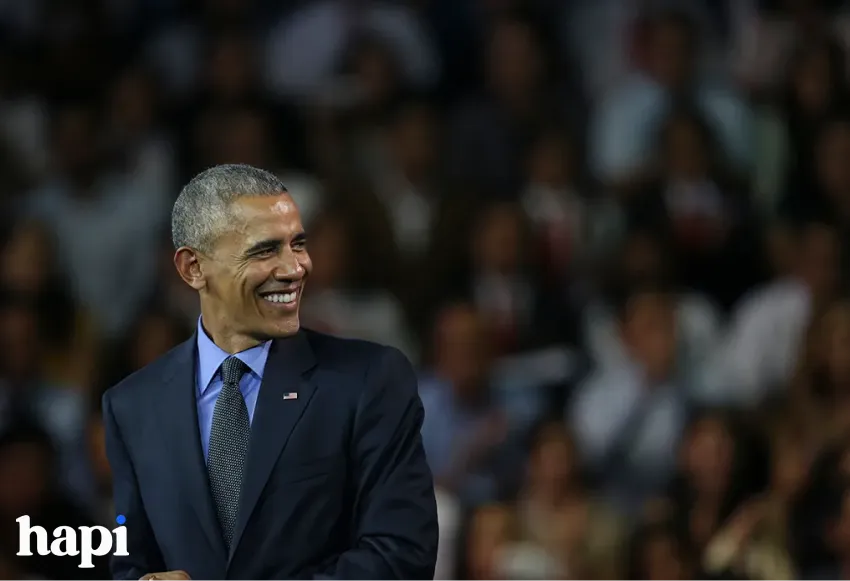
He made supporters feel like they were part of a team. It wasn’t just a campaign, it felt like a movement people would love to join.
Donald Trump: took a very different path. He used Twitter a lot to share his thoughts. He was short, bold, and controversial in his posts.
This helped him stay in the spotlight. People always knew what he was saying, and many shared his posts quickly.
Alexandria Ocasio-Cortez: made things feel even more real. She shares simple, unedited videos on Instagram.
Sometimes she talks while cooking or answers questions from followers. Making it feel like you are chatting with a friend. This fun style helped her build a strong and loyal audience.
Bernie Sanders: his campaign revolved around the grassroots movement.
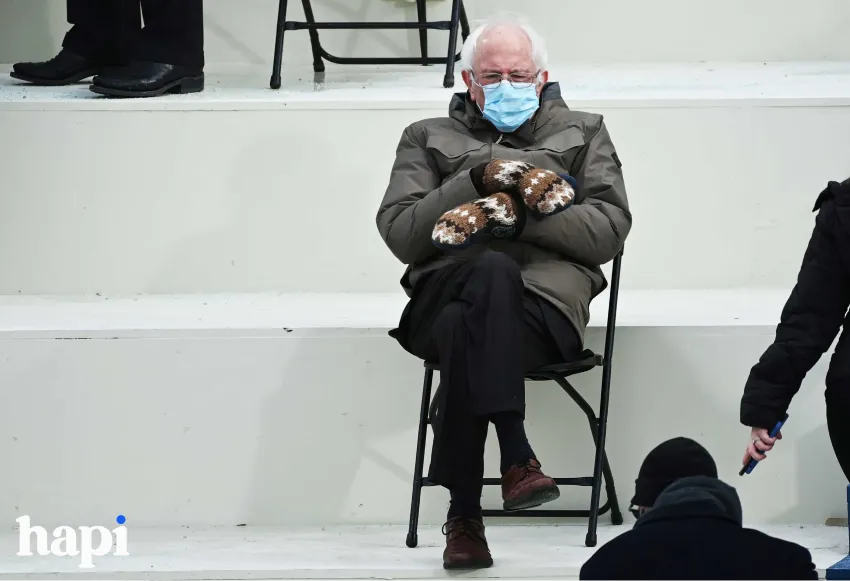
He has proved capable of influencing people by using influencer-type messaging techniques. His messages resonated deeply with young supporters.
Traditional political ads persuade, modern influencer strategies mobilize.
These examples show one clear lesson. Success comes from being real, direct, and easy to relate to.
Tips for Using Influencer Marketing in Political Campaigns
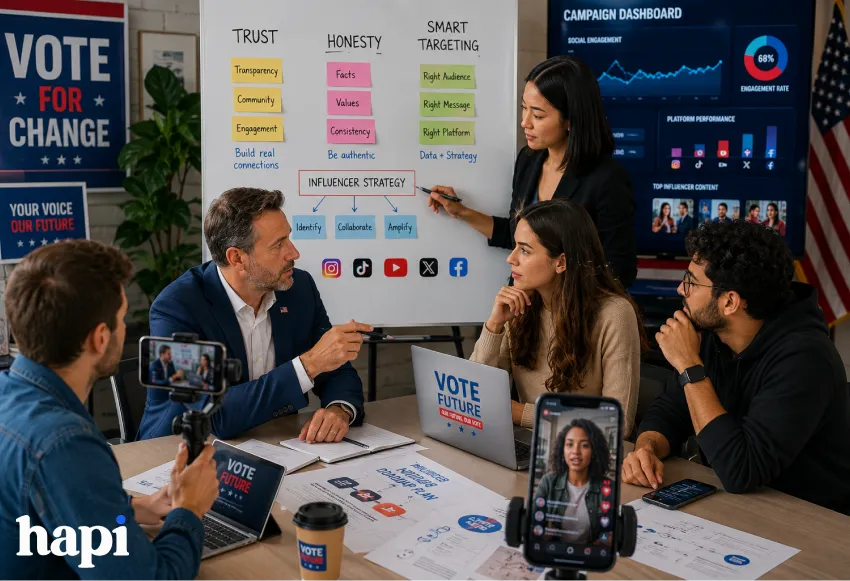
Using influencer marketing in politics takes more than just posting online. It needs a clear plan. Focusing on:
- Trust
- Honesty
- Smart targeting
Here’s a simple step by step guide on how a campaign comes to be:
- Choose influencers based on your campaign’s values
- Keep messaging real and natural
- Use micro-influencers to reach niche audiences
- Use analytics for better targeting
What not to do:
- Hire influencers that don’t believe in your cause and only want the paycheck
- Go overboard with too much scripting and not letting the influencer add in their own voice
- Ignoring the small but effective community of micro-influencers
Steps to Building a Successful Influencer Campaign
Ethics are just as important. Campaigns must clearly disclose partnerships to build trust.
Avoid misinformation at all costs. False content can damage both the campaign and public trust.
Finally, find the right balance. Too much control feels fake. Too little can lead to mistakes. Stay real, but stay responsible.
Challenges & Ethical Considerations
The Risks Behind the Strategy
Political influencer marketing is powerful, but it comes with real risks. As campaigns move online, issues around trust, fairness, and accuracy become more important.
Key Risks in Political Influencer Marketing
- Misinformation spreading quickly and shaping opinions
- Changing platform rules and unclear regulations
- Lack of transparency in paid or sponsored content
- Voter trust being damaged by misleading messages
- Fake endorsements
- Algorithm bias
- Echo chambers
- Lack of accountability
Ethics matter in every campaign. You should be honest, clear, and transparent. Without this, influencer marketing can ruin any trust you’ve built with your voting community instead of help raise it.
Conclusion
Influencer marketing is changing political campaigns in a big way. It helps politicians connect with people in a more direct and personal style. Messages now spread faster and feel more relatable than traditional ads.
Future elections will be even more digital-first. Social media platforms will continue to shape how voters see candidates and issues. Campaigns that adapt early will have a strong advantage.
But success also depends on responsibility. Ethical use of influencer marketing is important. Clear messaging, honesty, and transparency must guide every campaign strategy.
If used well, this approach can strengthen trust and engagement. If used poorly, it can create confusion and misinformation.
FAQ
How do influencers impact elections?
Influencers shape opinions online. They build trust and reach voters fast. Their content spreads quickly and can affect voting choices.
Which platforms are best for political campaigns?
TikTok, Instagram, and YouTube work best. TikTok is for viral videos. Instagram is for stories. YouTube is for longer content.
Is influencer marketing ethical in politics?
It can be ethical if there is transparency. Paid posts need to be identified. Integrity helps build the credibility of the voters.
What is the political marketing theory?
It describes the ways that campaigns employ marketing in their bid for support.