Think you need 100,000 followers to land brand deals? Spoiler alert: some of the best brands actually prefer creators just like you.
If you’re a small creator with a growing audience and you’re wondering whether influencer marketing is really for you, this guide is your shortcut. You’ll learn which brands collaborate with small influencers, how much those brands actually pay, what red flags to avoid, and how beginners just like you are landing their first deals on Instagram, TikTok, and YouTube.
This article is written specifically for creators with a few followers who want to start monetizing, using simple language, real examples, and beginner-friendly explanations you can trust.
What Counts as a “Small Influencer?”
Before we talk about brands, let’s clarify what “small influencer” actually means in the influencer marketing world.
Influencer Size Breakdown
| Influencer Tier | Follower Count | Typical Engagement | Why Brands Care |
| Nano Influencer | 1K–10K | Very high (5–10%+) | Feels authentic and relatable |
| Micro Influencer | 10K–100K | High (2–6%) | Strong niche authority |
| Macro Influencer | 100K–1M | Moderate | Large reach |
| Mega Influencer | 1M+ | Lower | Brand awareness |
👉 Good news: Most brands that collaborate with small influencers are targeting nano and micro influencers, not celebrities.
Brands care less about follower count and more about:
- Engagement rate
- Niche relevance
- Content quality
- Audience trust
Why Brands Prefer Collaborating With Small Influencers
Many beginners assume brands only want big creators. In reality, influencer marketing has shifted dramatically in favor of smaller accounts.
Why small influencers are in demand:
- Higher engagement rates than large influencers
- Lower costs per post or video
- More authentic content that converts better
- Stronger community trust
Bold comparison:
A micro influencer with 8% engagement often outperforms a macro influencer with 1% engagement — at a fraction of the cost.
Brands also use small influencers to test campaigns before scaling them with larger creators.
Brand Categories That Collaborate With Small Influencers
If you’re wondering where to focus, start with these industries. They consistently work with small influencers across Instagram, TikTok, and YouTube.
Beauty & Skincare Brands
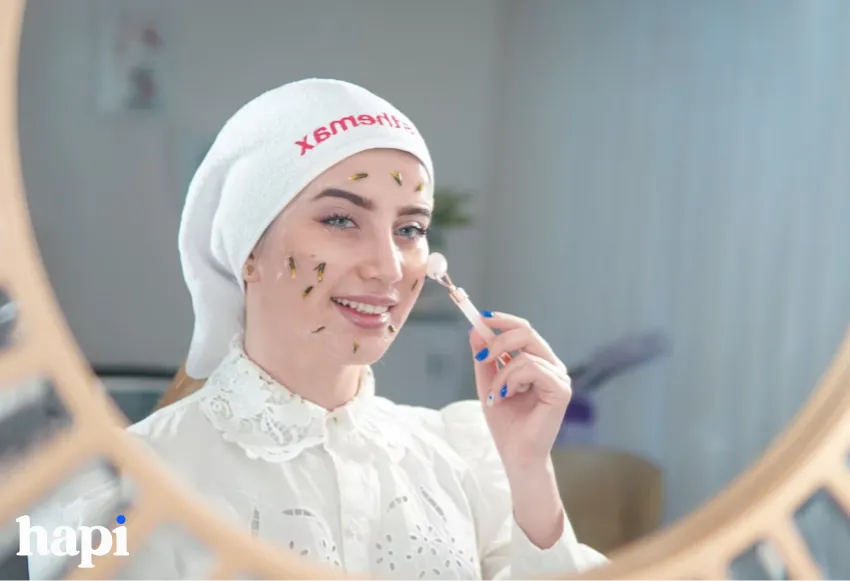
- Love UGC-style content and tutorials
- Often start with gifted collaborations
- Strong repeat partnership potential
Examples: Glossier, The Ordinary, CeraVe
Fashion & Apparel Brands
- Focus on styling, hauls, and try-ons
- Ideal for Instagram Reels and TikTok
- Ambassador programs are common
Examples: Gymshark, Aerie, Princess Polly
Fitness & Wellness Brands

- Value transformation stories and routines
- Prefer creators with credibility over size
Examples: MyProtein, Bloom Nutrition, Alo Yoga
Tech, Apps & SaaS Brands
- Perfect for YouTube and TikTok explainers
- Often pay for UGC even without posting to your audience
Examples: Canva, Notion, Skillshare
DTC & Subscription Brands
- Constantly need new creators
- Strong affiliate opportunities
Examples: HelloFresh, Casetify, Dollar Shave Club
Real Brands That Work With Small Influencers
Here’s a mix of real, US-focused brands and how they typically collaborate with small creators.
| Brand | Industry | Platform Focus | Collaboration Type |
| Glossier | Beauty | Instagram, TikTok | Gifted + paid |
| Gymshark | Fitness/Fashion | Instagram, YouTube | Ambassador |
| Canva | SaaS | TikTok, YouTube | Paid + UGC |
| HelloFresh | Food | TikTok, Instagram | Affiliate + paid |
| Casetify | Accessories | Gifted + paid |
Many of these brands actively recruit through:
- Instagram DMs
- TikTok Creator Marketplace
- Influencer platforms like Aspire or Upfluence
Deep dive to some brands that are open to collaboration:
HelloFresh – Micro Influencers as Everyday Chefs
HelloFresh, a major meal-kit subscription service, has leaned heavily into small influencer campaigns that feel organic and useful:
- Micro content creators were encouraged to film unboxing videos, meal preparation tutorials, and finished meal reviews that showcase how easy the kits are to use at home.
- Campaigns like #HelloFreshAtHome invited creators to show step-by-step cooking content that felt like home-style recommendations rather than ads.
- Many small creators on TikTok and Instagram made short, engaging clips explaining their favorite HelloFresh meals, boosting trust and reach.
🔥 This type of content works especially well because it teaches and entertains while showing product value — exactly the kinds of videos TikTok and Instagram prioritize.
Why small creators succeed with food brands:
- Recipe/tips content drives engagement
- Meal products are easy to show visually
- Everyday authenticity is persuasive
Glossier: Building a Brand on Everyday Creators
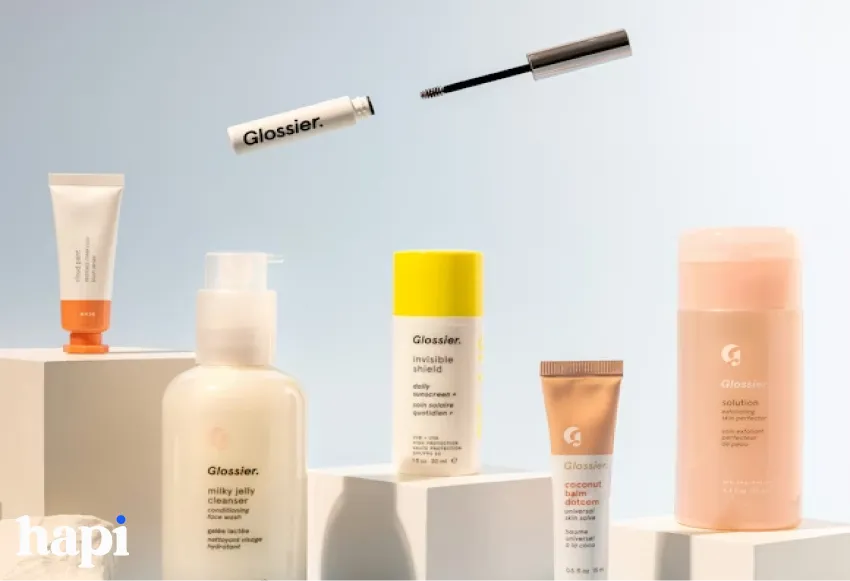
The company that is frequently pointed out as an example of an effective brand that entered the market through collaboration with nano and micro YouTubers and not celebrities is Glossier.
Rather than turning to clean ads, the brand developed a series of initiatives like #GlossierGirl in which small content creators were encouraged to share authentic skincare routines, makeup tutorials, and reviews of their products on both Instagram and Tik Tok. Several of these content creators had less than 50,000 followers.
Glossier frequently:
- Sends products to small creators ahead of launches
- Encourages “get ready with me” and routine-style content
- Reposts creator content on its own social channels
Why this matters for beginners:
Glossier proves that brands value relatable content over reach. You don’t need to look like a professional model — real routines and honest opinions are what perform best.
Mejuri: Making Luxury Feel Relatable
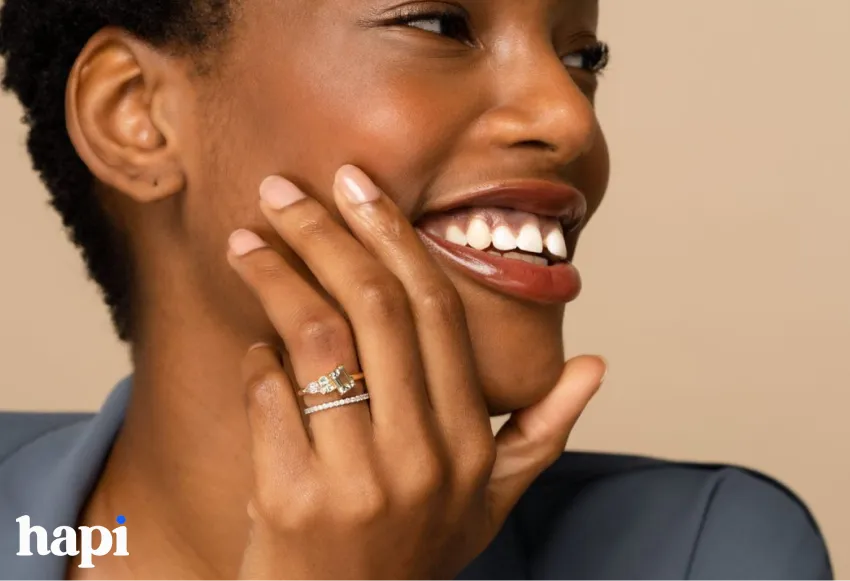
Mejuri, a fine jewelry brand, has successfully partnered with micro-influencers to make luxury feel accessible.
Rather than highly produced ads, Mejuri collaborates with small creators on content such as:
- “What’s in my bag” videos
- Everyday outfit styling
- Casual lifestyle photos featuring jewelry
Some creators are also featured on Mejuri’s own social channels, giving them additional exposure beyond their personal audience.
Why this works for beginners:
Brands like Mejuri show that you don’t need a luxury lifestyle — just clean, authentic content that shows how products fit into real life.
Honest Paws: Scaling With Hundreds of Niche Creators
The company, Honest Paws, which is a pet wellness company, is one example of a niche creator enjoying success in influencer marketing campaigns.
Instead of dealing with a handful of big accounts, Honest Paws partnered with various small pet influencers by sending them their products for free in return for content. Influencers would create content featuring their pets utilizing the products in the form of pictures, stories, and even videos.
This strategy resulted in:
- Thousands of authentic content pieces
- Strong emotional engagement
- Massive brand visibility without traditional ads
Lesson for niche creators:
If you have a focused niche, brands often prefer hiring many like small pet influencers, wellness and fitness influencers etc. over a few large ones.
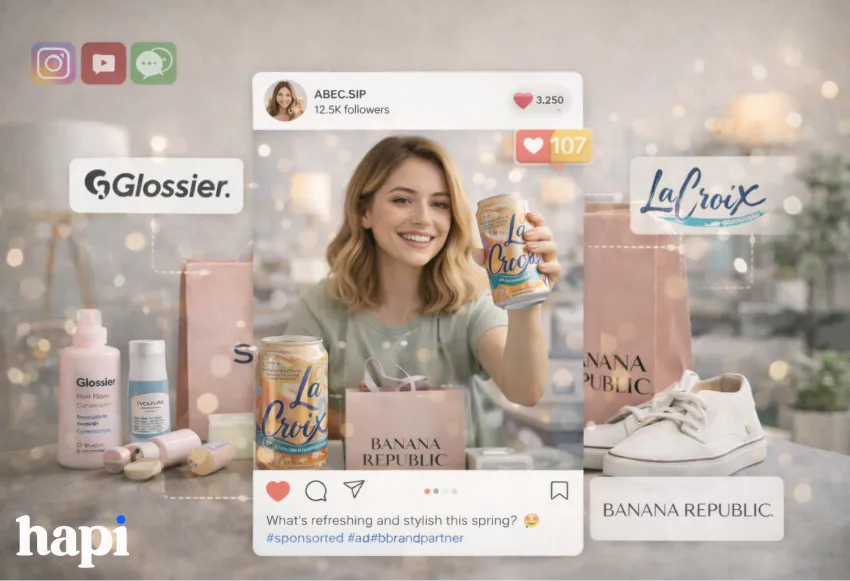
LaCroix: Lifestyle Vibes Over Hard Selling
LaCroix is a great example of a brand that collaborates with small lifestyle creators to build brand awareness without aggressive promotion.
Instead of scripted ads, LaCroix encourages creators to feature the product naturally in:
- Daily routines
- Summer lifestyle content
- Aesthetic desk or picnic setups
- Casual “day in the life” videos
Small influencers across Instagram and TikTok often include LaCroix organically in their content, making the brand feel fun, social, and aspirational.
Why this works for beginners:
You don’t need to “sell” — brands like LaCroix want vibes, not pitches.
Banana Republic: Elevating Small Creators With Polished Style
Banana Republic collaborates with micro-influencers to showcase modern, polished fashion in an accessible way.
Creators often produce:
- Workwear styling videos
- Capsule wardrobe content
- “How to style one piece multiple ways” posts
These collaborations are ideal for creators who focus on:
- Office fashion
- Minimalist style
- Lifestyle and career content
Why small creators are valuable here:
Banana Republic prioritizes styling ability and audience relevance over follower count.
How Much Do Small Influencers Get Paid?
One of the most searched questions in influencer marketing is “How much do small influencers make?”
Here are realistic beginner pay ranges:
Typical Pay Ranges
- Nano influencers (1K–10K):
$50–$300 per post - Micro influencers (10K–50K):
$200–$1,000 per post - UGC-only deals:
$100–$500 per video (even with low followers)
What affects your rate:
- Engagement rate
- Platform (TikTok often pays more than Instagram)
- Deliverables (posts, videos, usage rights)
- Brand budget
💡 Tip: Many small influencers earn their first real money through UGC deals, not sponsored posts.
Red Flags to Avoid When Working With Brands
As a beginner, it’s just as important to know what to avoid as it is to know what to accept.
Major Red Flags 🚩
- “We don’t pay, but you’ll get exposure”
- No written agreement or contract
- Vague deliverables (“just post something”)
- Requests for upfront payments
- No clarity on usage rights
If a brand can’t clearly explain what they want and what they’ll pay, walk away.
Beginner Creator Success Stories
You don’t need to go viral to get brand deals.
- A TikTok creator with 3,200 followers landed a $250 UGC deal with a skincare brand after posting consistent routine videos.
- An Instagram nano influencer started with gifted fashion collabs, then converted two brands into paid monthly partnerships within three months.
- A YouTube creator under 5K subscribers earned recurring income reviewing SaaS tools using affiliate links.
The common thread? Consistency, niche clarity, and professionalism — not follower count.
Final Thoughts: You’re More “Brand-Ready” Than You Think
Brands that collaborate with small influencers aren’t looking for perfection — they’re looking for real people with real influence. If you have a clear niche, an engaged audience, and a willingness to learn, you already have what many brands want.
Start small. Pitch confidently. Learn as you go.
Your first brand deal might be closer than you think.
Frequently Asked Questions (FAQ)
How many followers do you need for brand deals?
You only need 1,000 followers to get started.
Do brands really work with nano influencers?
Yes. Many brands target nano influencers for their high engagement.
How do small influencers find brands?
You can try:
- Instagram DMs
- TikTok Creator Marketplace
- Influencer platforms
- Proactive pitching
What platforms are best for beginner influencers?
TikTok and Instagram Reels are the easiest platforms to get noticed on.
Are gifted collaborations worth it?
Yes but only if you’re strategic.
How much should I charge as a small influencer?
Start with market averages, then adjust based on engagement, content quality, and demand.
What’s the best way to pitch brands?
Short, personalized pitches that showcase your niche, audience, and content style are the best options.
Can you get brand deals without a media kit?
Yes. You don’t need a media kit to start your journey.
How long does it take to get your first brand deal?
It varies, it can be weeks or months but consistency will help you finally land one.