Digital marketers are part strategist, part data nerd, part mind-reader, and your business secretly needs one.
Customers behave differently than they did 20 years ago, they now search online for the products they need, they watch review videos from all over the world and can compare prices from different stores in an instant.
Not to disparage traditional marketing like TV ads and print ads but they are expensive and have a very limited target audience. Digital marketing solves the problem by offering world wide targeting pools and measurable results that can be tracked in real time
Let’s see exactly what digital marketers do every day, what are their skills, and why hiring one might be one of the best investments for your company’s future.
What is a Digital Marketer? Core Definition and Evolution
Digital Marketing Professional Definition
A digital marketing professional creates and implements online campaigns to promote businesses, their work is done entirely online.
The field started transforming in the early 2000s when more individuals used the internet on a regular basis. Digital marketing used to be done through email campaigns and simple websites. Today, it involves hundreds of different methods and applications.
Current digital marketers must mix their technical expertise with creativity to communicate the intended message to the targeted audience at the right time.
The 4 Main Types of Digital Marketing
Digital marketers typically fall into two categories:
- Generalists – They are the jack of trades, handling everything from social media to email and website management. Very popular with small businesses because of their cost effectiveness.
- Specialists – They specialize in one area, SEO (search engine optimization), PPC ( Pay Per Click) or content creation. Large companies have the budget to hire specialists for better results.
Digital marketers have the flexible option to work as freelancers, full time employees or partner with marketing agencies.
Below is a table of the main 4 marketing areas, we will explore them more later but for now take a look:
| Marketing Area | What It Includes | Typical Specialists |
| Search Engine Marketing (SEM) | – SEO – PPC Goal: high organic rankings and ads at the top of results | SEO SpecialistsPPC Specialists |
| Content Marketing & Social Media | Blogs, videos, graphics, and social updatesGoal: informing, entertaining, and engaging customers | Content Marketers Social Media Managers Influencer Coordinators |
| Email Marketing & Automation | Personalized newsletters drip campaignsbehavior-triggered messages Goal: nurturing leads and retaining customers. | Email Marketing Specialists Marketing Automation Experts |
| Mobile Marketing & App Promotion | Mobile-friendly websitestext campaignsapp installs, Goal: high engagement for smartphone tablet users | Mobile Marketing Specialists App Growth Managers |
According to LinkedIN digital marketing is a very in demand job, growing 35% every year . Salaries vary from $45,000 to $120,000, remote or onsite.
Core Responsibilities: What Digital Marketers Actually Do

Developing Digital Marketing Strategy
Digital marketers start every project by:
- Researching the target audience: They discover who your best customers are, what challenges they have, and where they surf the Web.
- Setting targets for campaigns: Such as more website traffic, more leads, or increased sales.
- Setting the budget
- Deciding the marketing medium
- Cross-comparing competitors: To find out what is working in your industry
Analytics & Performance Tracking: Turning Data Into Decisions
What it is:
Analytics helps marketers measure what’s working and what needs improvement across campaigns and channels.
How it works:
- Tracking Setup → Google Analytics tracks your site traffic, conversions, and user behavior in real time, giving you actionable insights.
- Dashboards & Reports → Key metrics showcased in clear formats.
- Budget Optimization → Use data to spend more or cut spending.
- Competitor Analysis → set your goals against competitors to maintain an edge.
What a Digital Marketer Does for SEO: Driving Organic Growth
What it is:
SEO (Search Engine Optimization) helps your website rank higher in Google results when people search for your products or services.
Key Tasks:
- Keyword Research: Discover the terms your audience actually searches.
- On-Page Optimization: Strategically place keywords in content, titles, and meta descriptions.
- Technical SEO: Improve website speed, mobile responsiveness, and overall usability.
- Content Creation: Produce blogs, videos, and guides that answer customer questions and provide value.
What a Digital Marketer Does for PPC Advertising: Instant Visibility
What it is:
Pay-Per-Click (PPC) advertising places your business at the top of search results immediately. You only pay when someone clicks your ad, making it a highly targeted and cost-effective option.
Key Tasks:
- Ad Creation: Craft compelling ad copy and test multiple versions.
- Platform Management: Run campaigns across Google, Bing, and other networks.
- Budget Optimization: Allocate spending to maximize leads or sales.
- Ongoing Monitoring: Track keyword performance and shift budget to top-performing ads.
What a Digital Marketer Does for Social Media Marketing
What it is:
Social media is more than posting pretty images. A skilled digital marketer creates platform-specific strategies to engage your audience and drive business results.
Key Tasks:
- Strategy Development: Plan campaigns tailored to each platform (Facebook, Instagram, LinkedIn, TikTok, Twitter, Pinterest).
- Content Calendars: Maintain consistent posting and messaging across channels.
- Community Engagement: Respond to comments, messages, and foster relationships with followers.
- Paid Campaigns: Run targeted ads to reach new audiences.
- Influencer Partnerships: Collaborate with relevant creators and track ROI.
What a Digital Marketer Does for Email Marketing & Automation
What it is:
Email marketing remains one of the most effective channels for nurturing leads and keeping customers engaged.
Key Tasks:
- Segmentation: Organize subscribers by behavior, preferences, or purchase history to send targeted messages.
- Automation: Set up triggered sequences like welcome emails, abandoned cart reminders, or follow-ups.
- Personalization: Customize content to each recipient for stronger engagement and higher conversions.
- A/B Testing: Experiment with subject lines, content, and send times to optimize open and click-through rates.
What a Digital Marketer Does for Website & CRO
What it is:
A great-looking website is only effective if it drives actions, like sign-ups, purchases, or inquiries. CRO (Conversion Rate Optimization) focuses on turning visitors into customers.
Key Tasks:
- A/B Testing: Compare landing pages, forms, and calls-to-action to see what converts best.
- Mobile Optimization: Ensure your site works seamlessly on smartphones and tablets.
- User Experience (UX) Enhancements: Streamline navigation, improve page speed, and simplify layouts for smoother journeys.
Essential Digital Marketing Skills & Tools

Digital marketers combine technical know-how with creativity and strategic thinking. Here’s a simplified breakdown:
1. Technical Skills
- Analytics & Data Interpretation: Use tools like Google Analytics, Hotjar, and Crazy Egg to monitor performance and make data-driven decisions.
- SEO & SEM Tools: Platforms like SEMrush, Ahrefs, and Moz help with keyword research, site audits, and search ranking optimization.
- Content Creation & Design: Tools such as Canva, Adobe Creative Suite, and Grammarly support graphics, videos, and polished copy.
- Website & CMS Management: Familiarity with WordPress, Shopify, or basic HTML/CSS ensures smooth website updates and troubleshooting.
- Email & Marketing Automation: Platforms like Mailchimp, HubSpot, or ActiveCampaign streamline campaigns, triggers, and personalization.
2. Soft Skills & Strategic Thinking
- Analytical Ability – Interpret data trends to optimize campaigns.
- Creativity – Craft engaging content and solve problems innovatively.
- Project Management – Manage deadlines, campaigns, and cross-team collaboration.
- Communication Skills – Clearly report results and align stakeholders.
- Adaptability – Stay agile as platforms and trends evolve.
3. Certifications & Learning Resources
- Google Ads & Google Analytics – Credible proof of technical competency.
- HubSpot Content Marketing – Teaches inbound strategies and automation.
- Facebook Blueprint – Covers paid social and ad management.
- Self-Learning & Online Courses – Practical experience often matters more than formal degrees.
The Digital Marketing Career Path and Compensation
Career Path: From Entry-Level to Leadership
- Entry-Level Roles
Entry-level employees typically manage social media accounts, write blog posts, or assist with email campaigns with oversight. - Mid-Level Growth
2 to 3 years later marketers usually make a choice on whether to remain generalists or become specialists. - Senior Roles
These roles are less about tactical execution and more about vision and leadership.
What Digital Marketers Get Paid
Digital marketing salaries vary by role, experience, and location:
| Career Stage | Annual Salary Range | Notes |
| Entry-Level (Coordinator/Specialist) | $35,000–$50,000 | Focused on execution tasks |
| Mid-Level (Manager/Specialist) | $50,000–$80,000 | Oversee campaigns, may manage teams |
| Senior (Director/CMO) | $80,000–$120,000+ | Strategic leadership, budget ownership |
| Freelancers | $25–$150/hour | Rates depend on expertise and project complexity |
Location matters: marketers in major cities like New York or San Francisco often earn more but face higher living costs.
Education and Certification Options
Marketing, communications, or business degrees are helpful, but talent and results are more in demand than credentials. Most successful marketers are self-taught by experience or online courses.
Popular Certifications:
- Google Ads
- Google Analytics
- HubSpot Content Marketing
- Facebook Blueprint
These are usually low-cost or no cost and provide certifications that are sought after by employers.
Why Your Business Needs a Digital Marketer
With 4.9 billion online users worldwide, having a strong digital presence is no longer optional. Your competition is already online, and digital marketing prevents your business from falling behind. Here’s why it matters:
- Competitive Advantage
- Be where people find, compare, and buy.
- Be where people find, compare, and buy.
- Cost-Effectiveness
- Digital marketing costs more than traditional channels.
- Campaigns can be adjusted in real time to reduce waste.
- ROI is easy to track—so you know which campaigns drive sales.
- Digital marketing costs more than traditional channels.
- Customer Acquisition & Retention
- Attract new customers via SEO, content, email, and paid ads.
- Use remarketing to re-engage visitors who didn’t buy—often with higher conversion rates.
- Personalized campaigns improve conversions by 10–15% (McKinsey).
- Attract new customers via SEO, content, email, and paid ads.
- Brand Building & Reputation Management
- Consistent messaging across platforms builds trust and authority.
- Digital marketers monitor reviews, respond to feedback, and prepare crisis communication plans.
- Consistent messaging across platforms builds trust and authority.
- Scalability & Growth
- Automation tools let you serve thousands of customers as easily as dozens.
- Example: An e-commerce startup scaled from $100K to $1M in revenue by automating acquisition and retention campaigns.
- Digital marketing also supports international expansion without a physical presence.
- Automation tools let you serve thousands of customers as easily as dozens.
When to Hire a Digital Marketer vs. Outsourcing

Signs You Need Professional Help
Your business may benefit from hiring a digital marketer if:
- Website traffic is flat or declining despite industry growth.
- Social media posts receive little to no engagement.
- You’re not generating leads or sales from online channels.
- Competitors rank higher in search results and dominate digital presence.
Choosing the Right Hiring Model
The best option depends on your budget, project scope, and long-term needs:
| Option | Best For | Cost Range | Pros | Cons |
| Freelancer | Small projects, startups, limited budgets | $25–$150/hour | Flexible, affordable, specialized expertise | Limited availability, less strategic alignment |
| Agency | Businesses needing full-channel expertise | $75–$300/hour | Access to teams of specialists, advanced tools | More expensive, less industry-specific focus |
| In-House Employee | Companies with ongoing, complex needs | $45,000–$120,000/year + benefits | Dedicated focus, deep industry knowledge | Higher fixed cost, limited coverage without team |
How to Work Effectively with Your Digital Marketer
1. Be Clear About Goals & Expectations
- Define specific, measurable objectives (e.g., increase website traffic by 50%, generate 20 new leads per month).
- Set realistic timelines
- Define budgets upfront and agree on how money is spent
2.Set Communication & Reporting Structures
- Schedule regular check-ins (weekly or bi-weekly) plus monthly detailed reports.
- Decide which metrics are most critical (e.g., revenue and leads vs. vanity metrics like followers).
3. Provide Resources & Access
- Share access to Google Analytics, social media platforms, email tools, CMS, etc.
- Make brand guidelines, high-quality images, and content assets available for uniform campaigns.
Measuring Digital Marketing Success and ROI
Key Performance Indicators (KPIs)
Different digital marketing channels require different metrics for success:
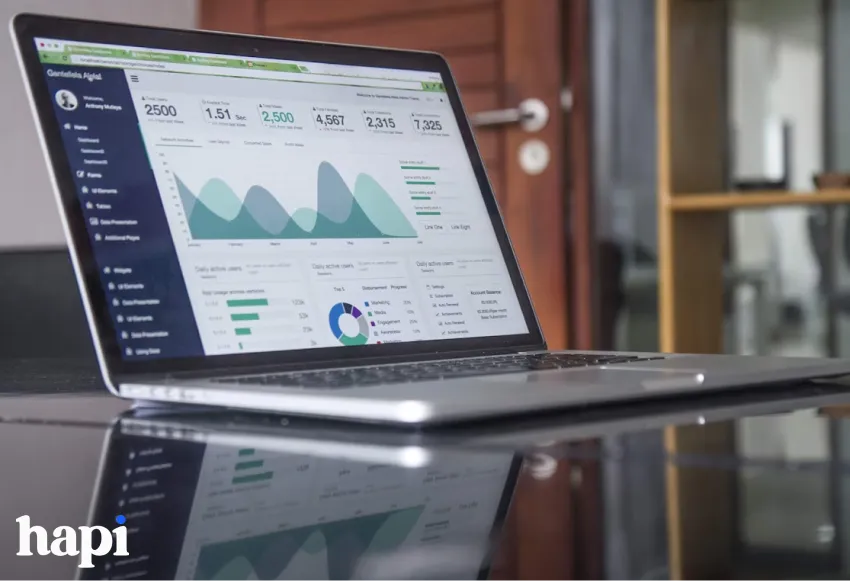
Web metrics include volume of traffic, time on site, bounce rate, and conversion rate.
Social media metrics track engagement rate, reach, and follower growth.
Email marketing tracks open rates, click-through rate, and unsubscribe rate.
Customer acquisition cost (CAC) and lifetime value (LTV) help determine if your marketing investment generates profitable returns.
Attribution and Analytics Setup
Today’s customers interact with businesses multiple times before finally buying something. Attribution models assist in monitoring which marketing touchpoints get the credit for sales and leads.
Proper tracking setup is crucial for accurate measurement. Your digital marketer must set up conversion tracking for all campaigns and channels.
Data-Driven Decision Making
Leverage performance data to optimize campaigns on an ongoing basis. A/B testing assists in determining which messages, offers, and creative elements best resonate with your audience.
Periodic reports allow you to immediately reassign the budget from under-performing campaigns to top-performing ones. This response improves campaign performance and return on investment.
Future Trends in Digital Marketing
Digital marketing is undergoing drastic transformations driven by regulation and technology. Artificial intelligence and machine learning drive the majority of the work, ranging from ad campaign optimization to content customization and prediction of customer behavior.
Meanwhile, video marketing continues to go wild on platforms like TikTok and YouTube, while voice search optimization and augmented reality open up new channels of customer engagement with brands.
Privacy concerns are redesigning approaches with the disappearance of third-party cookies, pushing marketers to first-party data and value-based, trust-focused approaches.
Future digital marketers will need to stay competitive by:
- Stronger analytical skills
- Programming & data science basics
- Customer experience
Success will depend on blending technical know-how with creativity and strategic thinking.
Conclusion
To work successfully with a digital marketer you need to set clear and countable goals like driving traffic by 20% or driving leads by 50%.
Like we said before, remember that SEO takes months to show results, while PPC is much faster; so set your timing goals according to the channel you are using. Keep a firm hold on your budget and communicate like your life depends on it (because it does in some way).
After all, remember a digital marketer isn’t a miracle worker so help them perform better for your business by listening to their concerns, sometimes weird ideas and providing their required tools and content.
Go pro and employ a digital marketer to grow your business.